7 Facts about Genocide in Sudan
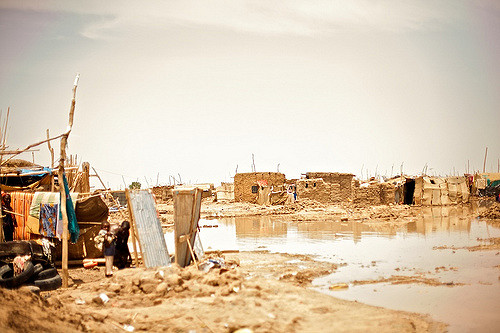
Genocide in Sudan has been continuous since post World War II and has become known as the first genocide of the 21st century. The first Sudanese Civil War began in 1955 and did not end until a peace treaty was created in 1972, lasting for 11 years before the second Sudanese Civil War began in 1983 and ended again in 2005. Within this span of time, numerous peace treaties have been drafted to cease violence across Sudan. However, the issue of genocide has continued to be a problem throughout the country. Here are some facts about genocide in Sudan:
7 Facts About Genocide in Sudan
- The genocide began with a civil war caused by The Khartoum government, led by General Omar al-Bashir, that wanted the group of Christians and animists who lived in southern Sudan to conform to an Islam-based government. The International Criminal Court put out a warrant for the arrest of Omar al-Bashir on March 4, 2010 for charges of genocide and acts against humanity. The Sudanese government retaliated by failing to give al-Bashir over and refused sources of aid from other countries.
- In 2005, and with international aid, the Comprehensive Peace Agreement ended the civil war by providing South Sudan with more political power.
- Seen as a step toward ending the violence, South Sudan was named a new country on July 9, 2005.
- A rebellion in the Darfur region of Sudan led to the genocide of civilians, causing the death of more than 300,000. Another of the facts about genocide in Sudan is that the Darfur Genocide began in 2003 with the mass murder and rape of people living in Western Sudan. These killings were carried out by a government-funded group called the Janjaweed. The group was called upon to stop a series of rebellions in Darfur. These attacks continued until 2010 when the Sudanese government had the Darfur rebels sign an agreement to cease fire and the two groups began drafting the Doha peace forum, which was a long-term peace agreement.
- Two factors that played a role in the conflicts are the competition over short-supplied resources and the north’s socio-economical takeover of the southern Sudanese, who as a majority are non-Muslim and non-Arab.
- Many of those who fled the genocide occurring in Sudan now live in one of 13 refugee camps in Chad. There are more than 360,000 people who reside in these camps.
- Violence has carried on into 2016. According to the U.N., more than 3 million remain affected by the ongoing genocide. Amnesty International asserted the government utilized chemical weapons against its citizens and 190,000 people were moved from Sudan.
Though civilians are still heavily impacted by the genocide occurring in Sudan, there are ways that the U.S. and the U.N. can help. Outside of stating facts about genocide in Sudan, the U.S. can request a thorough independent international investigation of the crimes committed on citizens throughout Southern Sudan with the International Criminal Court. The U.S. government can also request the U.N. Security Council accredit a force to maintain peace and provide resources necessary to protect the citizens in Sudan and the surrounding area.
– Alyssa Hannam
Photo: Flickr
