Top 10 Croatian War Facts
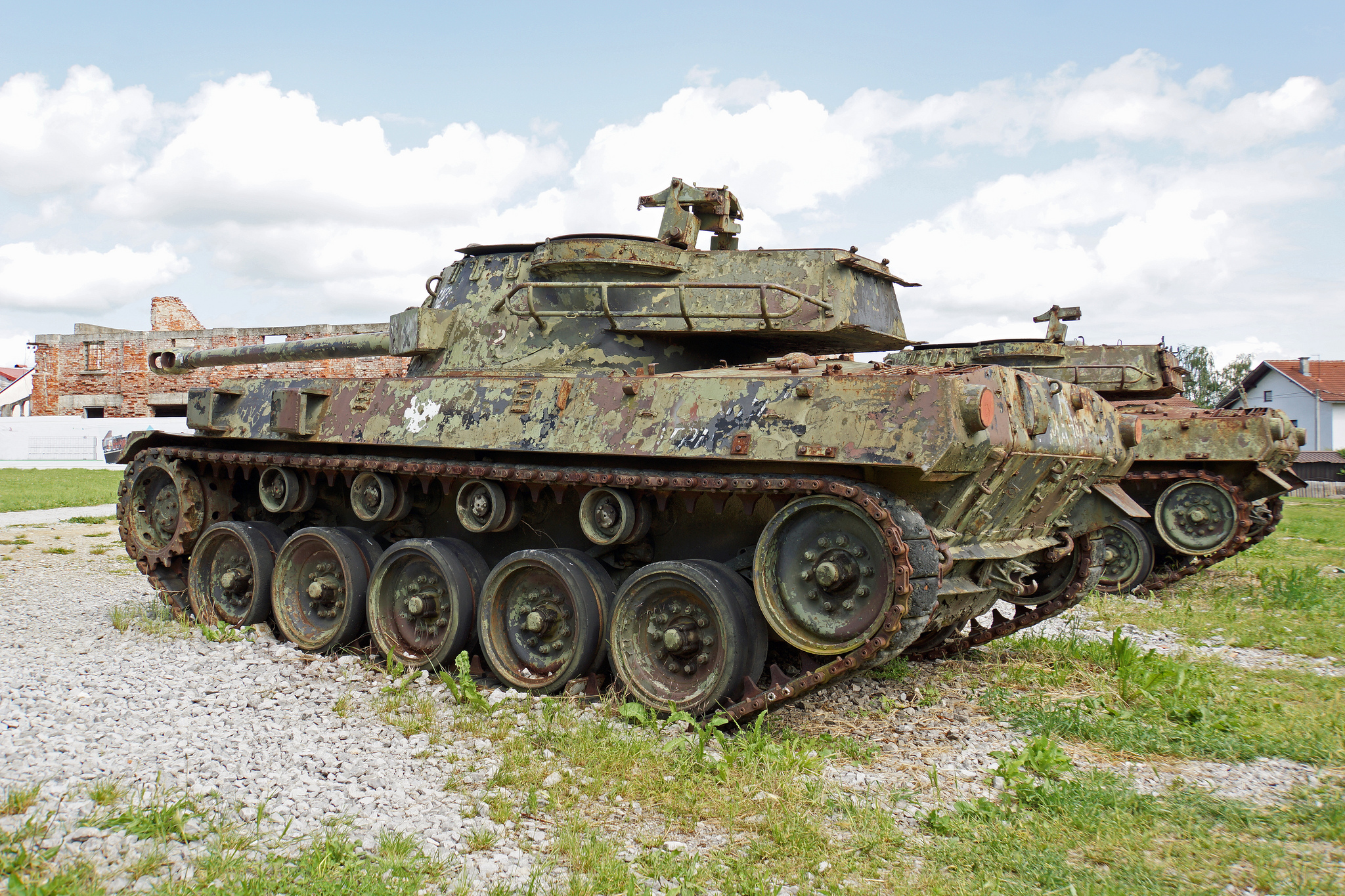
Although the Croatian War has been over for more than twenty years, the aftermath is still present within the region. Lack of economic and political stability are current problems that Croatia faces. Professor Daliborka Uljarevic, a leader in the Centre for Citizens’ Education, says “political rhetoric and lack of profound economic recovery keep people stuck in recent past, with poor view on better future.” Here are the top 10 Croatian war facts that provide a better understanding of what happened during the war and how Croatia remains affected.
Top 10 Croatian War Facts:
- The war started in response to an oppressive government. Nazi rule took over in 1941 and communism dominated Croatia for nearly 50 years. People started to revolt against the government in the movement known as the Croatian Spring of 1971 and Croatian nationalism began to foster.
- Croatia was a part of Yugoslavia when it was ruled by communism. Montenegro, Macedonia, Serbia, Slovenia, Bosnia and Herzegovina were all also under Yugoslavia rule.
- Croatia declared independence in 1991 against Yugoslavia rule and the war lasted from 1991-1995.
- The U.N. separated Croatia into four areas to disconnect the battling groups of Serbs and Croats. When Croatia later got involved in the Bosnia-Herzegovina conflict, Bosniak Muslims were also separated.
- The U.N. Refugee Agency’s (UNHCR) emergency relief in the Balkans was the largest of UNHCR’s operations. Costing more than one billion U.S. dollars, the U.N. provided close to a million tons of humanitarian supplies and food within 1991-1995 that ultimately saved many people from death.
- Despite the vast humanitarian assistance, more than 120,000 people died during the conflict. Muslim Bosniaks and Catholic Croats made up the majority of the people who died. Two million individuals out of the four million population sought refuge in the neighboring country of Bosnia-Herzegovina.
- The Battle of Vukovar was one of the bloodiest battles on Croatian soil and lasted 87 days. Of the Croats and non-Serbs, 7,000 were sent to concentration camps and approximately 22,000 fled the area for their lives.
- The war led to mass economic destruction. A quarter of the economy was destroyed, as there were $36 billion of war damages and 180,000 destroyed homes.
- The International Criminal Tribunal for the former Yugoslavia (ICTY) helps victims of the war have a voice and justice for their suffering. The ICTY still works on resolving war crimes and establishing punishments for those who are guilty. There are still people unaccounted for.
- The U.S. led Dayton Peace Accords established peace in the area, bringing an end to the war. The country is now separated into two areas, one where the Bosnian Serbs are dominant and another where the Bosnian Muslims and Croats are dominant. Tensions still run high amongst these groups.
These 10 Croatian war facts do not demonstrate the full monstrosity that ensued during 1991-1995. Victims are still suffering to this day and many families still have not found their missing loved ones.
– Mary McCarthy
Photo: Flickr
