Clean Water and Sanitation: Evaluating Sustainable Development Goals
The Sustainable Development Goals, better known as the SDGs, are the United Nations’ pride and joy. The SDGs are a continuation of the previous Millennium Development Goals (the MDGs), but are more inclusive in scope and size.
In 2015, the United Nations came up with “17 goals to transform our world.” The goals cover a lot of ground and aim to reduce poverty and hunger, address inequality, protect the environment and encourage peace among a variety of other things. The United Nations hopes to achieve its goals and this sustainable development agenda by the year 2030.
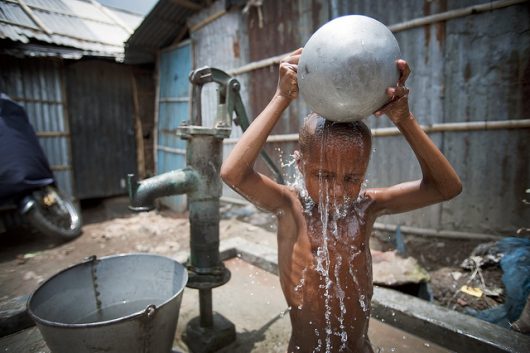
There is one goal in particular that proves essential to the success of nations with impoverished citizens — SDG #6, ensuring access to water and sanitation for all.
Clean Water and Sanitation
Ensuring access to clean water and sanitation for all is a lofty goal, but a great deal is being done to achieve it. Since the 1990s, strides have been made to improve the quality of drinking water around the world, but 663 million people are still without access.
Additionally, at least 1.8 billion people around the world use a source for drinking water that is in some way fecally contaminated, and 2.4 billion people do not have access to basic sanitation facilities. These numbers are extremely high and represent a larger portion of the population than those living in extreme poverty.
In the first set of U.N. goals — the MDGs — this goal was not included, thus making it difficult to target aid and progress made in ensuring clean water and sanitation. By including this goal in the SDGs, much more progress has been made since 2015, and creative ways to solve the problem are being developed and implemented around the world.
Very recently, on March 22nd, the United Nations launched the International Decade for Action: Water for Sustainable Development 2018-2028. This initiative calls for increased cooperation, partnership and capacity development to achieve all water-related SDGs by the set target year, 2030. This agenda focuses on the importance of water-related goals and will further their progress and solution implementation.
WASH
WASH United is an organization dedicated to solving issues of water and sanitation. The acronym WASH stands for Water, Sanitation and Good Hygiene. The organization and its partners works with primarily children in Sub-Saharan Africa and South Asia to promote proper WASH behaviors.
The organization also focuses heavily on educating girls about proper menstrual hygiene. The organization initiated menstrual hygiene day, which now takes place every 28th of May.
WASH focuses on changing personal attitudes and behaviors related to sanitation for the people it serves. The organization puts an emphasis on working with people and their passions so as to best connect with its advisees emotionally and pass on their message. WASH also does a lot of advocacy work and has helped facilitate national policy changes related to sanitation.
WASH works in tandem with SDG #6, and hopes to achieve clean water and sanitation for all by the year 2030. With WASH and other organizations dedicated to achieving the goal, success seems to be imminent.
– Sonja Flancher
Photo: Flickr
