Addressing the Causes of Hunger in The Gambia
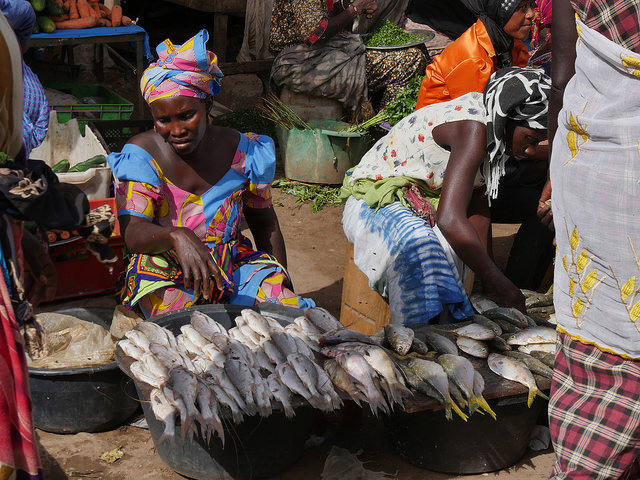 The Republic of The Gambia, situated on the North Atlantic Coast of West Africa, is the smallest country on the African continent, with a population of approximately 2.8 million people. It is categorized as a low-income, food-deficit nation, with an estimated poverty rate of around 53% and 27% of its population experiencing food insecurity.
Causes of Hunger
- Climate-related causes— Climate-related events have impacted The Gambia over the past four decades. This has included prolonged periods of drought, followed by heavy rainfall leading to flooding and erosion. Consequently, there has been a significant decrease in crop production, with local crops meeting less than half of the food demand. This has resulted in unemployment among farmers and increased food insecurity in the country.
- Inflation—The population of The Gambia relies extensively on imported products to meet its requirements. The compounding impacts of COVID-19 and the Russia-Ukraine conflict have led to a 12.7% increase in food prices, exacerbating the country’s already precarious food security situation.
- Unemployment—The global economic crisis has significantly increased the unemployment rate in The Gambia over the past five years, rising from about 4% in 2018 to 7% in 2023. This surge in unemployment has driven people into poverty, reducing their purchasing power and worsening the problem of hunger.
World Food Programme
The World Food Programme (WFP) has launched two programs in partnership with the Government of The Gambia to address the causes of hunger and food insecurity in the country and offer sustainable solutions.
- Gambia Agriculture and Food Security Project – In partnership with the Ministry of Agriculture, this program focuses on local farmers. Its goal is to connect farmers with schools to promote “homegrown school feeding.” This initiative aims to increase crop production and the income of farmers and others involved in agriculture. It also aims to improve the nutritional status of children and reduce the current rate of stunting in children under 5, which is currently at 17.5%.
- Rural Integrated Climate Adaptation and Resilience Project Gambia – The initiative is currently being implemented in the Upper River and Central River regions, two of the worst-hit areas, to assist approximately 168,000 vulnerable individuals. The project’s primary objectives include raising awareness of climate-related challenges by providing knowledge to local farmers, implementing proactive measures against potential climate disasters and enhancing the community’s resilience to withstand and recover from such events. The WFP and its partners aim to provide financial services to promote self-reliance in the community and increase investments in climate-resistant agriculture.
Final Thoughts
In conclusion, it is crucial to address the root causes of hunger in The Gambia for the well-being of its population. The country can significantly reduce food insecurity by addressing climate-related challenges, mitigating the impact of inflation, and tackling unemployment. Initiatives led by organizations such as the WFP demonstrate the potential for positive change through targeted interventions. With continued support from the international community and collaborative efforts, there is hope for a future where hunger is less prevalent and communities in The Gambia can thrive.
– Maria Waleed
Photo: Flickr
