Connection to the Internet and Fighting Poverty
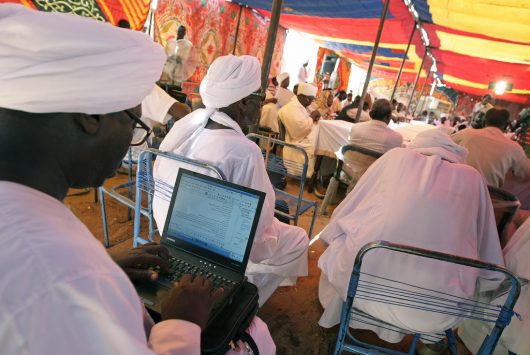 Internet access has become progressively more important for collecting information, looking for jobs and participating in a changing world economy. The internet is the perfect tool for communicating with people all over the world and staying on top of news, but the internet can also be a great tool for eradicating poverty.
How is the internet helpful?
The internet is an effective way to raise awareness. The first step is letting people know what’s going on. Many organizations, like The Borgen Project, use the internet to promote their cause. With their websites, they are able to spread awareness of the extreme poverty conditions that many countries are under. These websites also have videos, pictures and ways poverty can be eradicated. With access to the internet, anyone across the world can view the site, receive the information and there’s a big chance that many people will receive the message.
According to the Pew Research, in 2016, 88 percent of adults in the United States alone used the internet. Therefore, raising awareness of a problem like poverty can be done in a fast and effective way.
In addition, the internet can be useful for recruiting people to help end poverty. The internet is used worldwide. Therefore, bringing people together from all over the world can be easily done through social media. If each country has a handful of people helping, it increases the chances of ending global poverty.
How can the internet help people in poverty?
Having a connection to the internet can make a difference in the lives of people who are living in poverty. It can empower them to make their own decisions. Connectivity can also lead to access to healthy food, a home and freedom of speech. With a connection to the internet, information is available to help people stay safe, educated and communicated. According to ONE, “internet connectivity could generate $2.2 trillion of economic growth and create new jobs… could lift 160 million people out of extreme poverty.”
Digital GAP Act
Despite having such a useful tool like the internet, many still remain offline. About four billion people don’t have a connection to the internet; most of these people are in developing countries. For this reason, the Digital GAP Act was put in place to promote internet access in developing countries, to prompt economic growth, create jobs and reduce poverty. The Digital GAP act was passed in the House of Representatives on Jan. 24, 2017. This legislation wants to accomplish the following:
- Give financial support to developing countries by international organizations, including through grants, loans, and technical assistance, to expand information and communications access and internet connectivity.
- Give internet access to at least 1.5 billion people in developing countries by 2020 in both urban and rural areas.
- Promote internet deployment and related coordination, capacity building and build once policies in developing countries.
- Remove tax and regulatory barriers to Internet access.

Overall, the connection to the internet can be useful for people living in poverty. It can help them in many different ways: it can give them resources, stability, freedom and connectivity. It can also help with alleviating poverty, by creating jobs for everyone.
– Solansh Moya
Photo: Flickr
