Water Quality in Vietnam
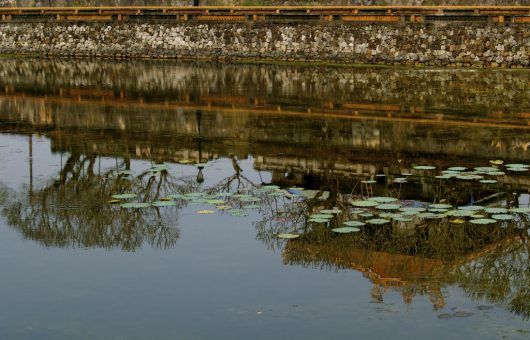
Vietnam’s 3,260 km coastline and extensive river networks have given the country an economic and industrial advantage. However, the exploitation and resulting pollution of the rivers has severely limited people’s access to clean drinking water. Despite efforts taken to improve water quality in Vietnam and limit the unmindful disposal of factory waste, polluted water still causes up to 80 percent of illnesses nationwide.
Vietnam has one of the highest child malnutrition rates in Southeast Asia, and as many as 44 percent of Vietnamese children fall ill with whipworms, hookworms or roundworms. Other common water-borne illnesses in Vietnam include Hepatitis A, Hepatitis E and Typhoid Fever, all of which are most commonly spread by fecal contamination of drinking water.
The pollution most profoundly impacts those living in central and southern Vietnam, where the majority of waterways are used for farming and power. Although water quality in Vietnam‘s upstream rivers such as the Red River remains acceptable, those living downstream or in urban areas are at greater risk of contracting water-borne illnesses.
According to the National Center for Water Resources Planning and Investigation, water samples from Binh Chanh, Cu Chi and District 12 contain unsafe levels of ammonia and manganese. Arsenic contamination in water has also been a threat to the entire nation.
Untreated industrial waste is the primary cause of poor water quality in Vietnam, as fifty industrial zones discharge 105 million liters of largely untreated wastewater into the Saigon every day. International water resource organizations recommend limiting river flow exploitation to 30 percent, but, according to a report in the Voice of Vietnam online journal, the Ninh Thuan province exploits as much as 80 percent. This has degraded the basins in the Red River, the Thai Binh River and the Dong Nai River.
Hydropower plants have been built on all 13 big river networks, as well as on small rivers. The power plants have cut the river networks into artificial water reservoirs and have upset the river’s water storage. This not only devastates the forests and water life, but it makes people living downstream from these areas particularly vulnerable to pollution from farming pesticides, fertilizer, factory runoff, fish farms and wastewater.
Vietnam is developing its hydropower infrastructure to keep up with its increasing demand for energy. While the existing administrative and legal framework for pollution control is substantial, the problem, according to Nguyen Thi Kim Oanh, a professor at the Asian Institute of Technology in Thailand, is law enforcement. “We need to have strong punishments,” Oanh says, especially with larger power plants. He also says that people need to be aware of the issue so that they do not contribute to the pollution themselves.
Some of the greatest problems regarding pollution control are low fines, vague criteria for identifying polluters, low monitoring capacity, little willingness to enforce regulations and inadequate funding. Legislation passed in the last decade, however, has made provisions for harsher sanctions against polluters, such as the 2005 revised Law on Environmental Protection.
Funding for pollution control has also increased over the last ten years on both the national and provincial levels. For example, the HCMC Waste Recycling Fund targets waste management firms, while the Vietnam Environmental Protection Fund targets pollution control in urban areas, craft villages and hospitals.
Flexible funding, effective audits and knowledge as to who polluters are should reduce the waste going into Vietnamese rivers. The benefits of these changes will protect future generations from serious illnesses, and ultimately prepare the country for more sustainable economic development.
– Liliana Rehorn
Photo: Flickr
