• Link to X
  • Link to Facebook
  • Link to Instagram
  • Link to TikTok
  • Link to Youtube
  • About
    • About Us
      • President
      • Board of Directors
      • Board of Advisors
      • Financials
      • Our Methodology
      • Success Tracker
      • Contact
  • Act Now
    • 30 Ways to Help
      • Email Congress
      • Call Congress
      • Volunteer
      • Courses & Certificates
      • Be a Donor
    • Internships
      • In-Office Internships
      • Remote Internships
    • Legislation
      • Politics 101
  • The Blog
  • The Podcast
  • Magazine
  • Donate
  • Click to open the search input field Click to open the search input field Search
  • Menu Menu
Blog - Latest News
Global Poverty

Brazilian Education Reform Model Announced by Government
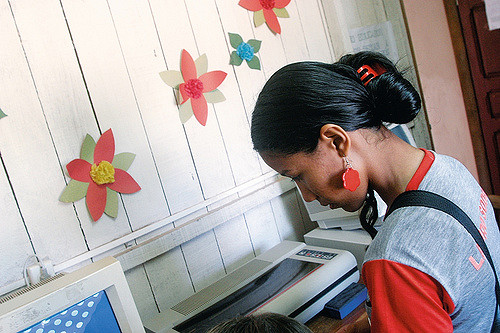
Brazilian Education Reform
Brazil had a series of tumultuous months with the impeachment of former President Dilma Rousseff and the installment of current President Michel Temer. Brazilian education reform is one of the main issues from the previous administration that Temer and his government want to change.

Ambitiously, on Sept. 23, Temer proceeded to restructure the educational model for Brazilian public schooling. Currently, the high school dropout rate in Brazil is at 11.9 percent, and the new president hopes that a new approach will reduce that number.

The new plan is becoming a controversial issue in Brazil due to its radical change in curriculum. The Ministry of Education published the proposed changes in the high school curriculum without adjustments to the Official Diary of the Union.

The proposed plan states that the mandatory classes are designed to include Portuguese, English and mathematics. The new education initiative vaguely mentioned the natural sciences, leaving it unclear if they will be required courses as well.

Article 26, paragraph 2 and 3 state that art education will be compulsory and part of the curriculum for both early childhood and primary education. However, it is unclear whether art study will be a high school requirement.

In addition to the arts, the discussion of removing physical education from the curriculum is also a possibility.

Depending on a student’s interests, classes focused on foreign languages, natural sciences, humanities and vocational studies will be offered as options. The reasoning behind the change in programs is to engage students in becoming more proficient in one area of study that calls their attention.

It is hopeful that recent Brazilian education reform will yield positive results despite the skepticism it has received. The influence of this ambitious program will be understood as more development details are released.

– Mariana Camacho Lopez

Photo: Flickr

November 3, 2016
Share this entry
  • Share on Facebook
  • Share on X
  • Share on WhatsApp
  • Share on Pinterest
  • Share on LinkedIn
  • Share on Tumblr
  • Share on Vk
  • Share on Reddit
  • Share by Mail
https://borgenproject.org/wp-content/uploads/borgen-project-logo.svg 0 0 Borgen Project https://borgenproject.org/wp-content/uploads/borgen-project-logo.svg Borgen Project2016-11-03 01:30:172020-05-22 18:39:49Brazilian Education Reform Model Announced by Government

Get Smarter

  • Global Poverty 101
  • Global Poverty… The Good News
  • Global Poverty & U.S. Jobs
  • Global Poverty and National Security
  • Innovative Solutions to Poverty
  • Global Poverty & Aid FAQ’s
Search Search

Take Action

  • Call Congress
  • Email Congress
  • Donate
  • 30 Ways to Help
  • Volunteer Ops
  • Internships
  • Courses & Certificates
  • The Podcast
Borgen Project

“The Borgen Project is an incredible nonprofit organization that is addressing poverty and hunger and working towards ending them.”

-The Huffington Post

Inside The Borgen Project

  • Contact
  • About
  • Financials
  • President
  • Board of Directors
  • Board of Advisors

International Links

  • UK Email Parliament
  • UK Donate
  • Canada Email Parliament

Get Smarter

  • Global Poverty 101
  • Global Poverty… The Good News
  • Global Poverty & U.S. Jobs
  • Global Poverty and National Security
  • Innovative Solutions to Poverty
  • Global Poverty & Aid FAQ’s

Ways to Help

  • Call Congress
  • Email Congress
  • Donate
  • 30 Ways to Help
  • Volunteer Ops
  • Internships
  • Courses & Certificates
  • The Podcast
Link to: The Mutually Beneficial Relationship Between Japan and Kenya Link to: The Mutually Beneficial Relationship Between Japan and Kenya The Mutually Beneficial Relationship Between Japan and Kenya Link to: Five Reasons for the Link Between Poverty and Mental Health Link to: Five Reasons for the Link Between Poverty and Mental Health Five Reasons for the Link Between Poverty and Mental Health
Scroll to top Scroll to top Scroll to top