• Link to X
  • Link to Facebook
  • Link to Instagram
  • Link to TikTok
  • Link to Youtube
  • About
    • About Us
      • President
      • Board of Directors
      • Board of Advisors
      • Financials
      • Our Methodology
      • Success Tracker
      • Contact
  • Act Now
    • 30 Ways to Help
      • Email Congress
      • Call Congress
      • Volunteer
      • Courses & Certificates
      • Be a Donor
    • Internships
      • In-Office Internships
      • Remote Internships
    • Legislation
      • Politics 101
  • The Blog
  • The Podcast
  • Magazine
  • Donate
  • Click to open the search input field Click to open the search input field Search
  • Menu Menu
Blog - Latest News
Global Poverty

Seaweed Farming Aids Food Security in South America
Seaweed Farming Aids Food Security in South America
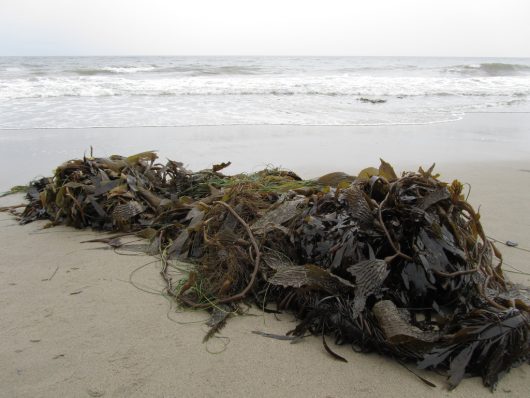
Seaweed is a nutrient-rich food source that has always been part of many South American indigenous groups’ diets, especially in the Chilean area.

The aquatic plant is currently seeing a revival in the diets of the area. The Inter Press Service (IPS) reports that the wild supply is being harvested from the ocean at a high rate. As a solution, seaweed farming is becoming a new industry. There are over 700 known varieties of seaweed in Chile but only 20 are currently used commercially.

A report by the Food and Agriculture Organization (FAO) of the U.N. states that 25 million tons of algae and seaweed are harvested around the world each year. These seaweeds are used as food, cosmetics and fertilizers. Seaweeds are also used as thickeners and animal food ingredients.

Aquaculture could go a long way in helping to improve hunger in Latin America and the Caribbean. Although the region managed to reduce its proportion of undernourished by 60% between 1990 and 2014, FAO reports that hunger still affects 37 million people or 6.1% of the population.

Aquaculture, which includes fish and seaweed farming, provides direct employment to more than 200,000 people and indirect employment to another 500,000 in the area of Latin America and the Caribbean. Brazil, Chile, Ecuador and Mexico account for more than 80 percent of the regional aquaculture production, but most of the countries in the area practice some form of aquaculture farming.

FAO reports that marine aquaculture products contribute to food security and the alleviation of poverty. Most workers are employed in small- or medium-sized fisheries and family businesses.

Chile’s seaweed industry alone employs 30,000. Seaweed provides food and food security to rural areas where the poverty rate stands at 47% poverty according to a TakePart article. The most grown, harvested and cooked species of seaweed in the country is cochayuyo. It is high in protein and is often found being used in place of meat in traditional dishes.

TakePart reports that not only is seaweed helping to make the poverty-stricken less hungry; the plant is making its way into the kitchens of fancy restaurants. In particular, vegans are regular consumers of kelp. Chile is a leader of environmentally friendly cultivation of seaweed in the local area; they offer incentives to farmers to replant. This will hopefully further help the poor out of poverty.

Many women are active in seaweed farming and as TakePart points out: “Across the globe, when women gain economic independence, childhood malnutrition goes down, and education goes up.”

– Rhonda Marrone

Photo: Flickr

November 1, 2016
Share this entry
  • Share on Facebook
  • Share on X
  • Share on WhatsApp
  • Share on Pinterest
  • Share on LinkedIn
  • Share on Tumblr
  • Share on Vk
  • Share on Reddit
  • Share by Mail
https://borgenproject.org/wp-content/uploads/borgen-project-logo.svg 0 0 Borgen Project https://borgenproject.org/wp-content/uploads/borgen-project-logo.svg Borgen Project2016-11-01 01:30:392024-06-07 05:07:38Seaweed Farming Aids Food Security in South America

Get Smarter

  • Global Poverty 101
  • Global Poverty… The Good News
  • Global Poverty & U.S. Jobs
  • Global Poverty and National Security
  • Innovative Solutions to Poverty
  • Global Poverty & Aid FAQ’s
Search Search

Take Action

  • Call Congress
  • Email Congress
  • Donate
  • 30 Ways to Help
  • Volunteer Ops
  • Internships
  • Courses & Certificates
  • The Podcast
Borgen Project

“The Borgen Project is an incredible nonprofit organization that is addressing poverty and hunger and working towards ending them.”

-The Huffington Post

Inside The Borgen Project

  • Contact
  • About
  • Financials
  • President
  • Board of Directors
  • Board of Advisors

International Links

  • UK Email Parliament
  • UK Donate
  • Canada Email Parliament

Get Smarter

  • Global Poverty 101
  • Global Poverty… The Good News
  • Global Poverty & U.S. Jobs
  • Global Poverty and National Security
  • Innovative Solutions to Poverty
  • Global Poverty & Aid FAQ’s

Ways to Help

  • Call Congress
  • Email Congress
  • Donate
  • 30 Ways to Help
  • Volunteer Ops
  • Internships
  • Courses & Certificates
  • The Podcast
Link to: Architects for Society: Sustainable Housing for Refugees Link to: Architects for Society: Sustainable Housing for Refugees Architects for Society: Sustainable Housing for Refugees Link to: Water Quality in Jamaica Link to: Water Quality in Jamaica Water Quality in Jamaica
Scroll to top Scroll to top Scroll to top