Five Important Facts About Stunting from Malnutrition
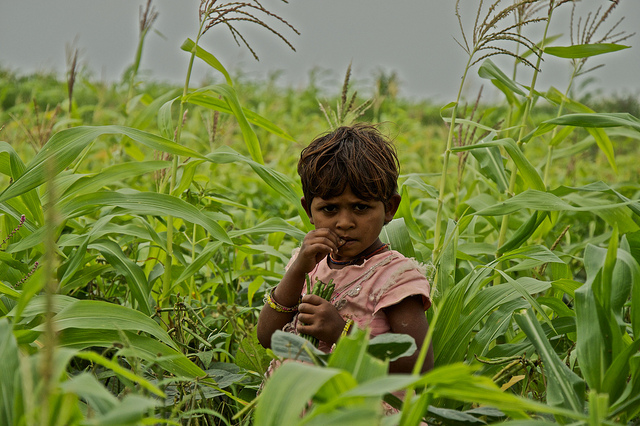 The first of the United Nations Sustainable Development Goals is to end global poverty. The second is to end world hunger. Fighting the undernourishment of mothers and children is a huge component to ending world hunger.
According to the U.N., one in nine people or 795 million people are undernourished. Poor nutrition causes 45 percent of deaths in children under five.
One of the key indicators of child malnutrition is stunting, a condition in which children are much shorter for their age than they should be.
The following are five important facts about stunting:
1. One in four of the world’s children suffer stunted growth.
According to the U.N. World Food Programme, in developing countries the proportion can rise to as high as one in three. The World Health Organization indicates that stunting affects approximately 162 million children globally. The World Health Assembly, the decision making body of the WHO, drafted the resolution to reduce stunting in children under the age of five by 40 percent.
2. Stunting is caused by poor maternal health and nutrition.
The first 1,000 days from a mother’s pregnancy to a child’s second birthday are vitally important to a child’s overall health and development. It is during this period that good nutrition sets up a child for a healthy life.
Stunting in 20 percent of children occurs in the womb from women that are malnourished themselves. The WHO lists several maternal contributors to stunting that include short stature, short birth spacing, and adolescent pregnancy, breastfeeding complications, and severe infectious diseases.
3. Stunting has lasting effects for the child.
1000 Days is an organization that brings attention to the importance of nutrition in early child development. They note that the effects of stunting last a lifetime. Some include impaired brain development, lower IQ, weakened immune system and greater risk of serious diseases like diabetes and cancer later in life. The problem becomes a vicious cycle in which girls that suffer from malnourishment grow up to be mothers that give birth to malnourished babies.
4. Stunting is a huge strain on economic growth and prosperity.
Good nutrition is a staple of any good economy. The World Bank finds that the investment in nutrition improving programs far outweigh their costs. Ignoring the nutritional development of a country’s human capital will lead to direct losses in productivity, from poor physical status and indirect losses, poor cognitive development and losses in schooling. In fact, economists find that stunting can result in a three percent drop in overall GDP.
Research shows a strong relationship between the height of a labor force and productivity. A 2005 paper in the Asia Pacific Journal of Clinical Nutrition found that reduced adult height for childhood stunting is associated with a 1.4 percent loss in productivity for each one percent loss in adult height.
5. Stunting is irreversible but also preventable.
Once stunting occurs, it cannot be reversed. However, if adequate conditions exist for mothers during pregnancy to access proper nutrition, stunting can be prevented. Significant progress in reducing the number of stunted children has already been seen.
Progress has been seen in many countries like Brazil, Bolivia, Peru, and India. These countries have launched specific programs to tackle the effects of malnutrition such as the Rajmata Jijau Mother–Child Health and Nutrition Mission in India and CRECER – the National Strategy against Child Malnutrition in Peru.
– Michael A. Clark
Sources: 1000 Days, NHRI, U.N., UNICEF, World Bank, World Food Programme, World Health Organization
Photo: Flickr
