• Link to X
  • Link to Facebook
  • Link to Instagram
  • Link to TikTok
  • Link to Youtube
  • About
    • About Us
      • President
      • Board of Directors
      • Board of Advisors
      • Financials
      • Our Methodology
      • Success Tracker
      • Contact
  • Act Now
    • 30 Ways to Help
      • Email Congress
      • Call Congress
      • Volunteer
      • Courses & Certificates
      • Be a Donor
    • Internships
      • In-Office Internships
      • Remote Internships
    • Legislation
      • Politics 101
  • The Blog
  • The Podcast
  • Magazine
  • Donate
  • Click to open the search input field Click to open the search input field Search
  • Menu Menu
Blog - Latest News
Education, Global Poverty

South Korean Villages Fight to Keep Primary Schools Open
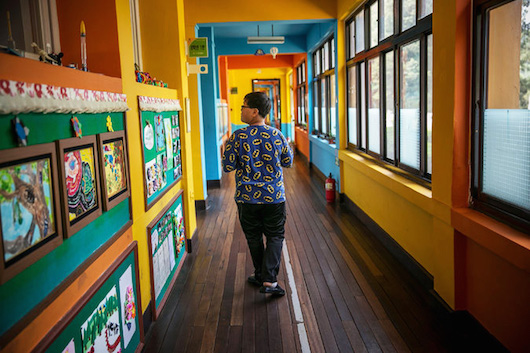
south korean villages
While rural schools in South Korean villages are facing closings, communities are trying to find solutions to keep them open. Next spring, local school Nogok Primary will close after its only enrolled student graduates, 12-year-old Chung Jeong-su. For the one student enrolled, it costs more than $87,000 per year to keep the school running.

In South Korea, 93 percent of students graduate from high school on time compared to 81 percent in the United States, an average considered among the best in the world.

“Villages around here have no more children to send,” the school’s only teacher, Lee Sung-kyun said. “Young people have all gone to cities to find work and get married there.” Located 110 miles east of South Korean’s capital, Nogok is a typical farmland town where farmers tend to potatoes, beans, and red peppers.

In the aftermath of the Korean War, farmers found premier education as a ticket to freedom for their children to escape poverty. By sending their children to Nogok Primary, students graduated and earned wages that were significantly higher than their parents.

Along with other Nogok Primary youth, recent high school graduates began moving to big cities where they could pursue university or receive higher-paying jobs. This demographic shift hit rural towns, including the Nogok community.

In 1960, the population of Nogok was 5,387. In 2010, the town reported a population of 615. That year, only 17 were primary school age. Since 1982, nearly 3,600 schools have closed across South Korea due to lack of enrollment.

“It’s a sorry sight,” said Mr. Baek, a graduate of Nogok Primary. “When I was a student here, 300 children were crawling all over there, giving weeds no time to grow.”

While the country has an excellent education system, rural South Korean villages are suffering, creating a larger gap between the rich and the poor. With the 13th largest economy in the world, South Korea’s rural towns have taken initiative, starting campaigns to save their schools. Some solutions include hiring buses to transport children from neighboring towns and providing free housing for families moving to the rural towns with school-age students.

Continued efforts give villages hope they can bring another generation of students back to the once prospering population.

– Alexandra Korman

Sources: ABC News, The New York Times, U.S. Department of Education
Photo: Google Images

December 16, 2015
Share this entry
  • Share on Facebook
  • Share on X
  • Share on WhatsApp
  • Share on Pinterest
  • Share on LinkedIn
  • Share on Tumblr
  • Share on Vk
  • Share on Reddit
  • Share by Mail
https://borgenproject.org/wp-content/uploads/borgen-project-logo.svg 0 0 Borgen Project https://borgenproject.org/wp-content/uploads/borgen-project-logo.svg Borgen Project2015-12-16 01:30:342024-12-13 18:05:31South Korean Villages Fight to Keep Primary Schools Open

Get Smarter

  • Global Poverty 101
  • Global Poverty… The Good News
  • Global Poverty & U.S. Jobs
  • Global Poverty and National Security
  • Innovative Solutions to Poverty
  • Global Poverty & Aid FAQ’s
Search Search

Take Action

  • Call Congress
  • Email Congress
  • Donate
  • 30 Ways to Help
  • Volunteer Ops
  • Internships
  • Courses & Certificates
  • The Podcast
Borgen Project

“The Borgen Project is an incredible nonprofit organization that is addressing poverty and hunger and working towards ending them.”

-The Huffington Post

Inside The Borgen Project

  • Contact
  • About
  • Financials
  • President
  • Board of Directors
  • Board of Advisors

International Links

  • UK Email Parliament
  • UK Donate
  • Canada Email Parliament

Get Smarter

  • Global Poverty 101
  • Global Poverty… The Good News
  • Global Poverty & U.S. Jobs
  • Global Poverty and National Security
  • Innovative Solutions to Poverty
  • Global Poverty & Aid FAQ’s

Ways to Help

  • Call Congress
  • Email Congress
  • Donate
  • 30 Ways to Help
  • Volunteer Ops
  • Internships
  • Courses & Certificates
  • The Podcast
Link to: Waiting for Health Project Highlights Global Health Crisis Link to: Waiting for Health Project Highlights Global Health Crisis Waiting for Health Project Highlights Global Health Crisis Link to: PPPs Fight African Youth Unemployment Link to: PPPs Fight African Youth Unemployment PPPs Fight African Youth Unemployment
Scroll to top Scroll to top Scroll to top