Why is Transparency in Foreign Aid Important?
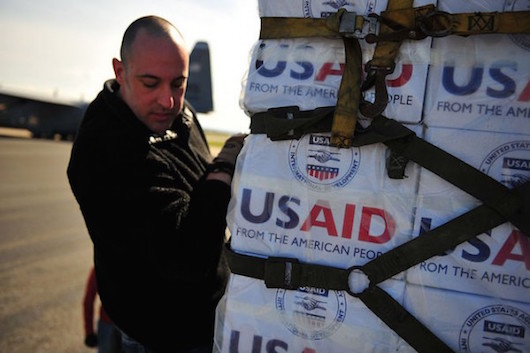 Government transparency is one of the key elements to maintaining a free society. According to Ballotpedia, “openness, accountability and honesty define government transparency. In a free society, transparency is defined as a government’s obligation to share information with citizens. It is at the heart of how citizens hold their public officials accountable.”
When a free society is established, the government needs to be held accountable and inform the people of how taxpayers’ money is spent and where. This occurs through transparency.
At the end of October, many organizations and individuals applauded the reintroduction of Bill H.R. 3766, or the Foreign Aid Transparency and Accountability Act of 2015.
“By strengthening its commitment to monitoring and evaluation and transparency, the U.S. government can better allocate aid resources and be held accountable by a range of stakeholders,” according to Modernize Aid. This means that those with influence are able to put the money where it is most needed and most effective.
Former attempts to pass the bill were largely successful and moved quickly through the Senate and the House. However, the Senate stopped progress in both instances.
Modernizing Foreign Assistance Network and the Professional Services Council (PSC) are two of many organizations that are enthusiastic about the bill.
PSC’s CEO, Stan Soloway, has stated that “Congress should increase aid transparency and accountability and provide USAID and other agencies with the necessary acquisition and other resources to effectively plan, award and oversee development implementation by international development companies.”
As United States citizens, there are certain responsibilities to the government. The National Center for Constitutional Studies notes that “the success of the American Republic as a political structure has been the consequence…of the voluntary participation of citizens in public affairs – enlisting in the army in time of war; taking part unpaid in political campaigns; petitioning legislatures; and in a hundred other great ways, or small-assuming responsibility for the common good.”
The key goal in foreign aid transparency is the petitioning for legislation. This process is the people’s opportunity to let government officials know what is most important to them. It also gives the leaders an idea of what bills to pass.
Transparency in Foreign Aid allows a country to see exactly where tax money is going. It is a bill that holds promise for a more accountable government.
OXFAM America has expressed its desire for the legislation to be passed. “Now’s the time for effective aid supporters from both sides of the aisle in Congress to rally behind the House and Senate sponsors and push this bill over the finish line. It’s fun to cheer positive action in Congress! Let’s make sure we have the opportunity to do more of it.”
In order to do this, constituents are able to write, email or call their government leader’s offices. Each time a citizen does this, a tally is made on the issue the individual expresses interest in.
These tallies add up each week and are then considered when it comes time for voting on various bills and legislation. The more tallies from people, the more likely the piece of legislation has for success.
– Katherine Martin
Sources: Ballotpedia, Modernize Aid, Professional Services Council, NCCS, Politics of Poverty
Photo: Google Images
