Breastfeeding Practices in Rural India
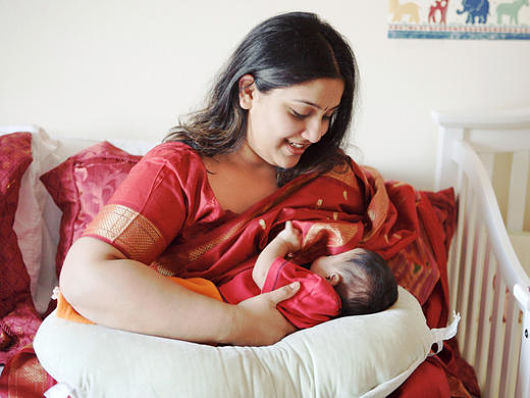
It has been proven that the first 6 months of a child’s life are amongst the most crucial for establishing their longstanding health immunities and development of antibodies. However, in the rural areas of northern India, UNICEF estimates that only 46 percent of infants are exclusively breastfed during this time. Furthermore, it is believed that approximately 2 million Indian children die each year before the age of 5.
A 2009 study was conducted at the Pravara Rural Hospital in Loni, Uttar Pradesh. Three hundred mothers of children between ages 0 and 5 were surveyed regarding socio-demographics, religious affiliations and breastfeeding practices. In like manner, the children themselves were clinically examined to determine the severity, if any, of their malnutrition.
These data sets were examined, compared and analyzed to determine any patterns or similarities. Male and female children surveyed were split approximately 60 percent to 40 percent, respectively, but there were no indications implying the biological sex was a factor in nourishment.
The data did not reveal a correlation regarding religion, which would imply that the various faith teachings did not object to breastfeeding. It was found that socio-economic and educational status were the primary indicators of malnourishment. Ninety-seven percent of the mothers surveyed were under the age of 30. Additionally, of the 300 mothers, 147 had completed high school or less and had malnourished children.
While the sample size is very small, it is certainly representative of rural breastfeeding habits and conditions during the first few months. Children of young, uneducated mothers in rural areas appear to be at most risk. Initially, this would indicate a lack of understanding regarding the benefits of breastfeeding. Although there appeared to be a common understanding of necessary benefits, the prevalence of this knowledge does not correlate to perfect practice in reality.
Responses revealed an absence of any scheduled patterns for breastfeeding other than as a means to stop the child’s crying. The lack of an organized routine and the late start for breastfeeding practices are central contributors to malnutrition in rural India.
In rural communities, there is also a belief that colostrum, the nutrient milk produced directly after delivery, is unhealthy for children. In many communities, goat’s milk is traditionally provided as a substitute. For these reasons, 80 percent of the mothers surveyed began periodically breastfeeding their children between 4 and 8 months old.
In an effort to encourage earlier, more consistent breastfeeding habits, UNICEF has partnered with local organizations in the northern states to provide home visits to encourage earlier breastfeeding and to dispel any false notions. Durowpadi Bedia, a health worker in the Northern state of Assam says, “Whenever we go on home visits, we talk to all members of the family – the parents, the grandparents, adolescent girls…They have faith in what I am saying.”
“When they come and talk in our own language, I understand better. I feel comfortable with them,” said Monika Bedi, a young mother. Home visits are scheduled with expectant mothers 3 to 4 times per month in the third trimester of their pregnancy. Jeroo Master, UNICEF’s Chief of Field Officer in Assam states, “Now mothers understand how vital breast milk is to the health of their babies…having health and nutrition workers actively promoting breastfeeding at the village level will ensure each child has the best start possible in life.”
Dr. Victor Aguayo, UNICEF India’s Chief of Child Nutrition and Development states, “Unquestionable global evidence demonstrates that breastfeeding counseling and support is the most important child-survival intervention.”
– The Borgen Project
Sources: Research Gate, UNICEF, NIC
Photo: Baby Center
