• Link to X
  • Link to Facebook
  • Link to Instagram
  • Link to TikTok
  • Link to Youtube
  • About
    • About Us
      • President
      • Board of Directors
      • Board of Advisors
      • Financials
      • Our Methodology
      • Success Tracker
      • Contact
  • Act Now
    • 30 Ways to Help
      • Email Congress
      • Call Congress
      • Volunteer
      • Courses & Certificates
      • Be a Donor
    • Internships
      • In-Office Internships
      • Remote Internships
    • Legislation
      • Politics 101
  • The Blog
  • The Podcast
  • Magazine
  • Donate
  • Click to open the search input field Click to open the search input field Search
  • Menu Menu
Blog - Latest News
Global Poverty

Millions of Iraqis Don’t Have Health Care Access
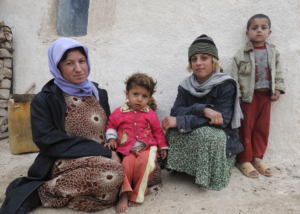

The conflict between the government of Iraq and ISIL resulted in millions of Iraqis without health care access. The ongoing conflict has created widespread insecurity in the region, and this insecurity keeps people away from an area which in turn keeps funding very low.

Humanitarian organizations, including the World Health Organization (WHO), have only received $5.1 million out of the $61 million they need from the international community to provide health care services. As a result, 84 percent of frontline programs have been stopped. This has left 3 million Iraqis without health care access.

Vital services include trauma care, primary healthcare, outbreak detection and management, immunizations, and reproductive health care services.

According to a spokesperson for WHO, Tarik Jasarevic, 5.8 million kids need to be vaccinated in 2015 and 2016. It is imperative these children receive polio vaccinations considering cases of polio have occurred in Iraq in 2014 — fortunately none have been reported since April 2015. Currently, the polio vaccination campaign has a $45 million funding gap.

U.N. agencies and their partners are looking to fundraise $498 million to cover costs of shelter, food, water and other life-saving services for the rest of 2015. This is a challenging task, given only 15 percent of it was secured as of July 2015.

Despite the insecurity in the region, shouldn’t the international community provide the necessary funding, given the unfortunate situation 3 million Iraqis are in? Such aid would also keep those affected from having to resort to desperate means and join radicalized organizations.

– Paula Acevedo

Sources: United Nations Radio, UN News Centre
Photo: Flickr

September 19, 2015
Share this entry
  • Share on Facebook
  • Share on X
  • Share on WhatsApp
  • Share on Pinterest
  • Share on LinkedIn
  • Share on Tumblr
  • Share on Vk
  • Share on Reddit
  • Share by Mail
https://borgenproject.org/wp-content/uploads/borgen-project-logo.svg 0 0 Borgen Project https://borgenproject.org/wp-content/uploads/borgen-project-logo.svg Borgen Project2015-09-19 01:30:042024-06-11 02:48:13Millions of Iraqis Don’t Have Health Care Access

Get Smarter

  • Global Poverty 101
  • Global Poverty… The Good News
  • Global Poverty & U.S. Jobs
  • Global Poverty and National Security
  • Innovative Solutions to Poverty
  • Global Poverty & Aid FAQ’s
Search Search

Take Action

  • Call Congress
  • Email Congress
  • Donate
  • 30 Ways to Help
  • Volunteer Ops
  • Internships
  • Courses & Certificates
  • The Podcast
Borgen Project

“The Borgen Project is an incredible nonprofit organization that is addressing poverty and hunger and working towards ending them.”

-The Huffington Post

Inside The Borgen Project

  • Contact
  • About
  • Financials
  • President
  • Board of Directors
  • Board of Advisors

International Links

  • UK Email Parliament
  • UK Donate
  • Canada Email Parliament

Get Smarter

  • Global Poverty 101
  • Global Poverty… The Good News
  • Global Poverty & U.S. Jobs
  • Global Poverty and National Security
  • Innovative Solutions to Poverty
  • Global Poverty & Aid FAQ’s

Ways to Help

  • Call Congress
  • Email Congress
  • Donate
  • 30 Ways to Help
  • Volunteer Ops
  • Internships
  • Courses & Certificates
  • The Podcast
Link to: 500,000 Refugee Children Return to School Link to: 500,000 Refugee Children Return to School 500,000 Refugee Children Return to School Link to: Experts to Create a Global Health Risk Framework Link to: Experts to Create a Global Health Risk Framework Experts to Create a Global Health Risk Framework
Scroll to top Scroll to top Scroll to top