Divided Families in the Kashmir Region
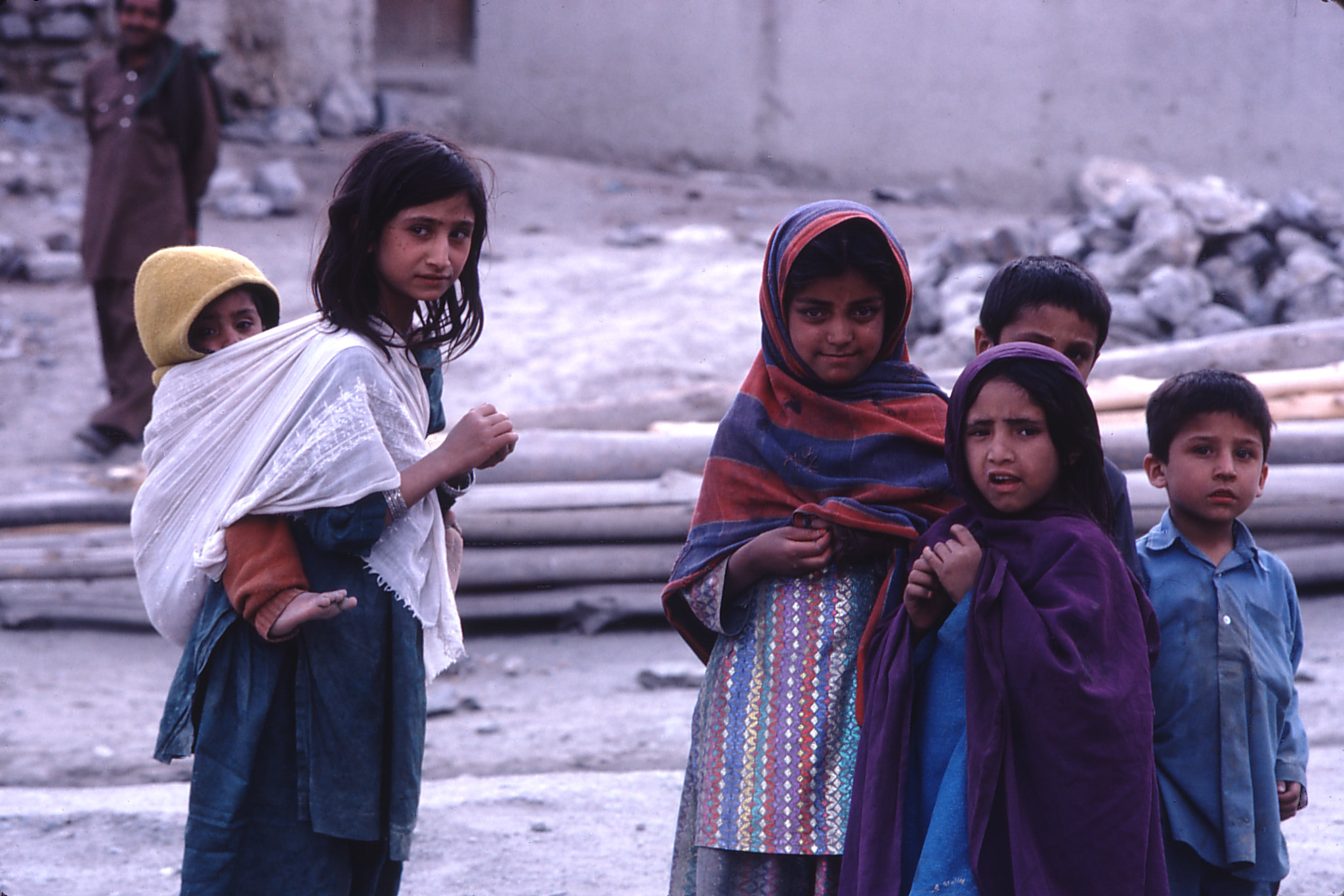 Following the close of regional British rule in 1947, the Kashmir region was arbitrarily divided between India and Pakistan. This resulted in a brutal war fought between the two countries over land rights that has lasted decades. A highly contested “Line of Control” was established thereafter and it has been fought over ever since.
Tensions have escalated in the Kashmir region once more as Indian paramilitary forces recently opened fire upon Pakistani civilians in the disputed region. These actions were taken in response to a separate accusation of hostility from Pakistan in the area. Violence in the region has been characterized by these types of hostile accusations and retaliations back and forth.
This sort of violence in the Kashmir region undoubtedly opens a wound amongst the populous and threatens to undo any diplomatic progress. Factions and paramilitary groups can, unfortunately, act unilaterally and independently from the government. These events come on the heels of meetings between each country’s prime ministers, characterized by both leaders as productive.
The relentless cycle of violence has the hardest effects on families separated by years of the division who live on opposite sides of the border. The Kashmir region is home to one of the most violent land disputes in the world, also having one of the most protected militarized borders.
In 1990 alone, a violent separatist insurgency ensued in Indian Kashmir, a Muslim majority state. This caused 30,000 residents to flee to Pakistan or safe bunkers along the border. Almost 4,000 of these refugees are estimated to still be living on the Pakistani side.
Much of the Line of Control runs alongside the Neelum river which is around 100 meters wide. The closest many separated family members can get is by gathering on the opposite rivers banks to wave and hold signs to one another.
According to Pakistani records, there is approximately 36,000 Indian Kashmiris total living in the Pakistani Kashmir. These Indian Kashmiris face a life of prejudice and social persecution because of the countries’ disputes.
“They can’t have a Pakistani national ID, which means they can’t have a passport, a decent job, or any other rights. We are living in a trauma,” said a man speaking anonymously about his children.
“If India and Pakistan care for the Kashmiris, they should let them cross this arbitrary line they have drawn to divide them” said Bashir Ahmad Peerzada who was a former militant commander.
In order to reunite, Pakistani families have been forced to work for months and save thousands of dollars for airfare to Nepal. Upon arrival in Nepal, it is much simpler and safer to cross the border to India, but still requires much time, money and coordination.
In 2003 however, diplomatic negotiations between the nations showed positive signs and a ceasefire was established along the Line of Control. While this has not meant an end to civilian violence or animosity, it was viewed as a crucial step towards normality in the region.
Additionally, bus services were established in 2005 exclusively for residents of Kashmir to visit their separated family members. There are now two bus lines linking the cities of Muzaffarabad to Srinagar and Rawalakot to Poonch.
In transit between locations, buses and passengers must pass through multiple security checkpoints and screenings. While the application process is arduous and the waiting list is comparably long, this is certainly a sign of good progress between the warring nations.
73-year-old Noor Hussain is one of thousands of Pakistan’s Kashmir residents who have been displaced from his family in India, but who benefits from the buses. Hussain was born in Indian-administered Kashmir and was separated by the war and volatile atmosphere that followed the British partition. Unable to return home for almost half a century, he is finally able to make the trip back and forth to see his seven siblings and his native country.
Showing his hope for the future, Hussain states, “This bus is a lifeline for the divided Kashmiri families, and we wish that no matter how bad things become between India and Pakistan, this bus shouldn’t be stopped.”
– The Borgen Project
Sources: BBC 1, New York Times, Tribune, BBC 2
Photo: Flickr
