Ascariasis: A Major Health Problem in the Developing World
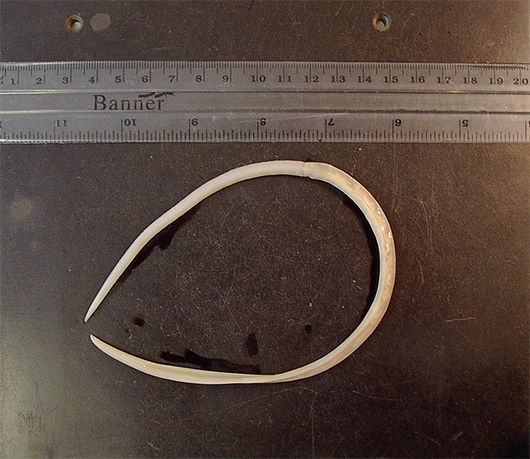
Throughout the developing world, one kind of disease remains more common than any other: worms. In fact, according to The Huffington Post, recent figures have suggested that nearly every person residing in a developing country has some form of worm infection, due to the abundance of worm larva in soil all over the world.
While there are a variety of these infections, one in particular called ascariasis, or ascaris, has become so widespread that, according to the Center for Disease Control, it “account[s] for a major burden of disease worldwide.” In total, 807 million to 1.2 billion people around the world are infected with this parasitic illness, which is also classified as a neglected tropical disease.
It is caused by the consumption of its eggs, which reside in contaminated soil. This happens when fingers that have touched contaminated soil are put in the mouth or if produce has not been properly washed, cooked and peeled.
After ingestion, the eggs make their way to the intestine, where they hatch into larva. The freshly spawned larvae then wait to develop into fully mature worms. An adult female worm can grow up to around 30 cm in length while in the intestine, all while producing eggs that will then return to the soil via the host’s feces.
Upon reaching maturity, these adult worms wiggle through the intestinal wall and make their way towards their host’s lungs through the blood stream. This is where things get even more disgusting. Once near the lungs, they reside by the back of the throat, where they once again lay their eggs and continue the cycle.
Sufferers often do not experience any symptoms, but some of the most common signs of the disease are abdominal pain, coughing, difficulty breathing and fever. In more severe cases, excessive worm growth can cause intestinal blockages. As the worms migrate to the lungs, they are also one of the most common causes of Asthma in the developing world.
Ascariasis can stunt the growth of young children and this age group is also its most common target. When children play in the soil they expose themselves to risk of infection when putting their fingers in their mouths afterward. While usually not lethal, ascaris takes the lives of 60,000 annually, most of which belong to children.
In order to combat this disease, the World Health Organization and many other international aid organizations have attempted mass de-worming efforts. Using the two drugs albendazole and mebendazole, these groups have made progress by treating whole communities.
Another effective way of preventing ascaris does not involve drugs at all and instead relies on health education. These campaigns teach those in afflicted areas how to keep a sanitary kitchen and how to consume food safely, without the risk of catching the disease.
While treatment efforts are ongoing, less than 40 percent of the world’s children in need of treatment have not actually received any. This accounts for more than 850 million children worldwide and stands as one of the largest public health issues in the world. In order to improve the lives of millions, deworming campaigns must carry on.
– Andrew Logan
Sources: The Center for Disease Control, The Deccan Herald, The Huffington Post, The New York Times, The World Health Organization
Photo: Flickr
