5 Ways to Reduce Poverty in the Dominican Republic
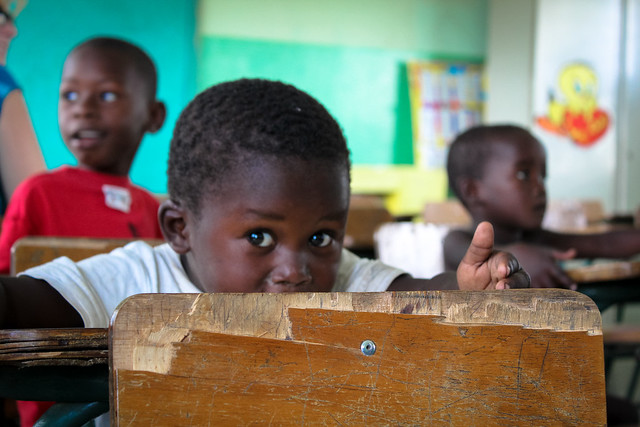
Although the Dominican Republic has been one of the fastest-growing economies since the year 2000, it still struggles with income inequality and a high poverty rate of 21% as of 2019. Diversification in the past three decades is strengthening the economy and improving tourism and infrastructure. Despite this, the poverty rate remains fairly high. The following describes five ways to reduce poverty in the Dominican Republic and bring income equality to Dominicans.
5 Ways to Reduce Poverty in the Dominican Republic
- Government Transparency: Transparency International ranks the Dominican Republic 128 out of 180 countries based on public sector corruption. The ranking demonstrates a failure to control corruption. A lack of transparency dissuades external and internal investors from investment. Under-the-table bribery creates an economy that thrives on bribery instead of honest, hard-working individuals. Active enforcement of laws and corruption-reducing policies could help draw investors to the developing economy and spur faster future growth. In an effort to reduce corruption, the Dominican Republic’s President, Danilo Medina, updated its Anti-Money Laundering and Terrorist Financing Act in 2017 to include the definition of money laundering to crimes including copyright, tax evasion and avoidance and counterfeiting.
- Infrastructure Development: Once an agriculture-based economy, the Dominican Republic has transitioned into a diversified economy. Mining, trade, tourism, manufacturing, telecommunications, finance and services make up more than 90% of the country’s GDP. The remaining 10% is in agriculture. Although the Dominican Republic has made progress in infrastructure, frequent hurricanes in the Caribbean Sea destroy many roads, bridges and docks. The country especially overlooks damage in rural areas, where there is a prominence of poverty. To reduce poverty in the Dominican Republic, investment in repairing areas, such as farmland that hurricanes destroyed, can help alleviate issues and provide easy access to markets. More than 98% of the country has access to electricity, yet the reliability is questionable. Frequent outages in rural and urban areas are common. The government owns and operates electricity, and the unreliability is a constant complaint from Dominicans. A more reliable, widespread and affordable electrical grid would open the country to faster development, and a side effect would be additional jobs in the privatized electric companies.
- Education Inequality: Inequality is a major issue in the Dominican Republic. Insufficient income reduces the probability of receiving an education and health care. It also happens to be one reason for high illiteracy rates amongst the poor. About 26% of the poorest Dominicans are literate. A lack of education is a huge barrier to rising out of poverty. Adding programs to help enable universal access to education can help the poor and, as a result, grant skills and expertise to help the Dominican economy grow.
- Health: Another way to reduce poverty in the Dominican Republic is to improve the health care industry. The Ministry of Public Health and Public Welfare administer public services. In 2007, 36% had to pay the entirety for public service that is supposed to be free but is not exactly. Only 12% of Dominicans report that all or part of the service qualifies for coverage. The cost of public health care is especially a barrier to women, the elderly and the poor. Reducing costs could help reduce the 30% poverty rate.
- Utilizing Competitive Advantages: Top exports include gold, tobacco, knit t-shirts, low-voltage protection equipment and medical instruments. Competition in the marketplace can increase productivity, a major issue in low-income economies. Utilizing competitive advantages enables the country to produce products for less money and sell them in the current country at a reasonable cost. Poor households would pay less for the products made in the Dominican Republic and therefore would help reduce poverty.
Looking Ahead
A negative trade balance of $8 billion expresses a need to create and export more products in order to improve the business climate and reduce costs to Dominican consumers. Active humanitarian involvement and utilization of its competitive advantages could help boost growth and bring Dominicans out of poverty.
Efforts to reduce poverty in the Dominican Republic are making great strides. President Medina is combating government corruption and the economy is diversifying. Additionally, improving infrastructure and adding jobs, as well as access to education and health care will aid the Dominican Republic in poverty reduction and economic well-being.
– Lucas Schmidt
Photo: Flickr
