10 Facts About Poverty in Madagascar
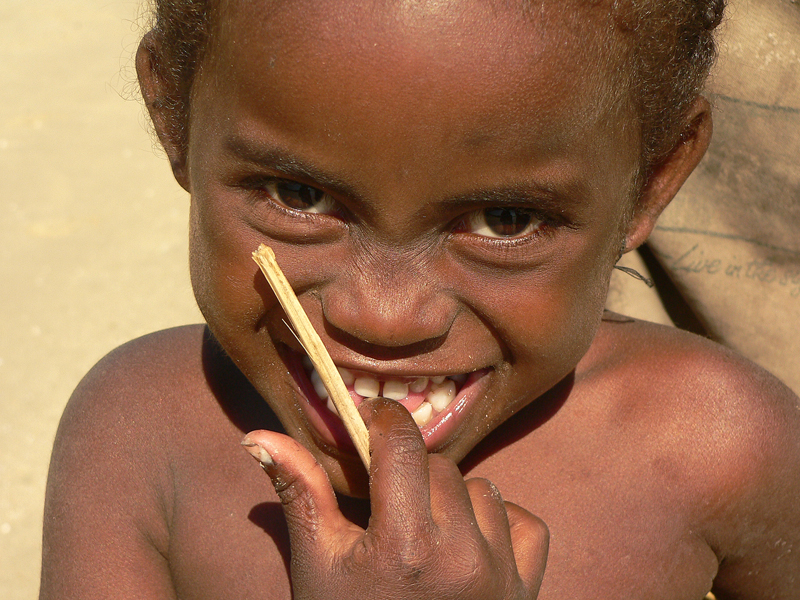
Madagascar is the fourth-largest island in the world and boasts an array of natural resources. Despite this, poverty in Madagascar ranks among the highest in the world. Due to an upturn in the economy, things may be looking up. However, much work is necessary before conditions truly improve. Here are 10 facts about poverty in Madagascar.
- The majority of people in Madagascar live in extreme poverty. Currently, 80.7% of the population lives on less than $2.15 per day. This means that more than three-fourths of the 30.3 million inhabitants live beneath the international poverty line, as defined by the World Bank.
- Poverty in Madagascar hits children the hardest. In fact, more than 80% of those aged less than 18 in Madagascar live in extreme poverty. Additionally, the United Nations Children’s Fund (UNICEF) declares that chronic malnutrition affects almost half of children less than 5 years old, with stunted growth being a major concern.
- Extreme poverty pushes children in Madagascar into child labor. Approximately 43% of children in Madagascar, about half of the population younger than 15, participate in labor of some kind. Many of these children work instead of attending school.
- The island nation’s unique and isolated geography is also a contributing factor to poverty. Environmental challenges have been particularly detrimental to the country’s rural poor, who largely subsist on farming and fishing. Water levels continue to rise and Madagascar’s location makes it very susceptible to cyclones. These factors lead to drought and food insecurity in the already vulnerable nation.
- Though 60.4% of Madagascar’s residents live in rural areas, the country is not currently able to sustain itself. Madagascar has to import 15% of essentials like rice and milk. Furthermore, Slash-and-burn farming techniques and over-farming have led to deforestation on a large scale. As a result, only 10% of Madagascar’s original rainforest is still intact.
- Madagascar’s poor infrastructure also negatively affects its economy. Of the more than 30,000 miles of roads in the country, only about 19% are paved. Many of these roads become impossible to pass during the nation’s rainy season. Furthermore, railroads are not in much better shape; there are two unconnected lines in poor condition.
- Despite the woes above, Madagascar has seen rapid economic growth in the past few years. The year 2018 saw a growth of 5.1%, bringing with it a 2% increase in per capita income. Sectors such as exports, transportation and finance drive this economic growth. However, poverty continues to decrease at a slow rate: only about 3% since 2012. This slow rate most likely results from the majority of the population working in agriculture.
- Water scarcity and sanitation are significant problems in Madagascar. Only about half of the population has access to clean water. In places with limited access to water, women and girls often bear the brunt of the work of collecting it. This time-consuming and physically difficult work hinders their ability to attend school and earn income. In Southern Madagascar, 90% of houses lack basic sanitation needs. Open defecation is common, leading to the prevalence of waterborne diseases such as diarrhea.
- WaterAid is an organization that seeks to give everyone across the globe access to clean water, toilets and proper hygiene, including those in Madagascar. The organization launched its water, sanitation and hygiene (WASH) plan in Madagascar and coordinated with local authorities to improve conditions across the nation. Similarly, the National Action Plan, launched in 2017, hopes to reduce growth stunting in children less than 5 by nearly 10%. It also aims to increase access to drinking water and proper sanitation to 65% and 30% of households, respectively.
- SEED Madagascar is a nongovernmental organization (NGO) that works specifically in the Anosy region of Southeast Madagascar. The organization creates projects related to education, community health, environmental conservation and sustainable livelihoods. In one such project, a 20,000-liter rainwater harvesting system placed on the roof of a primary school in Ambandrika provided clean water for 144 schoolchildren and 750 members of the wider community. Additional benefits of SEED’s work include allowing more time to create marketable goods as well as more time to care for children.
Looking Ahead
Poverty in Madagascar is widespread and the situation will not improve if it is ignored. Economic growth and organizations like SEED Madagascar and WaterAid are taking important steps. However, the issue must continue to be addressed.
– Joshua Roberts
Photo: Flickr
Updated: June 11, 2024
