10 Facts About Hunger in Latin America
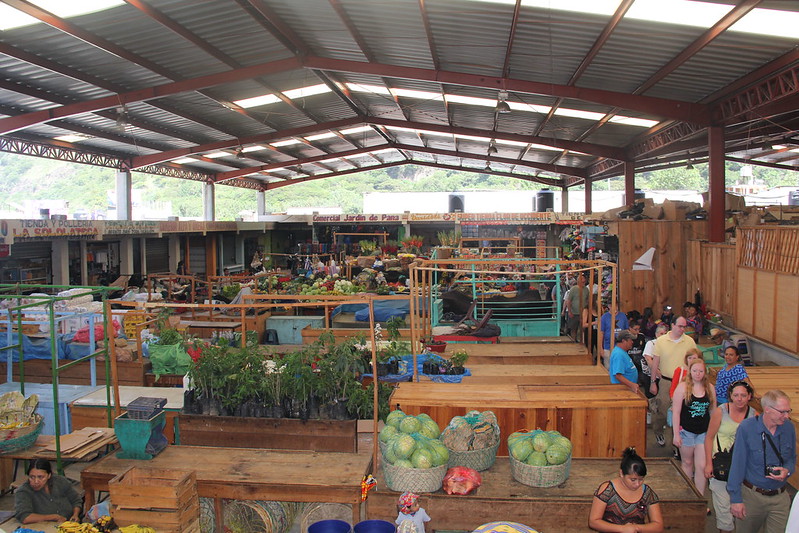
Hunger affects 43.2 million in Latin America and the Caribbean. While this figure represents 0.5% over a previous measurement, hunger in the region is still 0.9% above the 2019 records before COVID-19. Here are 10 facts about Hunger in Latin America:
10 Facts About Hunger in Latin America
- The Cost of a Healthy Diet is Higher in this Region – Latin America and the Caribbean have the highest healthy diet costs worldwide. The cost of a healthy diet increased by 5.3% in the region between 2020 and 2021. This increase was due to food inflation and errors in supply chain distribution. The average price of a healthy diet globally is $3.66 per person per day, but the average cost in Latin America is $4.08.
- Food Insecurity is Still Rising in the Region – In 2022, 247.8 million people in the region experienced moderate or severe food insecurity. This caused some people to reduce the quality or quantity of their food and, in some cases, even skip meals.
- Fuel and Energy Prices Affect Food Insecurity – This makes it more difficult for people to access food, as they cannot afford fuel for transportation. In addition, the cost of moving a ton of food into the region is seven times more expensive, increasing hunger in Latin America.
- An Increase in Production and Exports Over the Last Few Years Have Increased Hunger – Since 2022, Brazil, Argentina, Paraguay and Uruguay, among other countries in the region, have continued to boost their production. This growth has been partially due to the increase in food prices. With the increase in production, food prices will continue to increase to account for higher production costs.
- Welfare Does Not Help Food Insecurity – Moderate and severe food insecurity has grown in the last two years, even for those who receive the Auxílio Brasil benefit, “a cash transfer of 600 reais ($115) per month for families living in poverty or extreme poverty.” About 32.7% of families that receive welfare earn less than half of Brazil’s minimum wage. Welfare may help with diapers or other items for kids, but it cannot cover everything. This leaves people vulnerable to hunger.
- People Are Facing the Darien Gap – People are willing to risk their lives crossing the Darien Gap. This is a particularly arduous and dangerous forest route in Central America, facilitating access from the south to the north of the continent. In 2021, 151,000 people passed through this route, and this typically involves 10 days walking through a forest and 10 days through rivers and crossing mountains. Many people died in the process. Yet, people are desperate to move because they have lost everything and can no longer support their families. They have no access to food or food security.
- Food Insecurity Due to the Pandemic – When the COVID-19 pandemic began in 2020, almost 3.1 billion people worldwide could not afford a healthy diet. Approximately 117.3 million of those people were from Latin America and the Caribbean.
- Action Against Hunger – Action Against Hunger is an organization dedicated to fighting hunger and improving food security in more than 50 countries, including Latin America. It helps people in small communities access healthier food, more income and markets. This boosts their economic productivity, allowing them to access food.
- Hunger-Free Latin America and the Caribbean Initiative – This organization is creating conditions to help eradicate hunger permanently by 2025. Their work is mainly in the legal sector, where they develop legal frameworks that promote and protect the right to food, institutions that coordinate and monitor the negotiations to increase food security and policies that lead to practical actions to end hunger.
- Feeding My Starving Children – This is another organization that aims to limit hunger in the region. The organization sends nutritious meals to several ministries in Peru, where its partners seek to provide love and hope in the name of Jesus.
Looking Ahead
While there is still work to be done to eliminate hunger in Latin America, the efforts of the above organizations spurs hope for a better future.
– Sara Agosto
Photo: Flickr
