Top 7 Facts about Modern Day Slavery
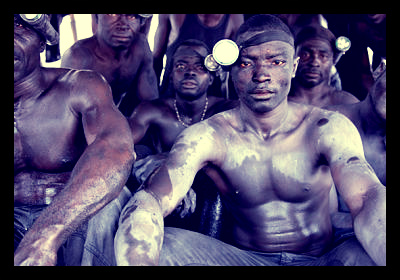
The facts about modern day slavery are shocking and remain largely unknown to much of society. Below are the top modern day slavery facts.
Top Modern Day Slavery Facts
1. When Americans think about slavery, what often comes to mind is the transatlantic slave trade, Africans displaced from their homeland and the Underground Railroad. Though slavery has officially been abolished, modern day slavery exists. Slavery is not simply a thing of the past. It is estimated that there are anywhere from 20 to 30 million people who are in slavery at this moment. This is a large increase from the 12.3 million slaves estimated in the 2005 study done by the International Labour Organization (ILO). The number is huge and leaves many wondering what can be done to help those who endure the cruelties of others who enslaved and stripped these individuals of their freedom.
2. Contemporary slavery is not restricted to just one area. Forced labor lies within the realms of sexual abuse and prostitution, state-enforced work and many others. According to the ILO, someone is enslaved if he or she is:
- forced to work through mental or physical threat
- owned or controlled by an “employer,” usually through mental or physical abuse or the threat of abuse
- dehumanized, treated as a commodity or bought and sold as “property”
- physically constrained or has restrictions placed on freedom of movement
3. As of 1981, slavery is not considered legal anywhere. That year, Mauritania became the last country in the world to abolish slavery. However, the act of owning slaves didn’t become a crime in Mauritania until 2007. That being said, many in the country defied the law regardless. In fact, only one slave-owner has been successfully prosecuted in Mauritania. Despite the fact that slavery is illegal, it continues to happen and the practice affects all ages, races and genders.
4. Slave-owners often use euphemisms instead of the term “slavery” in order to avoid getting caught. Such euphemisms include: debt bondage, bonded labor, attached labor, restavec (a French word that means “one who stays with”), forced labor and indentured servitude.
5. According to the U.S. Department of State’s 2007 Trafficking in Persons report, there are 800,000 people trafficked across international borders every year; 80 percent of those victims being female. Even more shocking is the fact that 50 percent of these people are children under the age of 18. These victims live within 161 different countries.
6. Slavery doesn’t just reach adults; children are a very large part of contemporary slavery, especially in prostitution. According to the U.S. Department of State, one million children are exploited by the global sex trade every year. The average age a teen enters the American sex trade is 12-14 years of age. These children are typically runaways who were abused sexually at an even younger age.
7. The average cost of a slave is about $90.
– Samantha Davis
Sources: CNN: Freedom Project, Antislavery.org, CNN, AbolitionMedia.org
Photo: Lisa Kristine
