Managing Food Waste In Singapore: Zero-Waste Nation
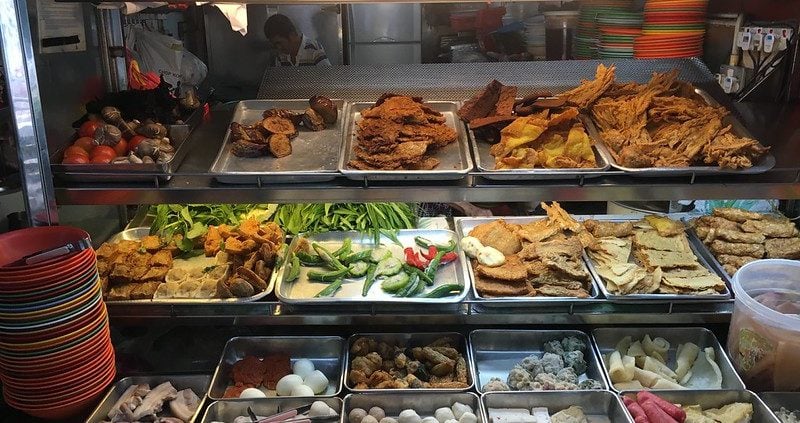 Food waste accounts for 11% of Singapore’s total waste and has placed pressure on the country’s only landfill, which is expected to reach capacity by 2035. To address the problem, Singapore has introduced initiatives to manage food waste, including recycling, redistribution and treatment. Managing food waste in Singapore will support the country’s goal of becoming a zero-waste nation while helping reduce poverty and food insecurity in its communities.
Poverty in Singapore affects many citizens in different ways. Around 25% of Singaporeans live in relative poverty, while 3% live in absolute poverty, meaning they cannot meet basic standards of living. One major effect of poverty includes food insecurity, as many households cannot afford nutritional necessities.
Connection Between Poverty and Food Waste
Global hunger is connected to food waste in ways that many people do not realize. Food waste totals nearly one trillion United States dollars (USD) each year, equivalent to around one billion meals every day. The United Nations Food and Agriculture Organization estimates that reversing this trend could provide enough food for two billion people.
A 2024 report by the Food and Agriculture Organization found that 9.5% of Singapore’s population, or more than 500,000 people, experienced moderate to severe food insecurity between 2022 and 2024. Severe food insecurity affected 3.5% of the population in the same period. The prevalence of food insecurity in Singapore has roughly tripled since 2014 to 2016, according to the same report. Locally, the Singapore Hunger Report found that about 10% of Singaporean households experienced food insecurity in the past year. These trends worsened following the effects of COVID-19.
A common misconception about world hunger is that the world does not produce enough food. However, according to the World Food Programme, nearly one-fifth of all food is wasted before it can be consumed. The world produces enough food, but insufficient distribution and lack of intervention left an estimated 8.3% of the global population facing hunger in 2024. Since 2019, Singapore has actively addressed food waste management by developing new legislation and programs within its communities.
Singapore’s Solutions
The Resource Sustainability Act 2019 (RSA) came into effect on Jan. 1, 2020. The Act requires producers to bear the cost of collecting and treating products after consumers discard them. This encourages recyclable packaging and a reduction in packaging waste while also creating proper separation and treatment of food waste. Through the 3R approach — reduce, reuse and recycle — treated food waste becomes animal feed, compost or energy.
The Packaging Partnership Programme, a development program run by the Singapore Environment Council (SEC) and National Environment Agency (NEA), has held a forum providing collaboration for sustainable packaging and hosted sessions that help businesses implement sustainable packaging and strategies on waste reduction.
On Jan. 1, 2025, the government enacted the Good Samaritan Food Donation Act 2024 to further reduce food waste. The Act encourages businesses and individuals to donate excess food to low-income communities. Around one in 10 households in Singapore experience food insecurity, so this legislation aims to encourage food donations and support these residents.
The Tampines North Citizens’ Consultative Committee has also taken initiative by providing fridges around Tampines, a region in Singapore, where community members can place excess food for those in need to access. The NEA supports 150 schools each year in creating food waste reduction activities. According to the National Environment Agency, “food waste has reduced from 17.9kg to less than 10kg per day in Greendale Primary School, and from 24kg to 17.5kg per day in Admiralty Primary School.”
Importance of Managing Food Waste in Singapore
By encouraging food donations, Singapore can reduce food insecurity while moving closer to its goal of becoming a zero-waste nation. When Singapore manages food waste through redistribution and reallocation based on household needs, more opportunities arise, such as relief in food spending, health care and education.
Since enacting these laws, the Singaporean government reports that Singapore’s daily non-domestic waste generated per dollar of gross domestic product has decreased by more than 30% over the last decade — from 40 tonnes in 2013 to 26 tonnes in 2023. Separating economic development from waste generation gives lower-income households greater access to essential goods. The government expects these trends to continue as Singapore works toward becoming a zero-waste nation.
– Jacquelyn Orr
Jacquelyn is based in Philadelphia, PA, USA and focuses on Good News and Technology for The Borgen Project.
Photo: Flickr
