5 Organizations Combating Violence Against Women in South Sudan
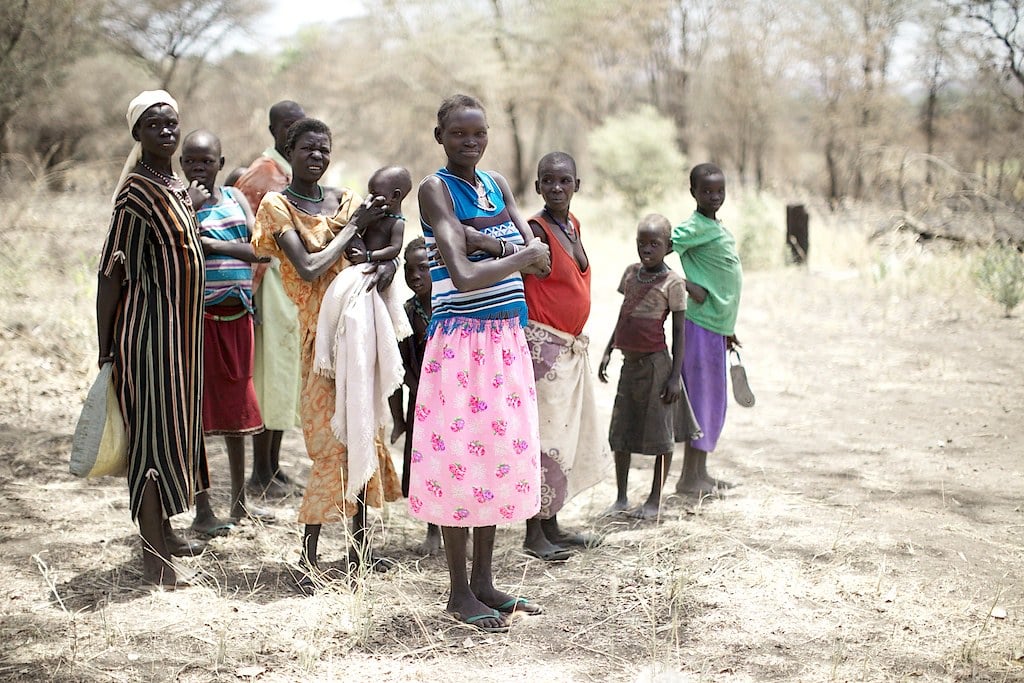 South Sudan’s population has endured decades of conflict, with thousands displaced and subject to violence. Yet, women are disproportionately victimized. The UN states that of the 375,825 displaced people between January 1 and March 31, 2026, almost 60% were women and children. Furthermore, in 2026, 5 million women and girls are in need of humanitarian aid, half of which includes aid in response to gender-based violence.
Around 65% of women and girls have been subject to gender-based violence in South Sudan, most often before age 18. Weaponized sexual violence as a war tactic is rife, however, even in intimate relationships, 26.7% of ever-partnered women aged 15-49 in 2018 reported physical or sexual violence by a current or former partner in the previous 12 months. Beyond the immediate violence of rape, women navigate social stigma alongside their trauma.
Such a complex and embedded issue requires large-scale and multifaceted change. Below are five organizations which each take a unique approach to targeting violence against women in South Sudan:
1. The Mukwege Foundation
The Mukwege Foundation, established in 2016, is an international human rights organization which responds to sexual violence in conflict zones through centering survivors. Its core strategy is ‘holistic care’ – a compassionate kind of care that covers all of survivors’ needs, from medical care and counseling to skills training and legal support. This kind of care promotes resilience and recovery.
The foundation furthermore advocates for change in the response to sexual violence, calling for the condemnation of perpetrators and the amplification of survivor voices to influence policy and justice. It also champions networks of survivor voices to support each other and advocate together. Its support for survivor networks includes the Survivors Network in South Sudan (SUNS), which represents 3,200 survivors of gender-based and sexual violence. The Mukwege Foundation provides mental health support to members of SUNS as well as organizational resources to improve their capacity and help them to serve survivors better. Furthermore, they help SUNS connect with other survivor-led networks, such as the global survivor network SEMA.
Although the foundation does not offer specific statistics for South Sudan, its global efforts in 2025 include helping almost a thousand survivors receive medical care and 2,600 receive counseling. Additionally, 2025 saw a membership of more than 7,400 in SEMA global survivors network and other national networks in 30 countries.
2. Women for Women International
Another international humanitarian foundation, Women for Women has been tackling violence against women in conflict-affected areas since 1993, including South Sudan from 2006. Its name comes from its cultivation of ‘sister-to-sister’ solidarity between women.
This nonprofit runs year-long training programs for South Sudanese women to develop skills and networks. Such training provides women with independence, power and hope to move on from their trauma. Women for Women has reached more than 28,000 women in South Sudan since 2006, with 1,423 graduating from their programs in 2025.
Not only does it focus on women, but it also targets male community members in its Men’s Engagement Program to help them become allies. Men learn about gender equality and the importance of supporting the rights of women in their communities. These have reached more than 3,000 men in South Sudan since the programs began.
3. South Sudanese Women United (SSWU)
SSWU, established in 2014, works exclusively in South Sudan to build community resilience during conflict, particularly in the face of violence towards women and girls. It targets the most vulnerable and marginalized groups, especially those who have been displaced. Setting up Women and Girls Safe Spaces, SSWU offers practical skills and training. It also educates women on self-protection, recognizing the signs of violence and knowing where to find help. SSWU works with communities to create environments that condemn gender-based violence and encourage equality and respect in relationships.
SSWU’s work has reached 10,000 women according to its website. On top of its community resilience programs, it has also helped thousands evacuate conflict zones. For example, when conflict in Sudan most recently broke out in 2023, SSWU evacuated 11,000 South Sudanese people (mostly women and children) to safe zones, reducing their vulnerability to conflict-related sexual violence.
4. EVE South Sudan
Established in 2008 in South Sudan, EVE Organization for Women Development runs a variety of projects, working against violence towards women through connecting girls with services and referral routes as well as providing awareness sessions. It has hosted radio shows to help women understand their rights and roles in promoting peace and justice. EVE has also run workshops in communities to educate young women and build their confidence as well as partnering with influential community leaders. EVE reports that it has empowered more than 5,000 women and completed more than 100 projects in South Sudan.
5. Women for Justice and Equality (WOJE)
Established in 2016, WOJE is an advocacy organization which promotes gender equality through advancing young women’s opportunities, rights and resources in deprived South Sudanese localities. According to its website, SSWU’s programs have reached 110,000 survivors.
WOJE moreover document cases of sexual violence and help women to seek justice. As well as supporting women at grassroots level, they advocate for large-scale change. For example, WOJE has worked to advance and enact the Anti-Gender-based Violence Act, which was drafted in 2023 but is is still yet to be passed by the South Sudanese Government in 2026. The bill would strengthen protections for women, criminalize harmful activities and create survivor-centered mechanisms.
Building a Safer Future
The above organizations all recognize that the complex crisis of violence against women in South Sudan requires a diversity of solutions. While working towards peace and security is a fundamental mission, undoing deep-seated ideas and traditions is also essential. From challenging norms and empowering women on a community level to lobbying for political and legislative change, these many efforts build the possibility of a safer future for South Sudanese women.
– Hattie Murdoch
Hattie is based in Norwich, UK and focuses on Good News and Global Health for The Borgen Project.
Photo: Flickr
