Sustained International Efforts Support Venezuela’s Recovery
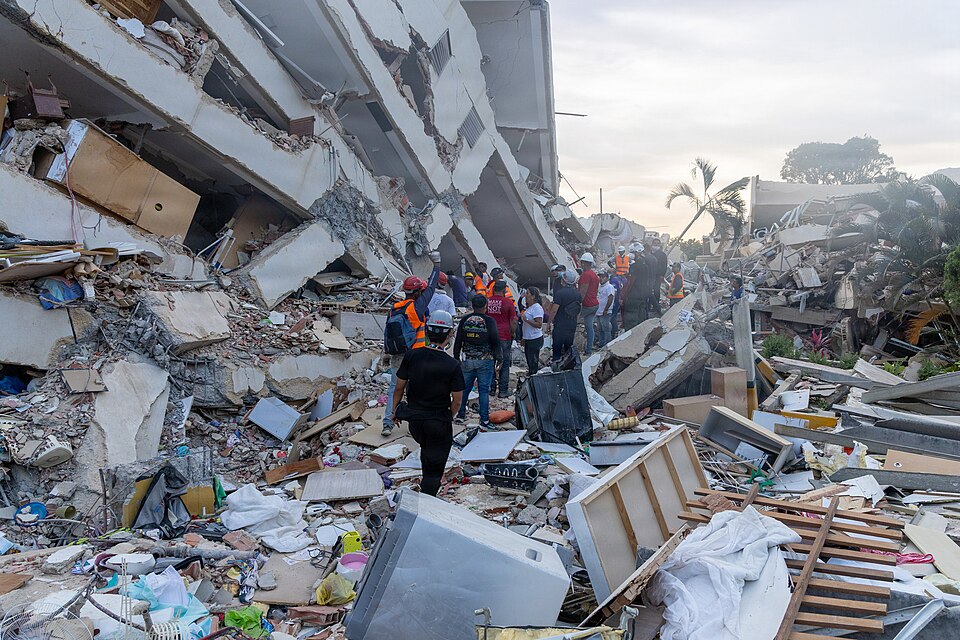 On June 24th, Venezuela was struck by two earthquakes measuring 7.2 and 7.5 in magnitude, triggering a major humanitarian emergency. Over six weeks later, the scale of the disaster remains immense. By August 11th, the reported death toll had risen to 6,301, nearly 61,000 people had been treated in hospitals, and 9,500 homes were classified ‘high-risk.’
A Global Response
Alongside the destruction emerges another story: an international response that has continued to adapt as Venezuela’s recovery needs have changed.
In the first days after the earthquakes, search-and-rescue teams arrived from across the globe. Spain deployed members of its Military Emergency Unit; Brazil sent firefighters and a field hospital; Switzerland provided specialists and equipment; Mexico sent technical rescue personnel alongside its volunteer Topos teams; and Turkey deployed disaster-response specialists, medical personnel, search dogs and vehicles. Particularly notable was Syria’s 15 specialist strong search-and-rescue mission, considered the first international humanitarian operation they have ever conducted, and described by Syria’s SANA news agency as a “historic milestone.” Other countries across Latin America also contributed, while international organizations mobilized.
A Changing Mission: From Rescue to Recovery
Significantly for Venezuela’s recovery, international support did not disappear when the immediate search ended. As chances of finding survivors diminished, doctors, humanitarian workers, logistics specialists and development organizations increasingly took on longer-term roles. International donations also continued, with 107 registered by August 3rd.
The United Nations and its partners have been coordinating assistance across health, shelter, food, water, sanitation and hygiene, logistics and protection. According to the latest OCHA situation report, nearly 212,000 people had accessed essential services and humanitarian assistance by August 6th.
Hospitals Without Walls
Healthcare is one of the clearest examples of how the international response is evolving. Temporary medical facilities have been established in affected areas, and international partners have provided doctors, medicines, laboratory equipment and other essential supplies.
Brazil has continued operating a field hospital in La Guaira, while Colombia shifted its contribution from search-and-rescue towards medical assistance. Others, including the Dominican Republic, Qatar and international humanitarian organizations, have also supported temporary medical capacity.
Yet, humanitarian concerns extend beyond damaged infrastructure and interruptions to healthcare and essential services create additional vulnerabilities. Women, girls and adolescents can face increased risks of violence and exploitation after disasters. The international response therefore needs to focus also on protecting those most affected, and rebuilding communities and lives.
One striking example of long-term assistance has come from Israel; a reminder that international disaster assistance can move beyond diplomatic complexities. Despite the absence of diplomatic relations between the two countries for many years, an Israeli delegation has become involved in developing a national plan for rebuilding affected areas. The effort includes the demolition of dangerous structures, clearing of debris and rehabilitation of earthquake-hit areas. Within a few days of arriving, consulting senior government officials and inspecting disaster zones, the Israeli team formed a comprehensive reconstruction plan to map the damage, clear debris and unsafe structures and restore critical infrastructure.
This continued phase of disaster response is critical to Venezuela’s recovery. Recovery requires sustained funding, coordination between international and national actors, restoration of infrastructure and an understanding of what communities will need after the immediate emergency has faded.
A Long Road Still Lies Ahead
The road ahead for Venezuela’s recovery will not be short. The UN Development Programme estimated direct physical damage at approximately $6.7 billion USD, equivalent to about 6% of Venezuela’s GDP. The estimate does not represent the full economic disruption or eventual reconstruction cost. The UN Office for Disaster Risk Reduction has separately estimated damage to homes and infrastructure at around $37 billion USD. UNICEF has predicted $52 million USD is required for its earthquake response alone. Such figures underline the scale of the need, and the importance of sustained international funding and support.
– Cecilia Catmur
Cecilia is based in Cambridge, UK and focuses on Good News for The Borgen Project.
Photo: Wikimedia Commons
