Positives of USAID Programs in Lesotho
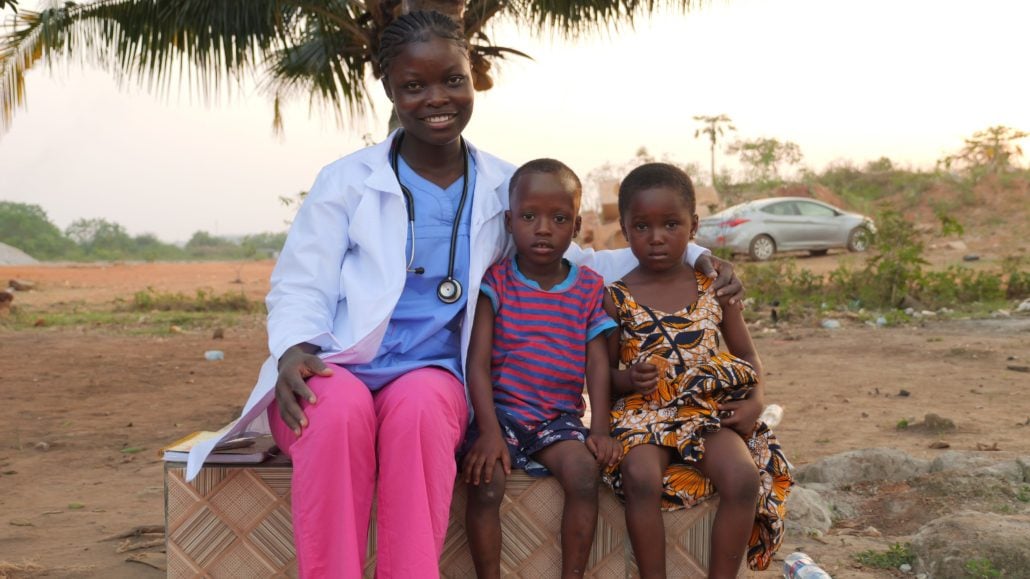 Aid is a quintessential piece of economic development and growth, specifically in places like Africa, a continent with some of the most significant challenges to furthering economic growth and development. Lesotho is a lower-middle-income country with a population of 2.3 million, which is projected to increase by 29% by 2050. This is consistent with lower-income countries, where mothers have more children when they do not expect one or more to survive.
The most vulnerable groups in Lesotho are farmers, young girls and children and women. USAID programs in Lesotho such as USAID Global Health Supply Chain Program-Procurement and Supply Management Program (USAID GHSCP-PSMP), which started in 2016, promote effective supply chain management for HIV/AIDS medication. Other programs include the DREAM Initiative, which started educating young women and girls about HIV protection in 2016, and Bophelo Bo Botle or Good Health Activity, which began in 2024 and works to educate people on good health practices.
The Ways That Lesotho Benefited From US Foreign Assistance
USAID programs in Lesotho have helped address the HIV/AIDS epidemic. According to Lesotho’s 2025 National HIV Estimates Report, new HIV infections declined by 83% between 2010 and 2024, with approximately 3,200 new infections estimated in 2024. While this progress reflects the country’s broader HIV response, U.S.-supported programs have contributed through prevention, education and treatment. Programs such as the Bophelo Bo Botle Activity and DREAM Initiative have provided HIV prevention education, while USAID’s Global Health Supply Chain Program-Procurement and Supply Management (GHSCP-PSM) has helped provide access to life-saving HIV treatment. By helping people prevent and manage HIV, these programs can support healthier communities and enable more people to participate in education and economic opportunities.
Data from the World Health Organization and UNAIDS indicate that Lesotho has made significant progress in its response to HIV/AIDS. At the same time, life expectancy in Lesotho has increased from 44.3 years in 2008 to 57.8 years in 2024. Despite this improvement, Lesotho’s life expectancy remains well below the global average of 73.48 years. The gap reflects the country’s broader health and development challenges, including poverty, limited access to health care and the ongoing impact of HIV/AIDS.
USAID programs in Lesotho have helped significantly with the HIV/AIDS epidemic, with the United States funding more than $100 million towards economic growth and development in Lesotho. For example, through the GHSCP-PSMP model, it has helped promote the proper management of HIV/AIDS medications, leading to an increased supply of sterile needles and medications for HIV treatment. It has also provided $63.4 million towards irrigation planning and infrastructure, and allocated $29.5 million to primary health care services, such as the DREAM Initiative. This could explain the upward trends in life expectancy data.
Bophelo Bo Botle
The Bophelo Bo Botle Activity started in 2024 in Lesotho. This program focuses on educating people in Lesotho on general good health practices by utilizing people-centered prevention, care and treatment. This program was unfortunately terminated in 2025 due to United States budget cuts and cuts to the PEPFAR program. With the program only running for a year, the program did not have many accomplishments.
The DREAM Initiative
The DREAM Initiative began in Lesotho in 2016, focusing on the factors making adolescent girls and young women vulnerable to HIV/AIDS. Such factors include “gender-based violence, exclusion from economic advancement opportunities and a lack of access to secondary education.” After three and a half years of implementation, new infections among adolescent girls and young women decreased by 71.4% in the two districts where the program was operational.
USAID GHSCP-PSMP
The USAID Global Health Supply Chain Program-Procurement and Supply Management Program (USAID GHSCP-PSMP) began in 2016 and is scheduled to end in September 2026. This program has promoted supply chain management of HIV/AIDS medication and treatments. The USAID GHSCP-PSMP provided continued availability of HIV treatment and tuberculosis treatment. As of 2020, “97% of HIV positive adults were receiving antiretroviral treatments and 92% were virally suppressed.”
Setbacks
All of this progress comes with a substantial budget cut for USAID programs in Lesotho, and in U.S. foreign assistance all around. In 2025, the U.S. gave $24.7 million in total aid to Lesotho. This is a stark difference from just three years prior, when it gave $150 million.
However, the Chinese government has been strengthening relationships with Lesotho, along with 53 other African countries, and implementing many educational and health-based practices through foreign aid. For example, in 2024, China and UNAIDS pioneered a joint campaign called “Eliminating the Triple Threat in Girls and Young Women in Lesotho,” which reached 20,000 young women and promised $2 million. This is very promising after the budget cuts the United States made.
China also introduced scholarships for Lesotho in 2025. These scholarships are helping create skilled workers and “ease the financial burden of overseas education.” This is very promising after the budget cuts the United States made.
Looking Forward
Considering the U.S. foreign aid cuts, USAID programs in Lesotho like the DREAM Initiative, GHSC-PSM and the Bophelo Bo Botle Activity may not be able to continue. Thankfully, China has stepped in and introduced new programs and initiatives geared towards economic growth and development in Lesotho.
– Lily K Gibson
Lily is based in Bristol, CT, USA and focuses on Global Health and Politics for The Borgen Project.
Photo: Pexels
