The End of the UN Türkiye-Syria Aid Route
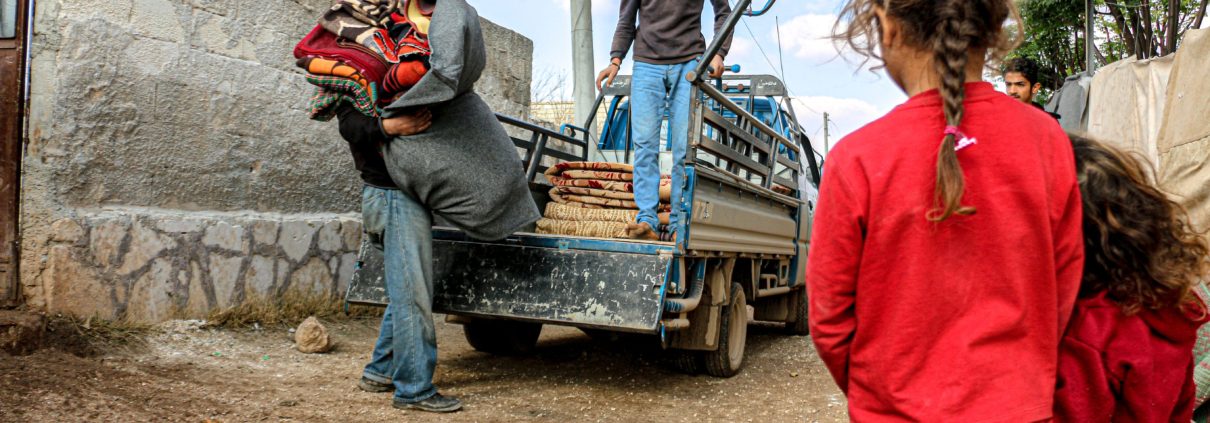 The United Nations (U.N.) announced on May 4, 2026, that it would end its cross-border aid route from Türkiye into Syria after 11 years. The U.N. Türkiye-Syria route delivered over 65,000 trucks of aid from July 2014, making it “one of the largest and most complex humanitarian supply chains,” according to U.N. spokesperson Stéphane Dujarric.
This marks what the U.N. has described as a sign of recovery for Syria following 14 years of conflict that damaged one-third of the country’s pre-conflict gross capital stock. The aid corridor supported a Syrian population where one in four are in extreme poverty, and two-thirds are below the lower middle-income poverty line. Its closure raises questions about what impact it will have, and what it signals about poverty in Syria overall.
Why Was the UN Türkiye-Syria Aid Route Needed?
Under U.N. Security Council Resolution 2165, the U.N. created the Türkiye-Syria corridor as an emergency bypass after civil war damaged infrastructure and shifted front lines. The Syrian conflict had devastating civilian consequences, costing almost half a million lives and displacing around half of the pre-war population. Despite the fall of the Assad regime in December 2024 triggering millions of displaced Syrians to return, the Türkiye-Syria earthquake in 2023, which killed almost 11,000 Syrians, had already deepened the country’s humanitarian crisis. The disaster reaffirmed the need for the aid route, particularly because it predominantly affected the northwestern region of the country, where the corridor operated. The route existed largely because of the destruction of people’s livelihoods, which thrust most of the population into poverty with little to no sustainable income in a volatile environment. The poverty rate increased almost threefold, from 33% to 90%.
Why Did the Aid Route Close?
With the end of the Assad regime, the international community eased sanctions, facilitating a reopening of border crossings to commercial traffic and regular supply routes. Türkiye has proposed to strengthen and modernize the border crossing with Syria to stabilize trade. The U.N. said the need for an emergency bypass is no longer necessary, since humanitarian aid should now be able to reach those in need through regular, stable trade routes — something U.N. officials have called a positive sign for Syria’s recovery. However, the U.N. has also made clear that poverty in Syria remains a significant issue, with humanitarian need remaining very high due to extensive infrastructural damage. Up to 13 million people still require food and clean water assistance.
The State of Syria Without the Aid Route
The closure of the aid route reflects a shift the U.N. and other observers have described as promising for the establishment of normal trade routes and, by extension, the country’s broader recovery. As trade becomes more stable, the country could begin to economically recover, invest in rebuilding infrastructure and create job opportunities, potentially helping to alleviate high poverty rates. Inflation fell to 11.5% in 2025 from 72% in 2024, and the Syrian government posted its first budget surplus since 1990 at the end of last year. While poverty rates remain high, these macroeconomic indicators suggest a trend that could ease pressure on low-income families and, over time, help generate jobs. Humanitarian aid is still reaching Syria, now through normal trade routes, allowing civilians to continue receiving assistance in the aftermath of conflict.
Overall, the closure of the U.N. Türkiye-Syria aid route marks a step toward the more stable establishment of the country’s trade routes and commercial border crossings. However, poverty remains widespread and continues to affect most civilians, a consequence of the displacement and infrastructure damage caused by 14 years of conflict. Humanitarian need in Syria remains urgent, but by ending its emergency measures, the international community is aiming to establish more long-term and stable arrangements while continuing to assist those in need.
– Amy Carpenter
Amy is based in Poole, UK and focuses on Good News and Politics for The Borgen Project.
Photo: Pexels
