Top 10 Facts About Hunger in Mauritania
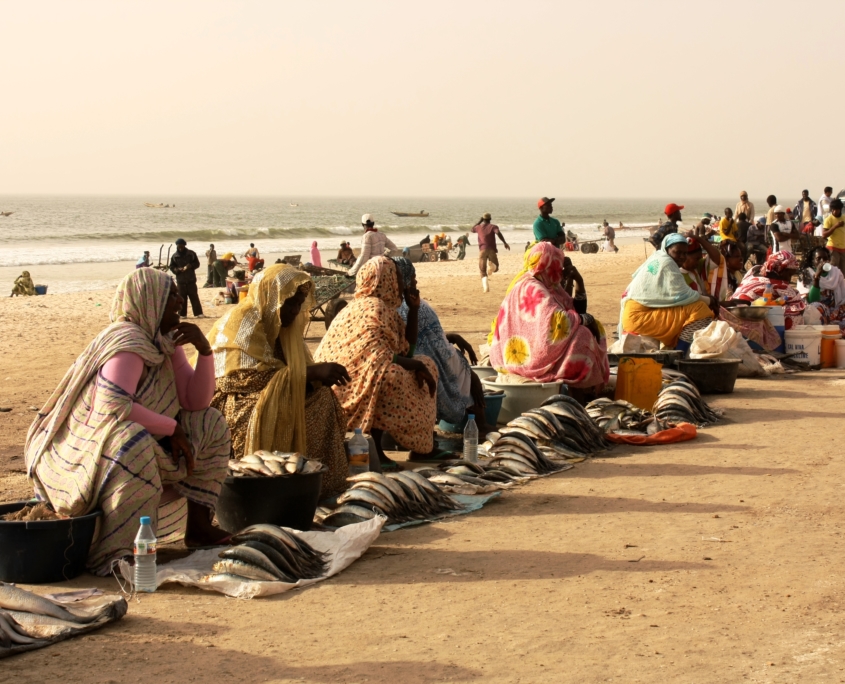 Mauritania, one of the least densely populated countries in the world, is located in West Africa and is home to 4.9 million people. Despite its vast size, the country faces a severe food and nutrition crisis exacerbated by a devastating drought. This situation has made hunger in Mauritania more acute than in years. Here is a list of the top 10 facts about hunger in Mauritania.
Top 10 Facts about Hunger in Mauritania
- Hunger is a serious problem: The 2024 Global Hunger Index indicates that Mauritania is ranked 91st out of 119 countries, with a score of 21.1. This ranking and score reflect the serious hunger challenges the country is facing. The significant challenges contributing to this situation include economic instability, poverty and climate-related issues.
- Drought cycles: Mauritania is situated in the Sahel, a region of Africa just south of the Sahara Desert. This area experiences highly inconsistent rainfall and has endured drought cycles for thousands of years. In 2021, Mauritania faced one of the worst droughts in its history, worsening the situation for an already vulnerable population. As a result of this drought, 20% of the already suffering population became acutely food insecure.
- Managing drought: Mauritania, along with the other neighboring countries, is part of the Great Green Wall Initiative, coordinated by the U.N. and aims to combat climate change and land degradation by creating jobs, building community resilience and enhancing food security. The steps taken in this regard include planting trees, collecting rainwater and imparting knowledge and training in climate-resilient agroforestry practices to the local communities.
- Reliance on imports: Mauritania has abundant natural resources like fish, iron, natural gas and gold, but most of the population depends on agriculture and pastoralism. Unfortunately, 80% of the land is a nonarid desert, limiting agriculture and making the economy and the population vulnerable to environmental challenges. As a result, the country relies heavily on imports, with about 70 % of its food supply imported, rising to 85 % during droughts.
- Extreme poverty: Mauritania faces a high level of poverty, with over half of its population living in multidimensional poverty. This situation restricts access to essential resources such as food, healthcare and education. Moreover, poverty makes the population more vulnerable to climate-related shocks like droughts and floods. These environmental challenges worsen food insecurity and hunger, trapping people in a relentless cycle of poverty.
- Malnutrition in the general population: Food insecurity and malnutrition are significant issues in Mauritania. Currently, 53% of the population experiences moderate to severe food insecurity, with thousands of individuals in need of food assistance. The lack of access to nutritious foods has made 9% of the population undernourished. This problem is particularly severe in rural areas.
- Stunting and wasting in children under 5: Malnutrition impacts children the most severely. Currently, 13.6% of children under 5 are acutely malnourished and wasted, while 25% experience stunted growth. These issues of malnutrition and stunting are significant contributors to the education crisis, where a staggering 45% of children are out of school.
- Maternal mortality: Mauritania faces a significant challenge with a high maternal mortality ratio, currently at approximately 464 deaths per 100,000 live births. This issue is linked to several factors, including widespread poverty, limited access to essential healthcare services and malnutrition. For example, 43% of women of reproductive age are affected by anemia, primarily due to insufficient access to nutritious food caused by poverty and food insecurity. Additionally, the lack of healthcare facilities and trained professionals further increases the risks that women face during pregnancy and childbirth.
- Water scarcity: Water scarcity is a critical issue in Mauritania as only 58% of the population has access to basic drinking water and great disparities exist between urban and rural areas. The water shortage leads to water-borne diseases and limited economic opportunities for the people. To solve the issue, efforts need to be directed toward improving infrastructure, climate resilience and sustainable resource management.
- Malian refugees: Conflict in Mali has led to a significant influx of refugees into Mauritania. As of 2024, approximately 300,000 refugees were living in Mauritania, creating an added burden on an already vulnerable economy. The WFP assists them with food packages, school meals and cash assistance and tries to build self-reliance.
Final Comments
The hunger crisis in Mauritania is a complex and multifaceted challenge involving various social and environmental factors, such as poverty and recurrent droughts. This situation demands urgent and collaborative efforts from the government, humanitarian organizations and the international community. By addressing the root causes and investing in sustainable agricultural practices, we can create meaningful change that will improve the future of millions of people.
– Jacob Stubbs and Maria Waleed
Photo: Wikimedia
Updated: November 18, 2024
