SWIOFISH Program Protects Zanzibar’s Fisheries
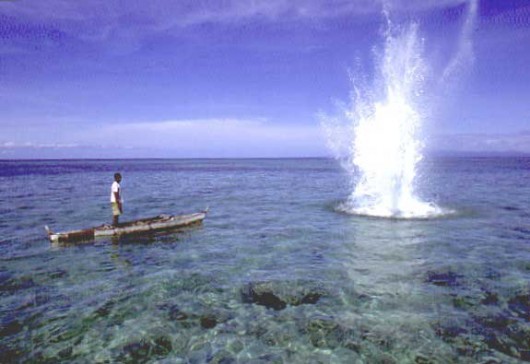 Fishermen in Zanzibar used to use blast fishing, which is an illegal fishing technique using explosives to maximize catch. In combination with climate change, blast fishing threatens the coastal ecosystem, Mariculture and the local economy of Zanzibar, Tanzania.
Identifying the problem, the World Bank launches the SWIOFish program to protect priority fisheries in the African region. Guided by the program, increasing fishermen in Zanzibar turn to ecotourism and seaweed farming to conserve the coastal ecosystem, protect Zanzibar’s fisheries and grow the local economy.
“Blast fishing destroys the fish habitats underwater, where fish reproduce, and that has had a big impact, especially on us who use ring nets to fish,” says a 32-year-old fisherman and added that, “the number of fish has drastically reduced we are not able to catch many fish like before.”
“We face many challenges,” says Ramia Tlia, project coordinator of SWIOFish. “Blast fishing ruins the entire ecosystem and biodiversity by turning coral reef into ashes and destroying all kinds of fish species. Illegal fishing by industrial trawlers is another issue that, along with the volatility of climate change, deeply impacts livelihoods in the region.”
In order to conserve the coastal ecosystem and protect the fisheries in the southwest Indian Ocean, the World Bank identified key high-value fisheries and current obstacles to marine fisheries in these areas and launched the SWIOFish program.

The new South West Indian Ocean Fisheries Governance and Shared Growth Program (SWIOFish) is aimed to improve the management effectiveness of selected priority fisheries at the regional, national and community levels. It contributes to the World Bank Group’s corporate goals of ending extreme poverty and promoting shared prosperity in a sustainable fashion.
The program includes Comoros, Madagascar, Mauritius, Mozambique, Tanzania and Seychelles. SWIOFish in Tanzania, for example, focuses on tuna, prawns, small pelagics, octopus, reef fisheries and mariculture, such as seaweed, so as to strengthen the local employment on the economy of fisheries and mariculture.
Seaweed fishing was established a long time ago in Zanzibar and has been one of its key exports since the early 1990s. However, due to climate change, the slowly-warming water reduces seaweed. Last year, they lost four tons of seaweed due to warmer weather. In order to conserve the coastal ecosystem, fishermen in Zanzibar embrace seaweed farming and advocate ecotourism.
The SWIOFish program is based on coastal community involvement and cooperates with the government in the daily management of marine resources. The opportunities of ecotourism have increased since communities started participating in the management of the Menai Bay Conservation Area, which is a popular haven for whale tourism, fishing and diving, and Jozani Chwaka Park, which is famous for its mangroves and rare Colobus Monkeys.
Based on the good governance from SWIOFish program, ecotourism and seaweed farming, it’s possible to transform livelihoods, protect fisheries and develop the economy-based, local fisheries sectors in Zanzibar.
– Shengyu Wang
Photo: reefkeeping
