How Solar Backpacks in Botswana Help Students
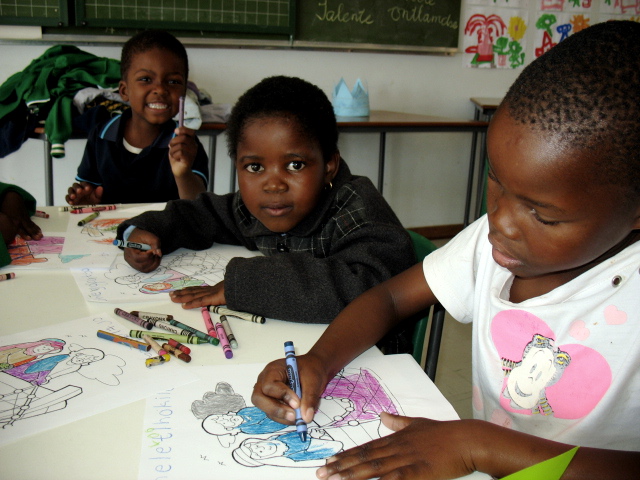 Botswana is a country in sub-Saharan Africa with an estimated population of 2.5 million people, one-third of whom live in rural areas. The nation has a power supply problem and still imports power from other Southern African countries to meet its needs. Although 77% of people living in the urban area of Botswana have access to power supply, 63% of those in rural areas still find it difficult to access electricity. To ease the impact of a lack of electricity on the nation’s rural schoolchildren, a local electrical engineer developed solar backpacks in Botswana.
Inadequate Power Impacts Academic Performance in Botswana
Across various African countries, academic performance tends to be higher among children living in urban areas compared to those in rural areas, often due to differences in access to social amenities, such as electricity. Many students in rural areas face long commutes to and from school, often resulting in limited time to complete assignments and study. Additionally, inadequate access to reliable sources of light, such as electricity, can further exacerbate this challenge. The consequence of this is that students in rural areas are not able to compete with their urban counterparts on a level playing field.
Solar Backpacks to the Rescue
Harnessing the potential of solar power in Botswana, Kedumetse Liphi, an electronic engineer and entrepreneur from Botswana, developed the Chedza solar backpack. Liphi recognized the impact of poverty on accessing resources and studying in rural areas. The idea for the solar backpack came after meeting a student from a low socio-economic background and realizing the potential of the abundant sunlight available during the day.
The durable backpack is made out of waterproof canvas and features a solar panel that absorbs light. It also includes an LED light and a USB port for charging small devices. The solar panel can store up to six hours of energy from the sun, making it possible to power digital devices for online learning.
Each backpack sells for $54, and as of March 2023, Liphi has sold more than 100 backpacks. While this price may be high for impoverished individuals in rural areas, efforts are underway to make the backpack more accessible through donations and partnerships with government and non-governmental organizations. One such organization, Botswana-based Dare to Dream, has already purchased 33 bags for its Science, Technology, Engineering and Mathematics (STEM) program for girls.
The Ministry of Local Government and Rural Development together with the Botswana Power Corporation and the First National Bank joined forces in launching a solar-powered backpack initiative in 2019. The initiative officially launched in August 2019 at the Ramonaka Primary School in the Kgatlend district. The initiative is also targeting other rural areas in Botswana. The solar backpacks in Botswana will support the educational activities of children at home and allow them to complete homework after daylight.
Hope for the Future
Solar backpacks in Botswana will not only help underserved schoolchildren pursue academic excellence but will also positively impact the environment by relying on renewable energy sources.
Botswana’s solar backpack initiative aims to improve educational outcomes among rural school students. By providing access to an alternative power source, educational success can become a possibility for these students. Overall, Botswana is working toward a brighter, more sustainable future for its youth.
– Chidinma Nwoha
Photo: Flickr
