Updates on SDG 8 in the Maldives
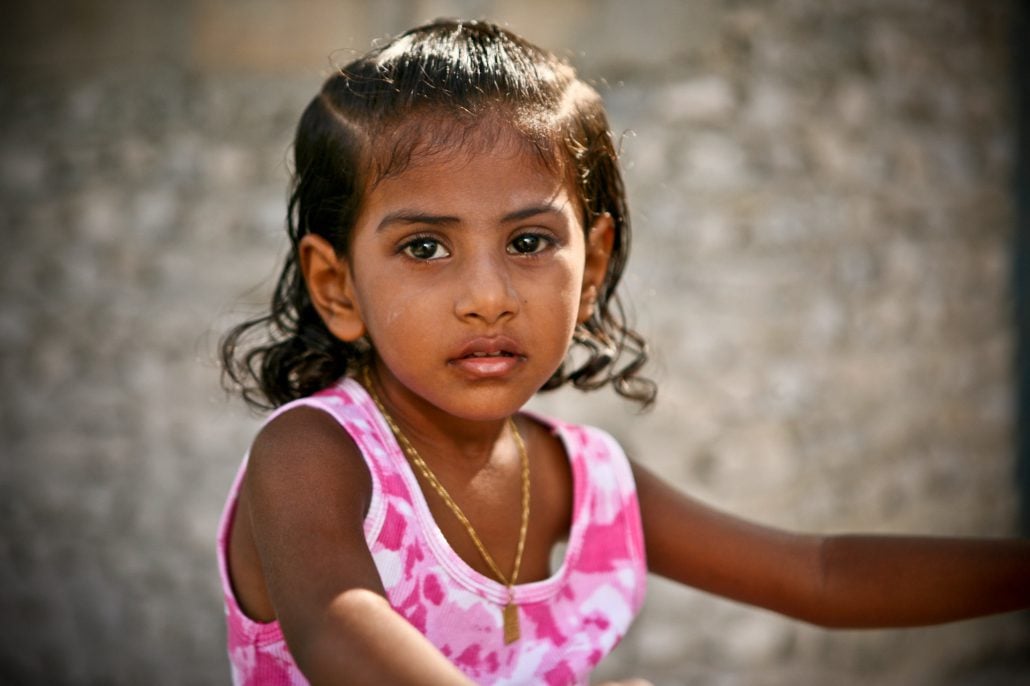
The Maldives is an archipelago of more than 1,000 islands located in the Indian Ocean. The Maldives has the longest chain of coral atolls in the world and a rich and unique marine biodiversity. Tourism and fishing drive the economy, with tourism representing about 21% of GDP. The country is among the 193 nations that took the pledge in September 2015 to achieve the 17 Sustainable Development Goals (SDGs) by 2030, and it is ranked 63rd out of 169 countries in the 2026 SDG Index.
The Sustainable Development Goals are a roadmap of 17 goals that the United Nations initiated, which call on all nations to join efforts to end all forms of poverty, ensure equality and take action to protect the planet, while making sure that no one is left behind. Therefore, the UN in the Maldives has been working tirelessly with the Maldivian government to achieve the SDGs, and this article will particularly pinpoint the updates on SDG 8 in the Maldives.
SDG 8
Within the framework of the 17 Sustainable Development Goals, SDG 8 highlights decent work and economic growth. This goal has been established to promote sustained, inclusive and sustainable economic growth. Hence, SDG 8 encompasses 12 targets that are meaningful for achieving the goal. Among those targets are the promotion of youth employment, their education and their training; the protection of labor rights, and the promotion of safe working environments; the promotion of beneficial and sustainable tourism; and the promotion of full employment and decent work with equal pay. In achieving SDG 8 in the Maldives, the government took several actions, such as empowering policies for women’s economic growth through the development of small and medium-sized enterprises (SMEs) and the tourism sector, as well as accelerating economic diversification.
The Importance of Tourism and Fisheries
The Maldives has a successful development story. Economic growth combined with the expansion of social services and infrastructure development has allowed the country to sustain poverty reduction, human development, and socio-economic progress over the past 30 years. Nonetheless, almost a third of the population is poor across several dimensions, even if income poverty is relatively low in the Maldives. As a Small Island Developing State (SIDS), the Maldives is highly vulnerable to climate change and other environmental hazards that impact its economy. To this extent, the resilience of its economy and society depends on a significant reliance on natural resources.
In 2025, the real GDP grew by an estimated 6.3%, driven by strong tourist arrivals and a recovery in fisheries. Tourist arrivals increased by 9.8% and reached their peak of 2.25 million in 2025. In 2026, after a strong start, tourism performance declined. In February, an increase of 15.7% was recorded in tourist arrivals, but it declined by 20.7% in March and 24.4% in April due to disruptions caused by the conflict in the Middle East, including airspace closures and flight cancellations. Year on year, as of May 13, 2026, tourist arrivals were down 5.4%.
Concerning fisheries, the other economic pillar of the Maldives, exports have increased by 91.8% in 2025, with 76,360 metric tons of fish exported. This rise in fish exports is due to an increase in frozen tuna exports. The largest share of the Maldives’ exports is still fish and fish products, according to the numbers. Consequently, the government’s key priority is to increase revenue from the fisheries sector and strengthen its contribution to the economy.
Overall, those two pillars of the Maldivian economy are vital for its growth and development. On one hand, the tourism sector is the main employer in the Maldives and enhances related industries such as construction, transportation and retail; on the other hand, fisheries also provide employment and community livelihoods to many Maldivians living in rural and island communities.
The MEERY Project
The COVID-19 long-term effects on the Maldivian economy have led to numerous challenges, encompassing limited job prospects for the youth. In 2020, the youth unemployment rate was 17.7% due to a competitive job market and a lack of employment opportunities. To address youth unemployment, the MEERY (Maldives: Enhancing Employability and Resilience of Youth) project, a five-year initiative jointly implemented by the Ministry of Higher Education, Labor and Skills Development, the Ministry of Economic Development and Trade, and the World Bank, launched in 2019 and is now in its final phase.
The MEERY is a $20 million USD project that receives funding from the World Bank to “improve the relevance of technical and vocational skills and foster entrepreneurship to promote youth employment in project priority sectors.” The project’s focus is to equip youth in the Maldives with tools, training, and the opportunities they need to be successful in a rapidly evolving job market. The MEERY project also addresses skills gaps and gender equality in the job market by providing women with more opportunities to contribute to the national economy. It also prioritizes tourism, tourism-related construction, agriculture and ICT sectors.
A Supportive Policy Landscape, Slowly Evolving for Women
In recent years, the Maldives has made significant advancements in women’s education and empowerment. The archipelago has one of the highest female literacy rates in South Asia, and more women are graduating and entering the workforce than in the past. Nevertheless, the female labor force participation rate is 40.7% compared to 76.4% for males, while the female rate is also below the global female labor force participation rate of about 48.9% in 2025.
To reverse these disparities and achieve SDG 8, the Maldivian government has implemented the National Gender Equality Action Plan (2022-2026), developed under the Gender Equality Action Act of 2016. The plan lists strategic goals to promote equal participation in governance, economic development, and protection from gender-based violence. This plan has enabled a 33% quota for women in local councils, which has led to an increase in women’s political representation at the local level.
The government also enacted policies that promote gender equality, including a flex policy that offers women working for the government six months of paid maternity leave, a significant support that eases the process for women to re-enter the workforce after giving birth. Besides, civil society organizations are actively advocating for women’s rights and providing support for female entrepreneurs, opening the way for more companies to recognize the value of gender-diverse workforces. Consequently, investing in women in the Maldives is an economic strategy. By harnessing the full potential of its women, the Maldives is building the foundation of a more resilient, inclusive and dynamic society, which is imperative for national progress.
Looking Ahead
To conclude, the updates on SDG 8 in the Maldives show that the country is continuing to work toward decent work and economic growth while significant economic and employment challenges remain. Ranked 63rd out of 169 countries in the 2026 SDG Index, the Maldives is striving toward its economic growth by investing in its youth and women, important pillars of Maldivian society. By also investing in the development of tourism and fisheries, other vital pillars of its.
– Milcah Yann
Milcah is based in Chicago, Illinois, USA. She is focused on Technologies and Solutions, and Global Health for The Borgen Project.
Photo: Flickr
