Social Media and Rule of Law in Northern Ireland
 On June 8, 2026, a Sudanese man stabbed another man in Belfast. Numerous videos captured the attack, and people quickly shared them across social media. By the following day, the footage had been viewed and reshared millions of times, fueling speculation and further undermining the already fragile rule of law in Northern Ireland. Social media not only fueled speculation but also mobilized large groups of, in many cases, teenage boys and young men. On the evening of June 9th, these groups rioted across the city.
The violence that followed has been described as both “race riots” and “race-based pogroms.” Rioters went door to door searching for homes occupied by immigrants, intending to set them on fire. In several cases, they succeeded. According to The Irish Times, the violence forced 27 people from ethnic minority communities to flee their homes.
Fragility and the Rule of Law in Northern Ireland
Belfast is no stranger to demonstrating how fragile the rule of law can be. Many communities in Northern Ireland feel marginalized, powerless and ignored by political leaders. As a result, some people place their trust in violent paramilitary organizations that exploit these grievances and deepen divisions within their communities. Exactly one year earlier, on June 9th, 2025, Northern Ireland witnessed a similar breakdown in the rule of law after authorities charged two Romanian Roma teenagers with the rape of a young girl. Rioters again targeted immigrants, burned homes and clashed with police.
Politicians from across Northern Ireland’s political divide condemned the violence and called for calm. Since then, The Guardian has reported that police have arrested 19 people for their alleged involvement in the riots, including a 16-year-old boy.
While misinformation helped spark the violence, it does not solely explain why people were so quick to participate. Most of the riots unfolded in communities that have experienced long periods of deprivation, political alienation and limited economic opportunities. These conditions make communities more susceptible and reliant on groups and individuals who exploit fear, resentment and social division for their personal gain.
How Poverty Affects Northern Ireland
Paramilitary organizations are most prevalent in Northern Ireland’s most deprived communities. Around 12% of the population lives in absolute or relative poverty. Although this figure has fallen compared with previous years, it remains the highest poverty rate in the U.K. These organizations thrive in areas affected by poverty because they often operate as alternative authorities for people who feel excluded from mainstream politics. Northern Ireland has also historically experienced higher levels of worklessness than the rest of the U.K., with 31% of working-age people not in employment. Raising living standards and expanding economic opportunities would reduce the dependence some communities place on these organizations.
How Is Northern Ireland Tackling Poverty?
In 2025, the Northern Ireland Executive published its Anti-Poverty Strategy. However, charities including Save the Children strongly criticized the strategy for lacking clear priorities, funding, an action plan, measurable milestones and accountability. Around 200,000 people face hunger and hardship, while approximately one in five households across Northern Ireland experience food insecurity. In 2025, the Trussell Trust and its network of food banks distributed 67,851 emergency food parcels. Although this represented the lowest annual total since 2020, it still highlights the significant level of need across the region.
Standing Against Violence
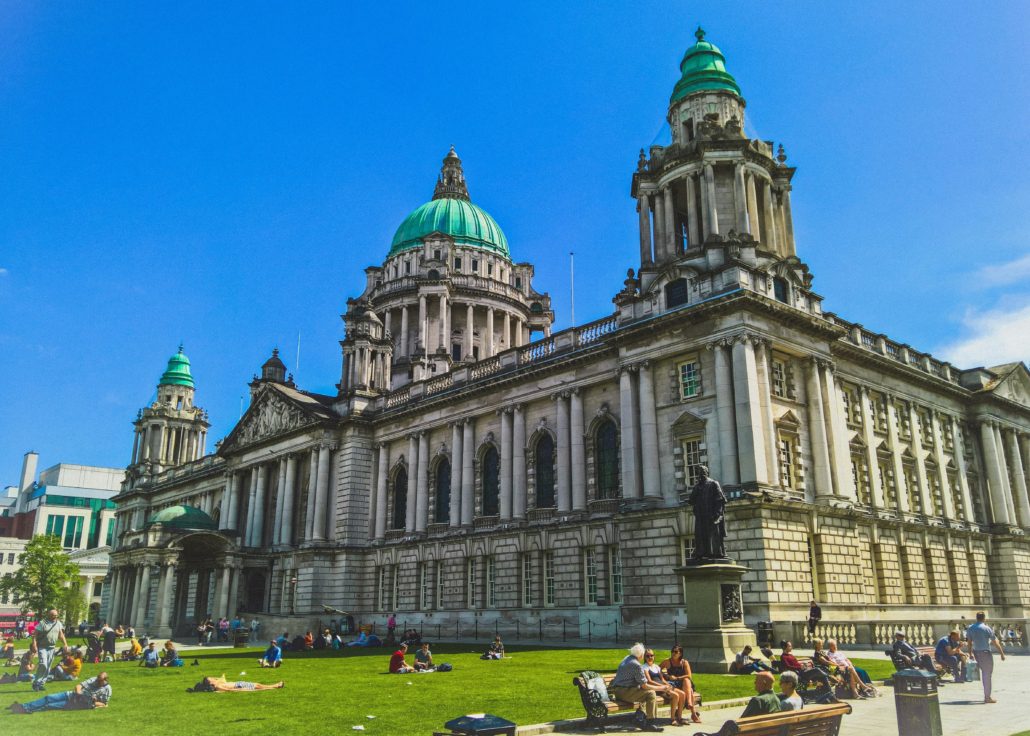
On Saturday, June 13, large counter-protests took place in both Belfast and Derry/Londonderry. More than 20,000 people attended the Belfast demonstration alone. The atmosphere reflected solidarity and unity as people from different communities and backgrounds stood together against the violence. After the riots ended, residents helped board up damaged buildings and clear the streets. Among the crowd gathered outside City Hall, one placard summed up the mood: “Riots don’t speak for Belfast.”
– Michael Willis
Michael is based in Belfast, Northern Ireland and focuses on Politics for The Borgen Project.
Photo: Unsplash
