Food Systems in Northern Ireland Are Growing Stronger
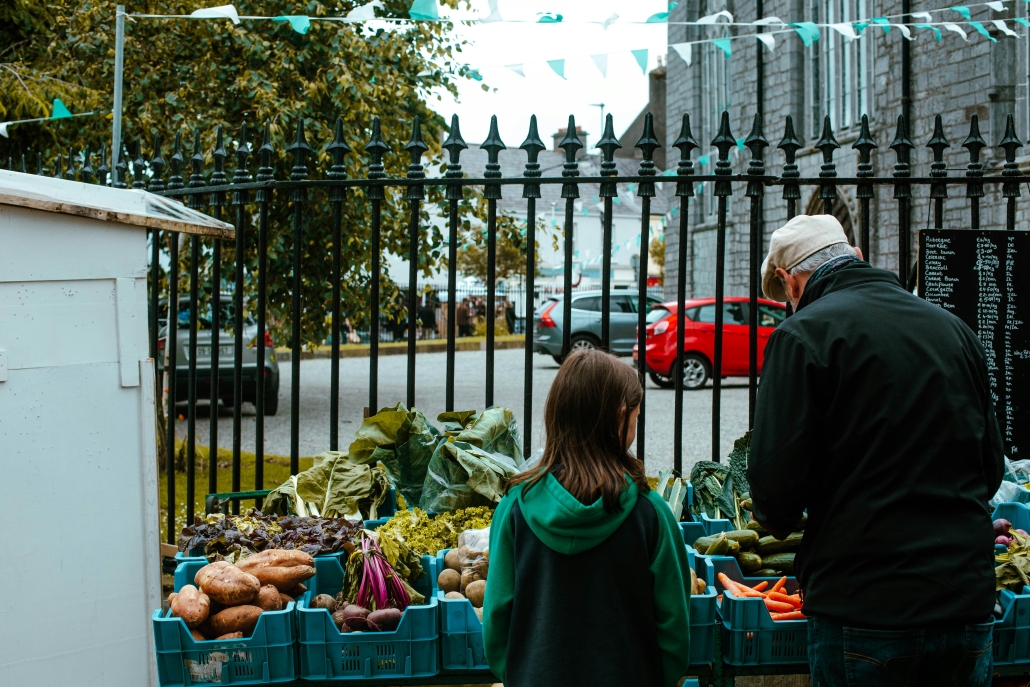 Northern Ireland is a region of the United Kingdom (U.K.) made up of six counties on the northeast side of the island of Ireland. The Government of Ireland Act separated Northern Ireland from the independent Republic of Ireland in 1921. In more recent history, the region has struggled with issues of food insecurity. In 2010, an estimated 28% of Northern Irish adults and 23% of their children were experiencing food poverty. However, the situation has drastically improved, with only 9% of households in Northern Ireland reporting food insecurity concerns as of 2025. Here are some factors that have helped improve food systems in Northern Ireland in recent years:
1. Brexit
In January 2020, the United Kingdom withdrew its membership from the European Union. The U.K. signed the Brexit referendum four years prior, in 2016. Brexit has caused a variety of financial effects, some positive and some negative. It has also enabled the U.K. to create more tailored legislation targeting the roots of food insecurity across the country.
The U.K. Department for Environment, Food & Rural affairs released a statement in July 2025 detailing plans for new food systems legislation to combat hunger and malnourishment specifically affecting children and rural populations. This food strategy aims to create a “good food cycle” by uplifting British farmers, improving agrifood trade relations with the European Union and combat biodiversity loss to allow for more balanced diets. After separating from the EU, the U.K. has shifted its focus to reprioritize food systems at a nationwide level that support its citizens financially and physically.
2. Increased Community Involvement
The Food, Farming & Countryside Commission (FFCC) has directed its attention to amplifying the voices of community members and local farmers in order to strengthen food systems in Northern Ireland. The FFCC has been operating as an independent commission since 2017. In the last two years, it has succeeded in bridging communication between the U.K.’s citizens and government through initiatives such as The Food Conversation and reports including “The False Economy of Big Food” and “Paying the Price.” The action items the FFCC is currently prioritizing include:
- Increasing trust between the FFCC, Northern Irish Farmers and Northern Irish people by assembling meetings across various sectors of government and community leadership.
- Fostering relationships and networks of support between farmers across the region. This includes educational opportunities to increase Northern Ireland’s agricultural production.
- Bringing citizens and government leaders together for important discussions on what the people want and need from their food systems.
- Establishing and implementing a common Land Use Framework across Northern Ireland’s estimated 25,000 farms.
3. Technological Innovation
Improving technologies in the agriculture and supply chain sectors have a high potential to continue improving the efficacy of food systems in Northern Ireland and globally. One example of a recent promising innovation for Northern Irish food security is the Food Co-Centre Conceptual Framework which Oxford University researchers developed at their Environmental Change Institute. The Institute launched this framework in 2025 and aims to deliver “environmental, economic and social stability by 2050” through tracking all stages of food production and distribution in Northern Ireland and optimizing the process by metrics of sustainability and affordability.
Dr. Alice Gilmour is the lead author of the study responsible for designing the Food Co-Centre Conceptual Framework. When asked about what the framework will help to accomplish, she stated:
“This framework will help policymakers and food systems stakeholders avoid a siloed approach as it provides the wider context of the entire food system. It brings together insights from industry, NGOs, government, and academia to guide smarter, more sustainable decisions.” This new technology is capable of identifying gaps in the food systems of Northern Ireland and the U.K. more broadly and problem-solving outside of the often “siloed” thinking of regulatory bodies. With this information, the Food Co-Centre Conceptual Framework will suggest more informed and optimally beneficial solutions for governmental, industry and research approaches to how the U.K. grows and distributes its food.
Looking Ahead
Food insecurity and malnutrition rates in Northern Ireland have improved by 14% for children and 19% for adult populations in the past decade. These positive margins come as a direct result of increased community involvement, implementation of new technologies and reformed socioeconomic policies that better reflect the U.K.’s specific interests. Initiatives like the ones highlighted in this article project to minimize and hope to eradicate food insecurity and strengthen food systems in Northern Ireland and across the U.K. within the next two decades.
– Natalie Naylor
Natalie is based in New York, NY, USA and focuses on Good News and Global Health for The Borgen Project.
Photo: Unsplash
