• Link to X
  • Link to Facebook
  • Link to Instagram
  • Link to TikTok
  • Link to Youtube
  • About
    • About Us
      • President
      • Board of Directors
      • Board of Advisors
      • Financials
      • Our Methodology
      • Success Tracker
      • Contact
  • Act Now
    • 30 Ways to Help
      • Email Congress
      • Call Congress
      • Volunteer
      • Courses & Certificates
      • Be a Donor
    • Internships
      • In-Office Internships
      • Remote Internships
    • Legislation
      • Politics 101
  • The Blog
  • The Podcast
  • Magazine
  • Donate
  • Click to open the search input field Click to open the search input field Search
  • Menu Menu
Blog - Latest News
Economy, Global Poverty, Government

Prison and Poverty

Prison and Poverty
The incarcerated population of the United States has reached over 2.3 million, making the U.S. incarceration rate the highest in the world, housing more inmates than the top 30 European nations combined.  Mass incarceration strategies were put in place, in part, to reduce crime in poor neighborhoods, but decades after their initial implementation, individuals and communities continue to suffer.

Researchers attribute some of the large increases in prison populations to longer mandatory sentencing.  Going hand in hand with longer sentencing is the fact that the incarcerated population is disproportionately concentrated among young minority men with very low levels of education.   For instance, black men experience 20% longer prison sentences than white men for similar crimes.

When people are in their twenties and are locked up for 10 to 15 years, they not only adapt to the extreme culture of prison, but when they exit, they will find it hard to assimilate into normal society.  Moreover, the slim job prospects many people faced before going into jail are worsened upon release.

Sociologists have found that once one takes into account the various socioeconomic factors, incarceration typically reduces annual earnings by 40% for the former average male prisoner.  This does not include wages lost while behind bars or the burdens endured by the prisoner’s family and community during the stint.

Prison has such a debilitating impact on the U.S. that taxpayers end up spending over $50 billion annually on maintaining the system of incarceration.  Without the significant incarceration efforts made by the U.S. government, researchers calculate that the nation’s poverty rate would be 20% below the current level, equaling to roughly 9 million people who would be less reliant on subsidies and assistance programs.  These same people would add to the tax base and make up potential consumers of American products.

Furthermore, slightly under half of federal prisoners are in jail for drug crimes and nearly half of all prisoners in state prisons are there for non-violent offenses.  As a result, the Obama administration has recognized the moral and economic need to curb prison populations.  In 2013, Attorney General Eric Holder Jr. announced policies that would increase the use of drug-treatment programs as alternatives to incarceration while expanding another program which releases inmates who committed non-violent crimes and have served significant portions of their sentences.

The experiment of mass incarceration in the name of public safety has been a clear detriment to American society.  Rather than throw away money and effort to a system that perpetuates unemployment, poor health, family instability and other conditions of poverty, the U.S. must focus on social policies that improve opportunities for those on the lower pegs of the socioeconomic ladder.

– Sunny Bhatt

Sources: New York Times, National Public Radio, Bureau of Justice Statistics

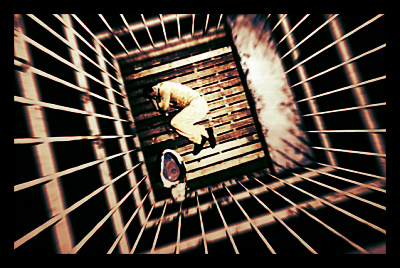
Photo: Barnard.edu

January 24, 2014
Share this entry
  • Share on Facebook
  • Share on X
  • Share on WhatsApp
  • Share on Pinterest
  • Share on LinkedIn
  • Share on Tumblr
  • Share on Vk
  • Share on Reddit
  • Share by Mail
https://borgenproject.org/wp-content/uploads/borgen-project-logo.svg 0 0 Borgen Project https://borgenproject.org/wp-content/uploads/borgen-project-logo.svg Borgen Project2014-01-24 17:48:492014-01-24 17:48:49Prison and Poverty

Get Smarter

  • Global Poverty 101
  • Global Poverty… The Good News
  • Global Poverty & U.S. Jobs
  • Global Poverty and National Security
  • Innovative Solutions to Poverty
  • Global Poverty & Aid FAQ’s
Search Search

Take Action

  • Call Congress
  • Email Congress
  • Donate
  • 30 Ways to Help
  • Volunteer Ops
  • Internships
  • Courses & Certificates
  • The Podcast
Borgen Project

“The Borgen Project is an incredible nonprofit organization that is addressing poverty and hunger and working towards ending them.”

-The Huffington Post

Inside The Borgen Project

  • Contact
  • About
  • Financials
  • President
  • Board of Directors
  • Board of Advisors

International Links

  • UK Email Parliament
  • UK Donate
  • Canada Email Parliament

Get Smarter

  • Global Poverty 101
  • Global Poverty… The Good News
  • Global Poverty & U.S. Jobs
  • Global Poverty and National Security
  • Innovative Solutions to Poverty
  • Global Poverty & Aid FAQ’s

Ways to Help

  • Call Congress
  • Email Congress
  • Donate
  • 30 Ways to Help
  • Volunteer Ops
  • Internships
  • Courses & Certificates
  • The Podcast
Link to: World Bank Criticized for its 2009 Honduran Loan Link to: World Bank Criticized for its 2009 Honduran Loan World Bank Criticized for its 2009 Honduran Loan Link to: Educating Women: An Efficient Angle Towards Solving Global Poverty Link to: Educating Women: An Efficient Angle Towards Solving Global Poverty Educating Women: An Efficient Angle Towards Solving Global Poverty
Scroll to top Scroll to top Scroll to top