Innovations in Poverty Eradication in Timor-Leste
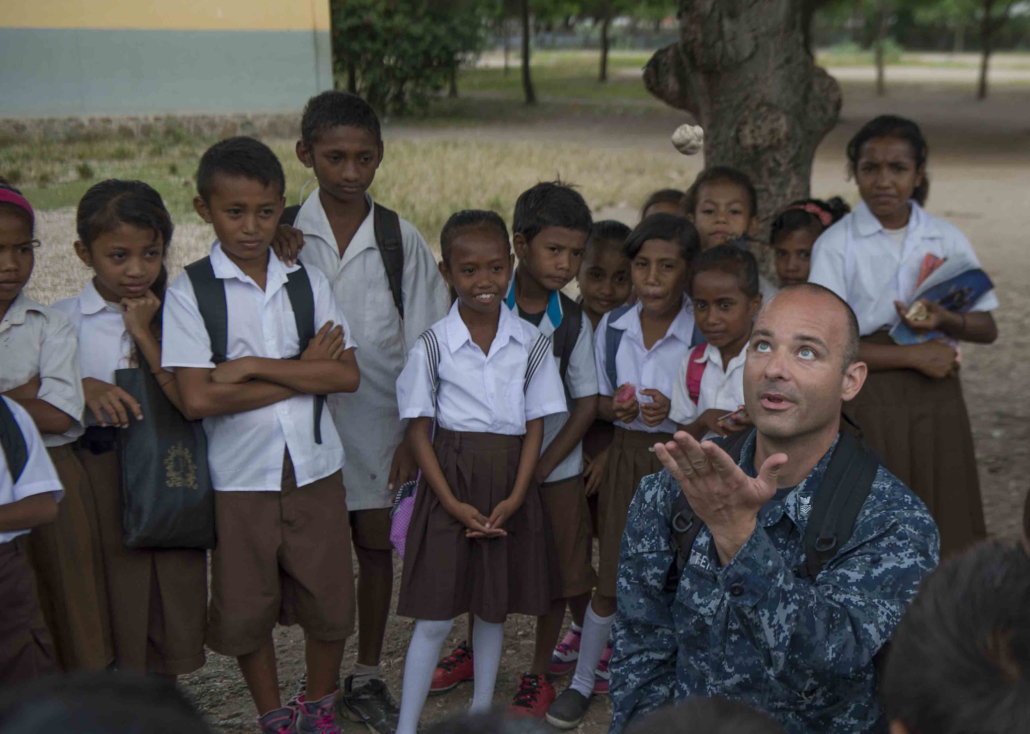 Timor-Leste is a Southeast Asian nation with a population of more than 1.4 million people. The country, bordered by Indonesia and Australia, continues to face significant development challenges, particularly high levels of poverty. Researchers classify approximately 48.3% of the population as multidimensionally poor, and in 2024, 16% of the employed population lived on less than $2.15 per day.
In recent years, the government of Timor-Leste launched an ambitious and comprehensive poverty eradication program to improve living standards and promote inclusive economic growth. These efforts present some of the most important innovations in poverty eradication in Timor-Leste. A central pillar of this effort is the Doha Programme of Action (DPoA). Government officials and International partners support this framework through a range of interconnected initiatives spanning social protection, education, economic diversification and overall institutional strengthening. Together, these complementary measures create a coordinated program aimed at alleviating poverty in Timor-Leste.
Putting the People First
In 2025, the United Nations published a report on poverty in Timor-Leste that outlining several key strategies the country uses to address its persistent development challenges. The first approach prioritizes strengthening the resilience and well-being of Timorese communities. One of the flagship initiatives is the Bolsa da Mãe Kondisional programme, which provides “[…] conditional cash transfers to low-income families.”
Under this initiative, eligible households receive regular financial assistance. These conditions often include ensuring children attend school consistently, participate in routine health check-ups, receive essential vaccinations, and are provided with weekly food supplies. In 2025, the program boasted an intense turnout, reaching more than 74,648 households, with particular focus on vulnerable mothers and children.
Beyond direct income support, DPoA efforts also target the structural causes of poverty, particularly through education reform and investment. The World Bank Group, through the International Development Association (IDA), partnered with the Timorese government to rehabilitate 2,780 classrooms across 535 schools and construct 102 new educational facilities. As a result, primary school completion rates increased from 56% in 2015 to approximately 62% in 2020. In more recent years, primary and secondary school enrolment rates have also improved drastically, with dropout rates falling by 50%. Higher levels of educational attainment now strengthens the foundation for future employment opportunities, helping more young people access the skills they need to participate in the workforce. Hence, these education-driven initiatives represent key innovations in poverty eradication in Timor-Leste, by fundamentally addressing long-term inequality by investing in human capital.
“Better” Lifestyles Through Innovation
Beyond traditional, on-the-ground development initiatives, rapid technological advancement now plays an increasingly important role in transforming Timor-Leste into a more digitally connected society. This digital expansion helps reduce poverty by widening people’s access to information, services and economic opportunities, representing yet another example of key innovations in poverty eradication in Timor-Leste.
The period between 2024 and 2025 marks a pivotal phase in the country’s digital infrastructure development. The government and its partners installed a fibre-optic underwater cable linking Timor-Leste to Australia, enabling the country to transition from a costly and unreliable satellite to faster and more affordable broadband connectivity. In addition, the launch of a Starlink license for Timor-Leste in late 2024 has “[…] provided immediate connectivity to remote rural areas that were previously excluded from the digital economy.”
This growing technological infrastructure now allows more people to access online education, digital financial services, remote employment opportunities and government platforms has become increasingly more apparent with the help of this growing technocratic sphere in Timor. By the end of 2025, internet penetration reached 40.4%, with more than 575,000 active users nationwide.
Conclusion
Timor-Leste illustrates a rich context in which poverty reduction is gradually taking shape. The country strategically combines targeted social protection programmes, such as the Bolsa da Mãe “Kondisional,” with technological advancements and frameworks like the Doha Programme of Action, to steadily transform poverty management strategies. These efforts are not only alleviating immediate hardships but also lay the foundation for long-term, sustainable development.
– Sophia Lupo
Sophia is based in London, UK and focuses on Good News and Technology for The Borgen Project.
Photo: Flickr
