Tackling Period Poverty Among Adolescents in Laos
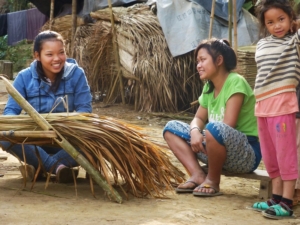 Period poverty, defined by the American Medical Women’s Association as having “inadequate access to menstrual hygiene tools and education, including sanitary products, washing facilities and waste management,” is a prominent issue affecting adolescents in Laos. A 2020 study published in PLOS One Journal revealed that period poverty in Laos is disproportionately impacting adolescent girls in the country’s rural northern regions, leading to high rates of school absenteeism due to menstrual-related matters.
It is a lack of standardized, thorough and timely menstrual health education, as well as a lack of menstruation-accommodating restrooms in Lao schools that perpetuate period poverty and further propagate social stigmas surrounding menstruation among Lao adolescents.
The Core Problems
PLOS One Journal study, “Menstrual Health and Factors Associated with School Absence Among Secondary School Girls in Luang Prabang Province, Lao People’s Democratic Republic: A Cross-Sectional Study,” surveyed 1,366 high school girls across six schools in the Luang Prabang Province in Northern Laos regarding their experiences with menstruation. The results showed a desperate need for earlier, more comprehensive menstrual health education for Lao girls, as well as improved restroom infrastructure for menstruating students. The Lao public education system does include a brief menstrual education course for ninth-grade girls.
However, the education system not only provides limited and highly oversimplified information but also often delivers it too late. About 28% of the girls participating in this study reported that they had absolutely no knowledge about menstruation before their first period. This lack of knowledge often leaves girls feeling confused and fearful about this normal bodily function, and girls who never learned proper menstrual hygiene feel as though they must miss school and other daily activities.
Many Lao girls have also become accustomed to associating menstruation with a form of shame or punishment, with 68% of girls in this study believing that menstruation was the body’s way of getting rid of a woman’s “bad blood,” and 65% of these girls reporting feelings of embarrassment regarding their menstrual cycle.
Aside from inadequate menstrual health education, improper restroom infrastructure and resources often leave menstruating Lao students feeling uncomfortable or unable to engage in proper menstrual hygiene in school facilities. Four out of the six schools that this study examined did not have restrooms for separate genders, leaving many menstruating students to feel embarrassed about their cycles and disposal of menstrual products around students who do not menstruate.
Additionally, the restrooms in four out of six schools were not equipped with waste bins in their bathroom stalls that allowed students to properly dispose of used menstrual products. This lack of waste bins further contributes to the humiliation that menstruating students feel when they have to dispose of their menstrual products publicly and often leads to fear of using school restrooms entirely. An astounding 78% of girls surveyed said that they avoid changing their menstrual products at school, with 65% avoiding school bathrooms entirely.
Confronting the Issues: Solutions from the Lao Government and Plan International
Over the past several years, the Lao government has begun to directly confront period poverty among Laos’ adolescents, looking to improve students’ access to menstrual health education and proper facilities. In 2021, Laos’ Ministry of Education and Sports announced its Education and Sports Sector Development Plan which will provide “comprehensive sexuality education” to students of all education levels, including primary school.
This agenda will ensure that Lao girls receive information about their changing bodies before their first period, alleviating some of the feelings of helplessness and anxiety once menstruation begins. Aside from strengthening national menstrual health education, in 2019 the Lao government enacted the Decision on Water, Sanitation and Hygiene Standards for Early Childhood Education and General Education, which, over time, will construct gender-segregated restrooms in all Lao schools equipped with proper and private disposal bins for menstrual waste.
While there is still significant progress to be made with this initiative, with the help of UNICEF Laos has integrated menstrual health indicators into the country’s education management information system, allowing for the project’s progress to be strictly monitored.
Outside of government intervention, humanitarian organization Plan International has partnered with sustainable period brand Modibodi to provide the women of rural northern Laos with thorough menstrual health education, as well as a sustainable solution to menstrual hygiene. Throughout 2022, Plan International and Modibodi delivered their menstrual health education program to 4,450 Lao women and adolescents. Additionally, Modibodi donated 22,000 pairs of its reusable period underwear to these women, which not only lessens the continuous burden of affording sanitary pads or tampons but also makes menstrual hygiene much simpler, particularly for students.
A Continuous Effort
The efforts to alleviate period poverty among adolescents in Laos are fairly nascent, meaning the country can make much more progress. The Lao government has taken positive steps by introducing comprehensive sex education at all education levels, improving restroom facilities in schools and showing a commitment to addressing this issue at a systemic level. Furthermore, the collaboration between Plan International and Modibodi has strengthened menstrual health education for the women of northern Laos and has provided sustainable menstrual hygiene solutions. These efforts must be sustained to ensure that no Lao students miss out on their education due to feelings of embarrassment or inadequate menstrual hygiene resources.
– Reagan McDaniel
Photo: Flickr
