One Health: Protecting People by Protecting Nature
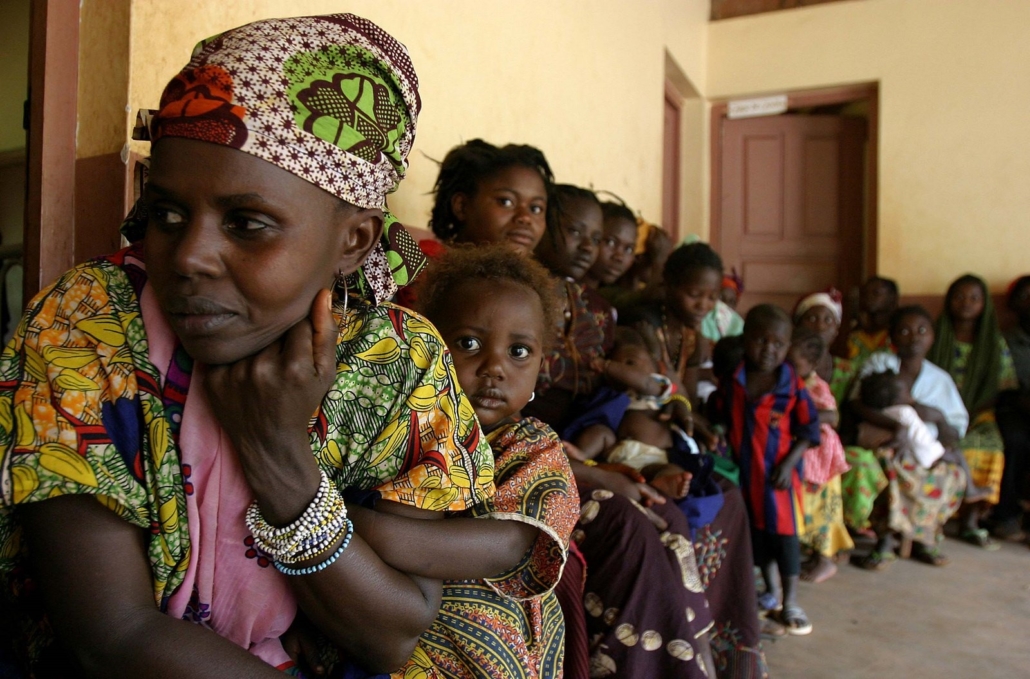
For those living in wealthy nations, infectious diseases and foodborne illnesses are typically an inconvenience. Improvements in healthcare technology, including widespread vaccinations for once-deadly diseases, can render events such as the COVID-19 pandemic seemingly rare. However, in low-income nations, this is not the case. Around 420,000 people die each year from foodborne illnesses, most commonly children under 5 years old in Africa and Southeast Asia. Here is some information about the causes of disease outbreaks worldwide and the means of disease prevention that people know as One Health.
The Situation
Infectious disease outbreaks have increased significantly from 1980 and include SARS, H1N1, Ebola, MERS, Zika and COVID-19. Additionally, up to 75% of new infectious diseases are zoonotic, meaning they begin in animals and transfer to humans. Some animals, such as bats, are resistant to becoming ill and easily spread diseases that lie dormant in their immune systems.
Zoonoses are more and more common as humans become further integrated with the natural world. Reasons for the increase of zoonoses include:
- Deforestation and Mining: Deforestation and mining destroy habitats and force animal populations closer to civilization. The World Economic Forum estimates that 31% of infectious outbreaks have a link to deforestation.
- Urbanization: Urbanization can foster the dominance of disease-prone species such as white-footed mice.
- Factory Farming: Factory farming harbors large populations of genetically similar animals in unsanitary conditions that are susceptible to disease outbreaks.
- Wet Markets: Wet market merchants often bring exotic species out of their habitats and near humans.
- Tourism of Wildlife: Tourism of wildlife, such as caves that contain bats, risks spreading diseases to humans.
- Bacterial Infections and Antibiotics: While bacterial infections currently pose a minor threat due to the widespread availability of antibiotics, experts warn that modern animal agriculture practices, where farmers give antibiotics to livestock in large doses, are rapidly breeding strains of bacterial diseases resistant to antibiotics. Many of these strains are beginning to pose a threat in medical treatment practices.
One Health
Between foodborne illnesses, antibiotic resistance and zoonotic diseases, it is clear that the well-being of animals closely ties with the well-being of humans. This perspective of disease prevention is known as One Health. The One Health model necessitates considering major environmental and agricultural policy shifts, but people are already taking small steps to directly reduce disease transmission. Health agencies around the world are holding conferences to prioritize zoonotic disease prevention and conducting investigations into the origins of outbreaks.
In Thailand, a team of software developers launched a movement to monitor animal illnesses and contain possible outbreaks of zoonoses. Since 75% of rural Thai households have backyard animals, disease transfer is a major concern. The project, called Participatory One Health Disease Detection, consists of 3,000 volunteers using a smartphone app to report information about sick and dead animals to the project developers, who are veterinarians at Chiang Mai University. The developers are able to detect, investigate and quarantine potential outbreak risks. According to the Gates Foundation, an infectious disease could spread to every global capital in just 60 days, so detecting an outbreak early could save thousands of lives.
Keeping the human population safe from deadly diseases means acknowledging the connections between civilization and animal habitats, especially in high-poverty areas where habitat destruction from resource extraction such as deforestation and mining means that line increasingly blurs. The One Health model sets short-term and long-term goals for monitoring and restoring the health and safety of animals and the natural world.
– Elise Brehob
Photo: Flickr
