Nepal Tourism Recovery Depends on a Relief Fund and a Hashtag
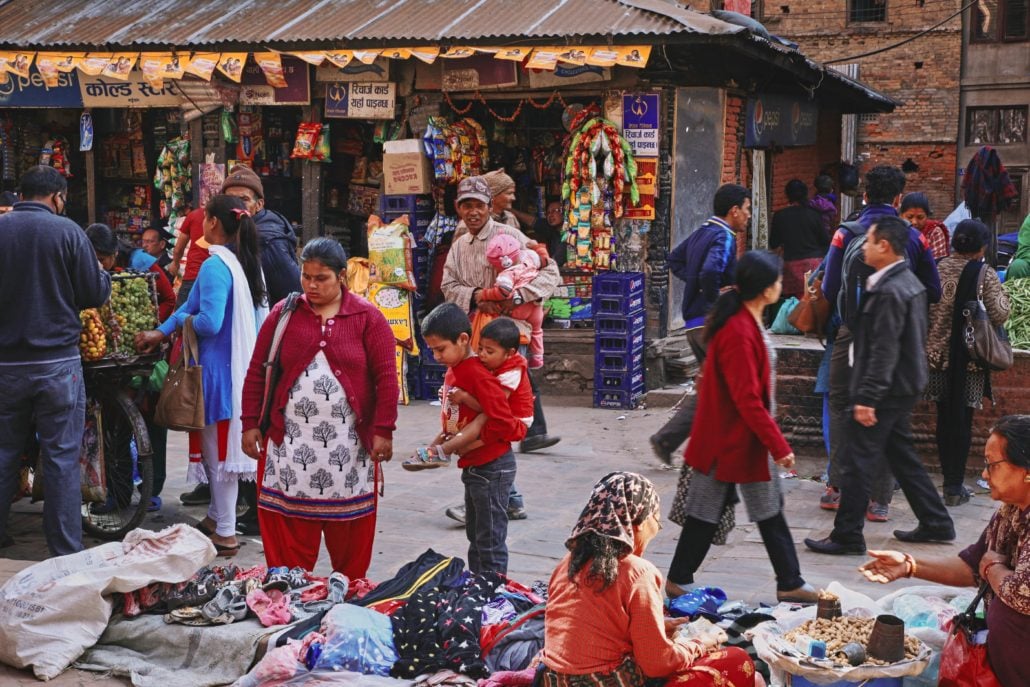
The natural landscape of Nepal makes it a popular destination for international tourists seeking mountain trekking and cultural heritage. However, on Aug. 26, 2026, floods destroyed the Gyirong checkpoint at the Nepal-China border and devastated dozens of villages along a 72-kilometer stretch of the Bhote Koshi and Trishuli rivers.
Nepal has been appealing to international tourists not to cancel their travel plans, and the stakes for Nepal tourism recovery are high. In 2023, tourism directly and indirectly supported 15.2% of Nepal’s employment and contributed 6.6% of its gross domestic product.
Nepal faces a balancing act. Reopening too early could strain flood-hit areas still in rescue and recovery, while waiting too long could endanger communities that depend on tourism, risking further economic hardship. The economic footprint of this disaster could spread to have an even wider national impact, which is why two initiatives have been launched to help the nation rebuild with confidence.
The PATA Foundation
Since the floods, international actors, governments and humanitarian agencies have mobilized relief and rescue support. These missions support Nepal directly, but tourism workers face a separate economic crisis that broader relief may not fully cover.
The PATA Foundation, an independent charitable organization which promotes environmental and cultural heritage preservation across the Asia-Pacific region, has launched the Nepal Tourism Recovery Fund. The fund aims to channel financial assistance to guides, porters, drivers, homestay families and small tourism businesses who lost their homes, equipment and seasonal income in Rasuwa, Nuwakot and Dhading.
It aims to provide practical assistance rather than replace the broader humanitarian relief undertaken by other global actors, and to address a gap that traditional emergency appeals may not fully cover. Funding is intended to refit lodges, homestays and teahouses, and to support equipment for those in need. The main objective is to help affected families regain the means to generate income when travel safely resumes.
On Sept. 21, more than 120 tourism stakeholders gathered in Kathmandu for a workshop focused on crisis communication, coordination and recovery following the flood. Sarah Mathews, a PATA Foundation trustee, proposed a four-stage recovery framework, which promotes parallel national and affected-corridor tracks. The framework recommends keeping operating regions open through a national track and restoring livelihoods in flood-hit areas through a corridor track.
The fund aims not only to support the economic stability of those affected but also to reinforce the message that the floods impacted specific river corridors rather than the entire country. It emphasizes that Nepal remains open for tourism, with travel to operating regions potentially supporting local workers and communities.
#NepalCalling
As the images of the floods continue to circulate, and Nepal enters global conversation as a disaster-hit country, so spreads the image of a country struggling. Tourism entrepreneurs say international news coverage has created a perception that the entire country was unsafe. Dom Himalaya Hotel in Thamel, Kathmandu, reported that 20% of its bookings were canceled in the week after the floods, according to the Kathmandu Post’s Sept. 3 report.
#NepalCalling is a social media campaign to reassure international travelers. According to Campaign Brief, Storm Communications Nepal developed the idea in coordination with the Nepal Tourism Board, and actors as well as ordinary people have taken part. The campaign gives Nepal tourism recovery a critical, unifying message to global travelers, that Nepal is open and ready to welcome tourists.
The campaign frames autumn travel to Nepal not just as a holiday, but as a direct act of financial solidarity to help the nation recover and protect more than a million local tourism jobs. Campaign Brief describes participation by travelers, local people and tourism professionals. A Sept. 29 Kathmandu Post column recommends this kind of real-time local content.
On Sept. 3, Foreign Minister Shisir Khanal told diplomats that airports across the country were operating normally and that Kathmandu, Pokhara, Chitwan, Lumbini, Janakpur, the Annapurna and Everest regions, and Bardiya remained open to tourists, according to the Kathmandu Post. The same report said the Trekking Agencies’ Association of Nepal warned against travel to Langtang, and that the Langtang Valley, Gosainkunda, Helambu Circuit and Tamang Heritage Trail treks were closed or restricted.
Looking Ahead
Nepal tourism recovery depends on coordination: tourism-specific funds on one side, and social media used to overturn public perception on the other. The national and corridor tracks show how Nepal can balance recovery with reopening. As Nepal recovers, slowly and steadily, it remains a country willing and welcoming to tourists as a viable source of income, open to those wanting to travel. Travel to operating destinations can support local incomes, while recovery in flood-hit communities still requires targeted assistance.
– Anjali Pathak
Anjali is based in London, UK and focuses on Good News for The Borgen Project.
Photo: Unsplash
