Kala Azar Disease of the Poor
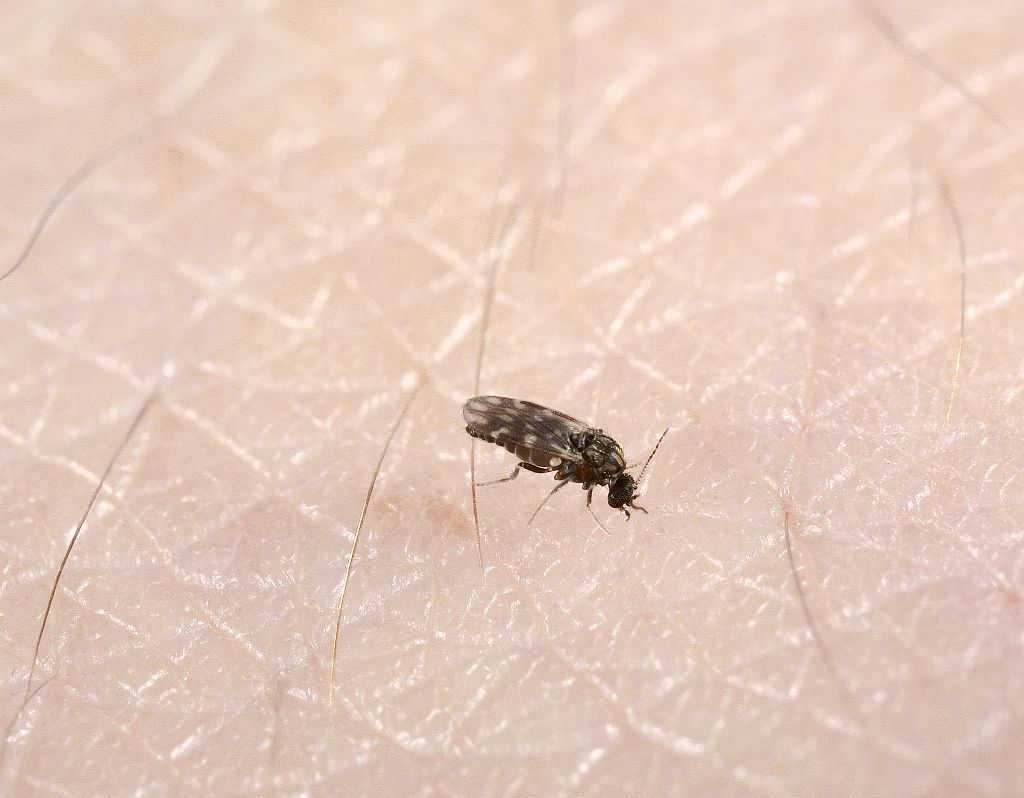 Kala Azar, the second-largest parasitic killer in the world after malaria, is quite deadly. Known as Kala Azar, Black Fever and visceral leishmaniasis, the disease kills 95% of its victims if left untreated. This “Poor Man’s Disease” can be very hypocritical. While this disease infects the poverty-stricken, the treatment is hard to come by, if not impossible. Even if the patient finds a doctor that can treat the disease, the price is astronomical. And sometimes, there is no stopping the contraction of the Black Fever.
The Spread
As the disease transmits through a sandfly bite, Kala Azar preys on the vulnerable. More than 1 billion people are at risk. East Africa, India and even some parts of the Middle East are endemic to Kala Azar. Poor housing conditions and lack of waste management in these countries cause an increase in the bloodthirsty sandflies’ breeding sites. This specific culprit is the female, Phlebotomine sand fly. While just one bite from it can put someone on bed rest for weeks, malnutrition only worsens the situation. For example, low vitamin D, iron and zinc can cause an infection to progress into disease much quicker. If Kala Azar killed the equivalent number of people in the U.S., it would be the third-largest killer, killing more citizens than those who die from strokes.
OneWorld Health
The real fighting began in 2003 with a collaboration between OneWorld Health, the WHO and a 4.2 million dollar grant from the Bill and Melinda Gates Foundation. With this grant and WHO’s resources, OneWorld Health was able to start its final testing to find an affordable cure for Kala Azar and the disease it causes. They are reinventing an old medicine and turning it into the treatment now called paromomycin. “It’s not every day one can say an affordable cure for a deadly disease may be imminent and we believe our approach will be successful,” said Dr. Victoria Hale, founder and CEO of OneWorld Health. It is to be a 21-day treatment and it will be readily available in every Indian clinic and, hopefully, one day, everywhere.
Drugs for Neglected Diseases Initiative (DNDi)
Unfortunately, nothing came of the OneWorld Health drug, paromomycin until February 2019. The Drugs for Neglected Diseases Initiative (DNDi) is fighting to change that. In a press release on the DNDi website, they share that Wellcome, a U.K. based foundation aiming to improve health for everyone, committed 12.9 million dollars for the development of drugs for Kala Azar. They are essentially funding a program that will test pre-existing drugs (that never made it to the world) and choose one to put on the market. DNDi is hoping it to be an oral drug as the drugs taken to fight Kala Azar can be painful and “require patients to take toxic and poorly tolerated drugs — often over a long period and through painful injections,” as said by Dr. Bernard Pécoul, Executive Director of DNDi.
The Impact
There is an estimated 50,000 to 90,000 new cases each year. Most families of the infected do not even go to the doctor, knowing that they will not be able to pay for the treatment. While there are many organizations funding drugs to treat Kala Azar, the cure is not coming fast enough. The current treatment for this parasitic disease is not reasonable. How can a family that can barely provide for themselves spend thousands of dollars on treatment?
The prevention and an end to Kala Azar lie in our hands. Organizations need funding to take preventative measures like spraying for these deadly sand flies, monitoring the epidemics and educating the communities affected by the disease.
– Bailey Sparks
Photo: Wikimedia Commons
