How a Drought Lead to International Aid to Zambia
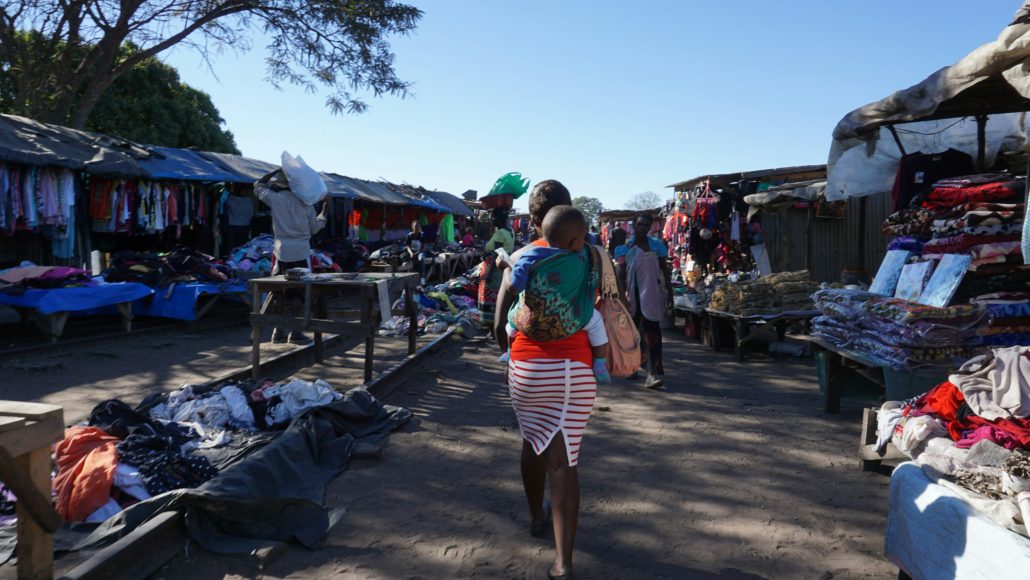 On December 18th, 2024, the World Bank approved assisting the Republic of Zambia. Called the Climate and Economic Resilience Development Policy Financing (DPF), this grant provided financial assistance combating the severe and deadly droughts Zambia was facing. Here is more information about international aid to Zambia.
Poverty in Zambia
Zambia is a landlocked country in Africa. The poverty rate within the country is estimated to be around 64.3%. The rural areas largely make up the high poverty rate. It is estimated that 78.8% of people living in rural areas are in poverty, compared to 31.9% of people living in urban areas. The ramifications for people living under the poverty line has led to a severe restriction of accessing food and clean water, it limits the ability of getting an education and has created one of the largest orphan populations in Africa. A contributing factor for the high poverty rate is the weather and how it causes extreme droughts to the country in recent years.
Causes and Severity of the Droughts
In 2024, Zambia had one of the deadliest droughts in its history. The severity of this drought negatively affected 84 out of 116 districts, leading the President of Zambia to declare a national emergency. Zambia’s long history of droughts occurring is due to the weather climate of El Nino.
The results from the 2024 drought led to rising groceries prices, leading to roughly 2 million Zambians lacking adequate access to food and water. This severe drought also led to power shortages repeatedly occurring and water sources having a high risk of containing harmful diseases like malaria. The repercussions do not end there. The lack of water has led Zambia to be one of the most malnourished countries in the Sub-Sahara, a higher risk for violence towards women and young girls and a higher chance of a girl being married at a young age. All of these challenges indicate a necessity for international aid to Zambia.
The World Bank’s Solution
After the severe drought in 2024, the World Bank agreed to provide international aid to Zambia. The World Bank agreed to financially support the African country by approving a $100 million grant. This money was split into two categories. The $25 million went towards Developing Policy Financing (DPF). The DPF could assist with a country’s budget and debt and could create policy reforms. The DPF also comes with conditions on how to utilize the funds. Regarding this finance support for Zambia, the World Bank outlined the $25 million must be used to:
- Enhance fiscal management
- Promote investments from the private sector
- Toughen disaster risk management
Meanwhile, the $75 million came in the form of a Catastrophe Deferred Drawdown Option (Cat-DDO) to address natural disasters.
The Results
In 2025, Zambia showed several signs of improvement. The country’s GDP per capita rose from 1% to 2.4%. Inflation decreased from 14.8% to 14%. The public debt also decreased from 101% to 87.6%. Zambia’s banking system became stronger during 2025 and the government focused on providing funding to different sectors to combat inequality. These sectors include education, health and agriculture. Lastly, in 2025, Zambia saw an increase in rainfall, resulting in a better harvest in the agriculture sector.
Yet, Zambia still faces several issues, climate conditions still pose a threat to the country and the energy, water and transportation sectors have huge deficits. In March 2026, the World Bank agreed to continue financially assisting Zambia. This year, the World Bank granted Zambia an additional $25 million to fight areas that have a higher chance of poverty and climate readiness.
Looking Ahead
Through the assistance of the World Bank, Zambia has improved since the 2024 severe drought. Zambia’s economy is gradually recovering, the climate provided more rain for the country and the country looked into eliminating inequality. Although poverty and climate concerns still linger, the relationship between Zambia and the World Bank shows a dedication to ending these issues and bettering the country and improving the citizens’ living conditions.
– Dorothea A Pudwill
Dorothea is based in West Springfield, MA, USA and focuses on Business and Good News for The Borgen Project.
Photo: Unsplash
