An 18 Cent Packet of Water Purifier is Fighting Illness in Uganda
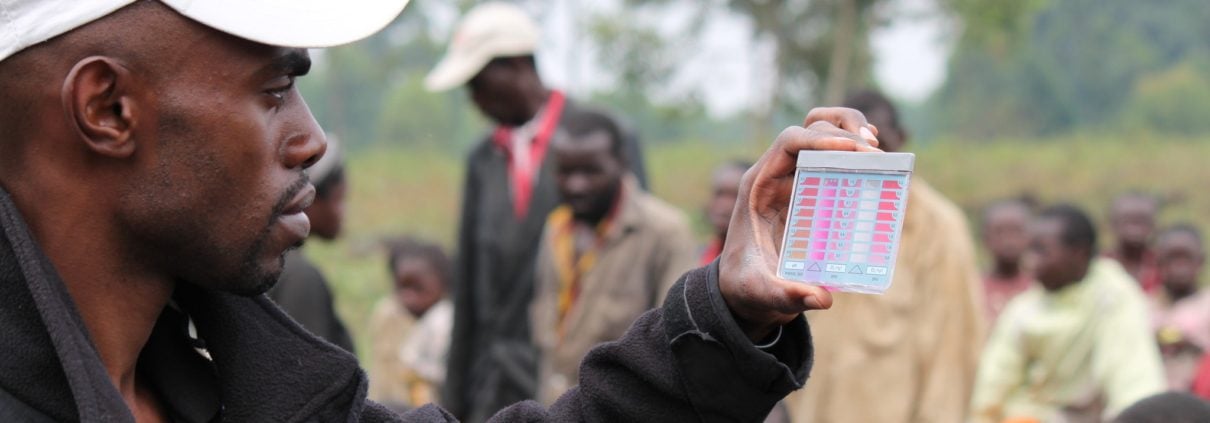 First launched in Uganda in 2004, P&G’s water purifier is fighting illness in Uganda, including cholera, typhoid fever and dysentery. This 4-gram packet of powder can fight bacterial, viral and parasitic infections, with one packet purifying up to 10 liters (about 2.6 gallons) of water to make it safe for drinking.
According to the World Health Organization, only about 18.7% of households in Uganda currently have access to safely managed drinking water. This means 81.3% of Ugandans rely on risky sources. This lack of access contributes to the spread of waterborne illnesses, high costs for medical treatment, lower crop yield and high costs to pay for access. Ugandans spend upward of 22% of their income to buy water from private vendors. Dedicating about a fourth of income toward water means less financial stability to break the cycle of poverty. Thus, the P&G water purifier becomes a valuable resource that not only reduces waterborne illness in Uganda, but also fights poverty by increasing access to safe drinking water.
Reducing Waterborne Illness
While sustained illness reduction relies heavily on continuous infrastructure development that supports multiple health care technologies, the introduction of P&G packets has nonetheless impacted waterborne illness rates. These packets remove 99.999% of bacteria, viruses and protozoa and take only 30 minutes to clean 10 liters of water.
Studies in several countries have found that the water purification packets can reduce diarrheal disease by 16% to 90%, although the impact varies by setting. In Uganda, national cholera surveillance data show that the reported case-fatality rate declined from 4% to 7% in the late 1990s to about 2% to 3% between 2004 and 2010. Multiple factors, including improved cholera response and access to safe water and sanitation, have helped reduce the impact of waterborne disease. However, significant challenges remain, particularly in communities with limited access to safe water and sanitation.
The Impact of WaterQuip Uganda Limited
WaterQuip Uganda Limited is a program that aims to create reliable water treatment setups for rural villages, schools and institutions by delivering affordable water purification systems to homes and businesses. The company also serves as an authorized supplier and distributor of P&G water packets in Uganda.
Headquartered in Kampala, the company provides these packets for $43.80 per box of 240 sachets — about 18 cents per packet. This provides rural communities with access to Centers for Disease Control and Prevention-formulated technology and helps ensure access to safe drinking water and sanitation.
It Is Accessible
P&G water packets are widely available through many major retailers, and P&G distributes millions of packets through its nonprofit Children’s Safe Drinking Water Program. They are easy to use and require no training. Users simply empty the sachet into 10 liters of water, stir for five minutes, let it settle for five minutes, strain it and then wait for the chlorine to disinfect the water for 20 minutes. This makes the technology easy to use and widely distributed around Uganda, building awareness of water-purifying solutions and tackling waterborne illnesses.
Final Thoughts
P&G’s water purifier is fighting illness, and thus poverty, in Uganda through easy-to-use technology that gives communities a simple way to make unsafe water safer. While water purification packets cannot replace long-term investments in sanitation and infrastructure, they provide an immediate tool for communities facing waterborne disease. By making clean drinking water more accessible, affordable and easy to treat, P&G’s water purifier can help reduce illness and give Ugandans a stronger foundation for healthier communities, which are key contributors to poverty reduction
– Julia Kozin
Julia is based in Livermore, CA, USA and focuses on Technology and Politics for The Borgen Project.
Photo: Wikimedia Commons
