Fighting the Spread of HIV/AIDS in Antigua and Barbuda
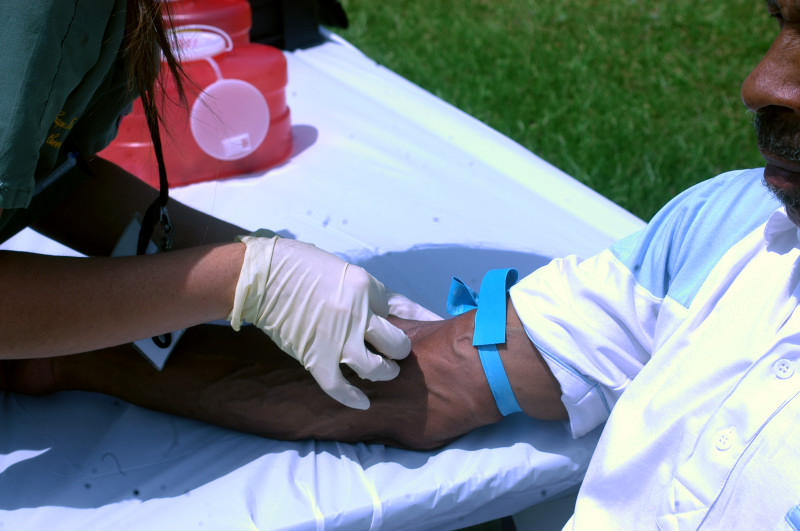 Although HIV prevalence in Antigua and Barbuda is relatively low compared to several other countries in the Caribbean, HIV remains an important public health concern. They are currently holding at a prevalence rate of 1.1% of the adult population. Here is more information about HIV/AIDS in Antigua and Barbuda.
Addressing HIV/AIDS in Antigua and Barbuda
The government continues to invest in preventative and combative measures to ensure HIV prevalence remains low. One way that the government is doing this is through the AIDS Secretariat, which provides numerous services such as, “advocacy, counselling, development of materials, educational and training sessions, free male and female condoms, free and confidential HIV testing, information to the public, [and] research assistance,” as listed on its website.
These services are the foundation of Antigua and Barbuda’s efforts at controlling the spread of HIV, focusing on awareness and education on how to prevent catching the disease, as well as what actions to take. The AIDS Secretariat’s mission is to develop and then implement research on managing HIV, allowing the increase in cases to remain low over the past few decades. The efficiency of this system is reliant on the engagement of the community, as well as the resources that are now available, such as free testing and condoms.
Economic Concerns
Regardless of there only being a slight increase in the estimated prevalence, Antigua and Barbuda’s Social Systems Board is concerned with the consequences of reduced life expectancy, productivity and education. Continued importance is placed on prevention and treatment, especially on the young adult population, aged 15 to 24. This group is at a higher risk for obtaining HIV as they are in their prime years of productivity and labor, according to the Social System Board’s website.
Contracting an illness which affects the immune system generates a risk of becoming more susceptible for additional illnesses, weakening the body. Antigua and Barbuda’s Social Security Board has concerns with a negative economic impact as “persons affected may suffer repeated and prolonged illnesses, imposing great costs on households and national health systems.”
This threatens social systems financially as they are funded by the labor force or the investments that it brings. Workers may require prolonged absences from work based on their compromised health status, adding pressure to insurance and benefits provided by employers.
Reductions in workplace participation and an increase in health care costs weakens the financial relationship between the economy and Social Systems.
A report from the World Health Organization (WHO) from 2018 indicates lacking secondary and tertiary health services, with only a “186-bed facility in Antigua” and “one clinic and hospital in Barbuda.” This highlights challenges the country may have when meeting broader health care needs.
New and Incoming Strategies
The improvement to these clinics and hospitals is claimed to be ongoing in the same report, visible in the new steps that the Global AIDS Strategy 2026-2031 implemented. This is a community-and-people focused approach according to UNAIDS, shifting emphasis away from responding post-infection, and focusing on the social and structural changes needed to reduce contraction risk. The goal in this strategy is sustainability, rather than fighting an uphill battle, the aim is to find a long-term solution.
While the provision of services is incredibly helpful for countries struggling with the spread of HIV/AIDS, the new strategy outlines that the primary focus will be greater access to services by introducing resources for self-care and community-led models. The strategy consists of consultations with community members who are both at risk or have already contracted HIV.
The initiative aims to take their experiences and knowledge in order to create the plan that will be impacting these communities for the next five years. The information of the consultations will allow UNAIDS to separate their priorities into result areas or opportunities for progress. In doing this, countries will have the ability to sustain treatment on their own instead of relying on the donor-and-partner system.
If this initiative meets the 2030 HIV targets, it could avert 3.3 million new HIV infections globally, according to research by UNAIDS.
Looking Ahead
Reducing HIV/AIDS infection rates in Antigua and Barbuda will lead to strengthened communities by improving public health, and protecting employment and Social Systems. Community-led care could be a promising strategy to maintain Antigua and Barbuda’s low risk status while improving the lives of those living with HIV/AIDS.
– Angelica Ciaravino
Angelica is based in Toronto, Canada and focuses on Global Health for The Borgen Project.
Photo: Flickr
