Improvement for Higher Education in Fiji
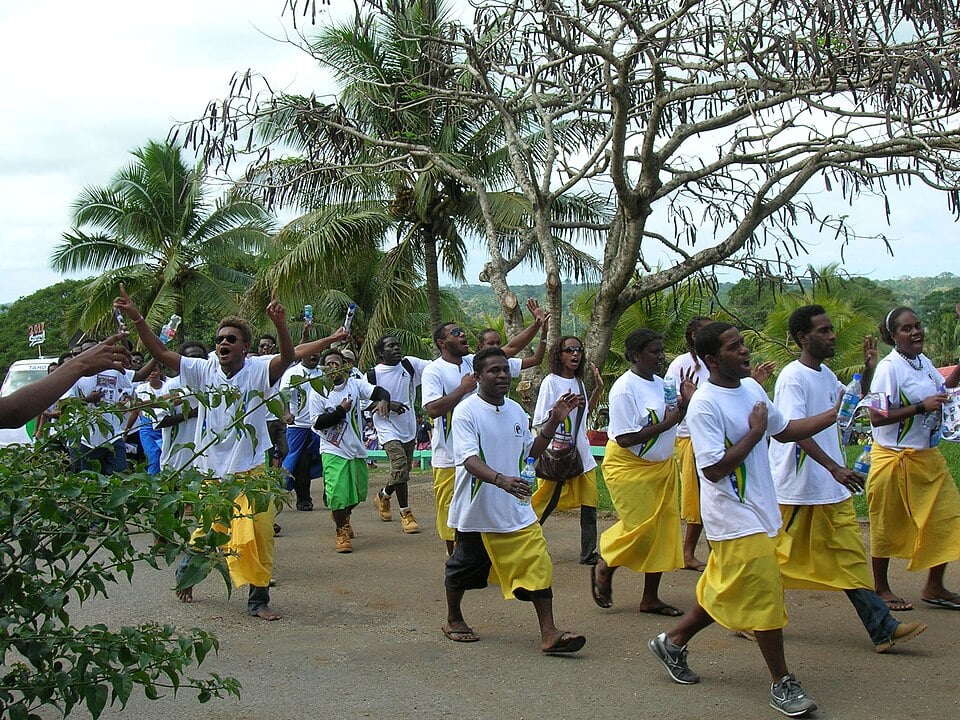
Throughout the years, there has been some slight improvement in Fiji’s education system by increasing accessible education through zero-tuition fees. Although Fijian students are provided with free primary and lower secondary education, they still have to pay for college tuition when planning or attending a higher educational institution. Tuition and other living costs can be barriers for students from low-income households.
Affording higher education in Fiji can be a major stress factor for students from low-income households, especially when considering transportation, books, meals, housing, and other scholarly expenses. However, the Fiji government and nonprofit organizations have been making progress by making higher education affordable and accessible for all Fiji Island residents. Here are some methods reflecting Fiji’s improvement in higher education by providing equal opportunities and funding more financial opportunities.
Academic Excellence for Women
On Sept. 20, 2023, the Permanent Secretary of Education, Selina Kuruleca, confirmed that women in Fiji are completing their education more often than men. High school graduation for female students is at a 97% rate, while male students have a 79% rate. About 60-65% of college and higher education enrollment are female-identifying students.
Nonprofit organizations have encouraged and funded opportunities for Fijian women to attend higher educational institutions. For example, Graduate Women Fiji was established in 1983 with a mission to support higher education for women by promoting fellowships and global networking for members. Graduate Women Fiji promotes women’s education and professional development, including opportunities in fields where women have historically been underrepresented. Programs that fund scholarships and grants for women pursuing higher education in Fiji exemplify how funding for women’s academic excellence can break financial barriers women face while earning a college degree.
The Higher Education Commission
The Higher Education Commission was established in 2010 to prioritize the services of higher education for Fijian residents. It is a government regulatory body that supports the delivery of higher education in Fiji. Its goals are to meet the necessities and standards of students, teachers, and other faculty members. The Higher Education Commission Fiji confirms that there is major improvement in operating grants for institutions such as the University of South Pacific and Fiji National University. The commission states, “For 2025-2026, the Government has invested $83,042,808 in operating grant to HEIs and $3,431,739 in capital grant.” Fiji National University reported signing a government grant agreement for 2026–2027 that includes FJD 74.49 million in operating funding. These grants will support more funding toward career training, workforce development, and more opportunities for students from different financial backgrounds.
Ministry of Education’s National Budget
On June 26, 2026, the Fiji Ministry of Education announced that higher education in Fiji will continue to thrive after receiving a National Budget of FJD 883 million [$392,937,119 USD]. The largest allocation of Fiji’s education system will be funded for teacher salaries, schools and scholarships. The budget provides FJD 160 million [$71,200,384 USD] for tertiary scholarships, which will help more than 23,000 new and currently enrolled college students. The government of Fiji assisted 53,000 students by writing off more than FJD 650 million [$289,251,560 USD] in college debt.
The Education Ministry in Fiji continues to plan on improving accountability by providing more scholarship programs. The Higher Education Commission’s published funding figures for 2025–2026 total FJD 86,474,547 in operating and capital grants, while the FJD 74.49 million figure relates to a separate Fiji National University agreement. Both government-led and nonprofit organizations prioritize improving higher education in Fiji by opening more grants and scholarship opportunities with less stress over affording a good college.
The Impact of Scholarships and Grants
Scholarships and grants create a positive impact for college students from low-income families because they encourage them to pursue education that will provide the skills needed for well-paid jobs. Fiji’s methods of fighting poverty include funding higher educational institutes for students seeking opportunities in studying for a job that will offer better income. Government funding and scholarships aim to make further education and training more accessible.
Funding grants and scholarships benefit Fijian students who face poverty by providing affordable access to education and training. To give students a chance at obtaining jobs that promise higher wages after graduation, the Fiji government proposed expanding training opportunities in universities. To reduce the number of residents moving out of Fiji to find better job opportunities, the government proposed more higher educational institutions to expand training courses to ensure that every resident will develop the skills needed to prepare for a career of interest.
Fiji National University has set a strategy to expand technical and vocational education and training in response to Fiji’s skills needs. Higher education in Fiji addresses the country’s labor skills gap by creating more training programs to ensure that students will have a future where their careers are related to educational background, potentially improving access to employment and income.
– Kristen Wheeler
Kristen is based in Baltimore, Maryland, USA and focuses on Good News, Technology and Solutions, Global Health, and Politics for The Borgen Project.
Photo: Wikimedia Commons
