Green Hydrogen to Green Harvest in Namibia
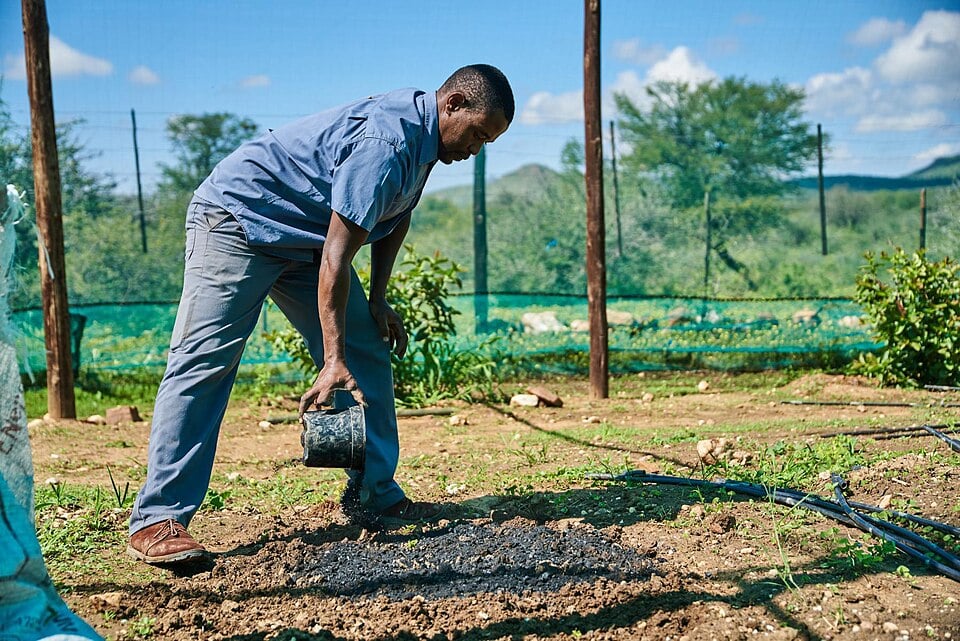
Facing persistent challenges of poverty and food insecurity, Namibia is implementing industrialization and agricultural expansion initiatives to foster economic development and improve food access for its population. Namibia has a population of approximately 3.1 million, with 46% of residents living outside urban areas. These less-dense areas often struggle with food production because of the harsh and unstable desert climate, infertile soil, limited access to agricultural supplies and severe economic inequality. These challenges have made food insecurity an ongoing struggle for many Namibians.
In 2024, the Integrated Food Security Phase Classification (IPC) reported that 1.15 million people faced severe acute food insecurity and required urgent action to reduce food gaps and protect livelihoods. Cropping conditions in Namibia are generally poor—marked by erratic rainfall, frequent floods and droughts. Namibia is also highly dependent on imports, leaving the country vulnerable to external price increases. The cost of imported goods, food, fuel and agricultural supplies has made it expensive for local farmers and businesses to obtain fertilizer and meet agricultural demands, increasing the need for domestic solutions.
Saving Agricultural Production
Over the past five years, Namibia has become a hub for green industrialization as businesses and organizations tap into the country’s solar, wind and biomass resources. The Dâures Green Hydrogen Village is an agricultural initiative spearheading greenhouse production and green hydrogen to support agriculture, food security and community livelihoods on a 15,000-hectare site in the Erongo Region. The Dâures Green Hydrogen Village was established in 2023, and its pilot phase commenced shortly thereafter, in 2025. Throughout this period, the initiative required substantial community collaboration, creating employment opportunities for 376 Namibians and 23 small and medium enterprises. Additionally, the project engaged research partners from the University of Namibia and the University of Stuttgart, who participated in on-site research activities with both Namibian and international students, focusing on sustainable energy through green hydrogen.
Green hydrogen in Namibia is produced using renewable energy, distinguishing it from conventional hydrogen production that relies on fossil fuels. Its versatility makes it a clean energy carrier with the potential to reduce carbon emissions within agriculture. By leveraging green hydrogen for fertilizer production, energy supply and resource management, the agricultural sector could reduce its environmental impact while strengthening domestic food production. The organization has already reported success in its agricultural endeavors. The facility has harvested cucumbers, tomatoes and peppers, with produce sold to local retailers in the Erongo Region.
Managing Food Insecurity
Namibia’s food security situation improved in 2025 compared with the previous year, largely because of better rainfall, crop production, rangeland conditions and coordinated assistance. IPC reported that from July to September 2025, approximately 456,000 people experienced high levels of acute food insecurity, a sharp decrease from 1.15 million during the same period in 2024. IPC credits this improvement to “above-average rainfall during the 2024/25 season, increased crop production, improved rangeland conditions, and coordinated interventions by the government and development partners.”
However, food insecurity remains a concern in the country, with many areas still facing a food crisis. The IPC projected a deterioration during the October 2025-March 2026 lean season. The country forecasts an increase in grocery prices while food production decreases. The decline is projected to affect 612,000 Namibians (20%) already experiencing a food crisis. This worsening is attributed to the government’s discontinuation of the countrywide drought relief in August 2025, reduced labor opportunities, high unemployment and poor livestock conditions in drought-prone areas.
The Comeback
The Dâures Green Hydrogen Village aims to combat food insecurity through green production. Its goal is to produce 18 tonnes of green hydrogen in Namibia and 100 tonnes of green ammonia over the course of the project. Green ammonia will be used to produce fertilizer locally, reducing reliance on imported agricultural products. The project aims to reduce dependence on imported fertilizer and support lower-emission agricultural production. As of June 2026, the United Nations reported that the facility was producing approximately 40,000 cucumbers each month, demonstrating the potential for food production even in one of the world’s most challenging agricultural environments.
As the initiative continues to expand in phases, its ultimate goal is to develop Africa’s first green hydrogen village on a semi-industrial scale, thereby establishing a model for a ‘green circular economy’ and green industrialization. If successful, Dâures’ progress could represent a transformative step for Namibia’s agricultural sector, providing evidence that integrating green hydrogen technology can substantially reduce carbon emissions, enhance local fertilizer production and lessen dependence on imports. This approach may not only improve Namibia’s food self-sufficiency and resilience to climate variability but also serve as a replicable blueprint for other regions across Africa facing similar environmental and economic challenges.
– Ashley Woody
Ashley is based in Atlanta, GA, USA and focuses on Good News, Technology and Solutions for The Borgen Project.
Photo: Wikimedia Commons
