Global Responses to the Venezuela Earthquakes
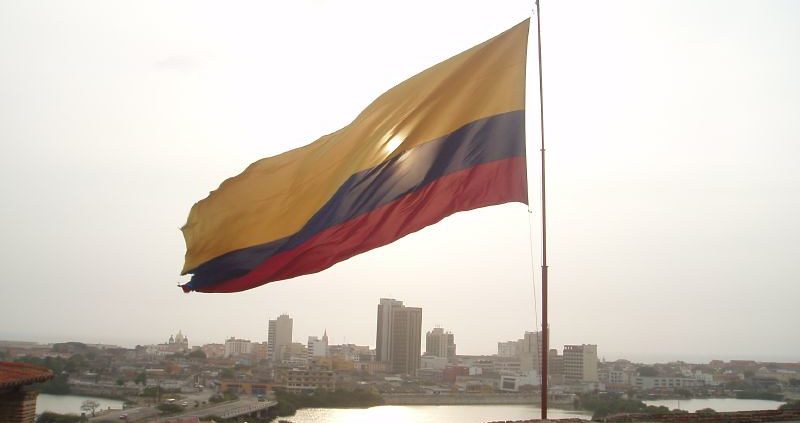 On June 24, 2026, two major earthquakes hit Venezuela, ranging from 7.2 to 7.5 in magnitude. They shook the ground violently, leading to $19.6 billion in damages to the country’s infrastructure, destroying millions of homes and trapping people under the rubble. Residential buildings suffered 47% of the damage, infrastructure 27% and non-residential buildings 26%. The death toll is continuously rising as rescuers focus on Caracas and the states of Aragua, Carabobo, Falcón, La Guaira and Miranda. As of late June, the death toll had reached 1,700, with many injured and homeless. Global responses have been immediate, with help swiftly provided to the victims from hundreds of countries and nongovernmental organizations (NGOs).
Country Background
Due to Venezuela’s fragile economic and political situation, the country has few means of preparing for a disaster of this magnitude. Many buildings and houses are made of older materials that did not withstand the violent tremors. According to the Organization for Economic Co-operation and Development in 2025, Venezuela ranked third in the highest increase in human fragility, besides North Korea and Libya, and was the second-least funded country in terms of the Humanitarian Response Plan. Even before the earthquakes, 56% of Venezuela’s population was living in extreme poverty, and 7.9 million people were in need of humanitarian assistance, according to the United Nations (UN). After the earthquakes, survivors were left without homes, electricity and very little food and water.
Global Responses to the Venezuela Earthquakes
One hopeful aspect arises from this tragedy: the global effort to aid Venezuela in its time of need. When news of the earthquakes emerged, multiple countries and governments sent aid and first responders to find and save those trapped below the rubble.
Efforts include: China’s Foreign Ministry spokesperson, Guo Jiakun, announced that Beijing will provide $14.7 million in emergency humanitarian aid. Spain’s Armed Forces provided search dogs and rescue workers. Peru sent more than 14 tons of humanitarian aid. The United States (U.S.) announced it will send a specialized Air Force response team. Mexico will send additional humanitarian aid, including water purification plants, power generators and non-perishable food. The European Union (EU) announced $5.6 million in humanitarian aid focusing on providing shelter and health care to survivors. Countries have also sent more than 2,624 rescue workers and 137 search dogs.
NGOs and Other Government Organizations
Several organizations, NGOs and teams are on the ground trying to help. A particular NGO currently assisting the people of Venezuela is Mercy Corps. Initially founded in 1979, it is a nonprofit focusing on promoting social change through volunteer work and helping those who have suffered injustices in the Americas. In 2025, they reached around 37 million people in 35 countries. They have partnered with organizations in Miranda, where many Venezuelans have fled for safety, to support victims’ recoveries.
The earthquakes in Venezuela have left its people shaken with a rising death toll. Yet, hope remains strong through the global responses to the Venezuela Earthquakes. It shows an incredible moment in human solidarity as multiple countries and organizations stepped up to help a country and its people in need. Significant time and effort are being devoted to searching for and rescuing those trapped and providing aid to the survivors who have lost everything.
– Michalitsa Kontogianni
Michalitsa is based in Washington, DC, USA and focuses on Good News and Global Health for The Borgen Project.
Photo: Flickr
