Global Poverty Reduction from 2000 to 2020
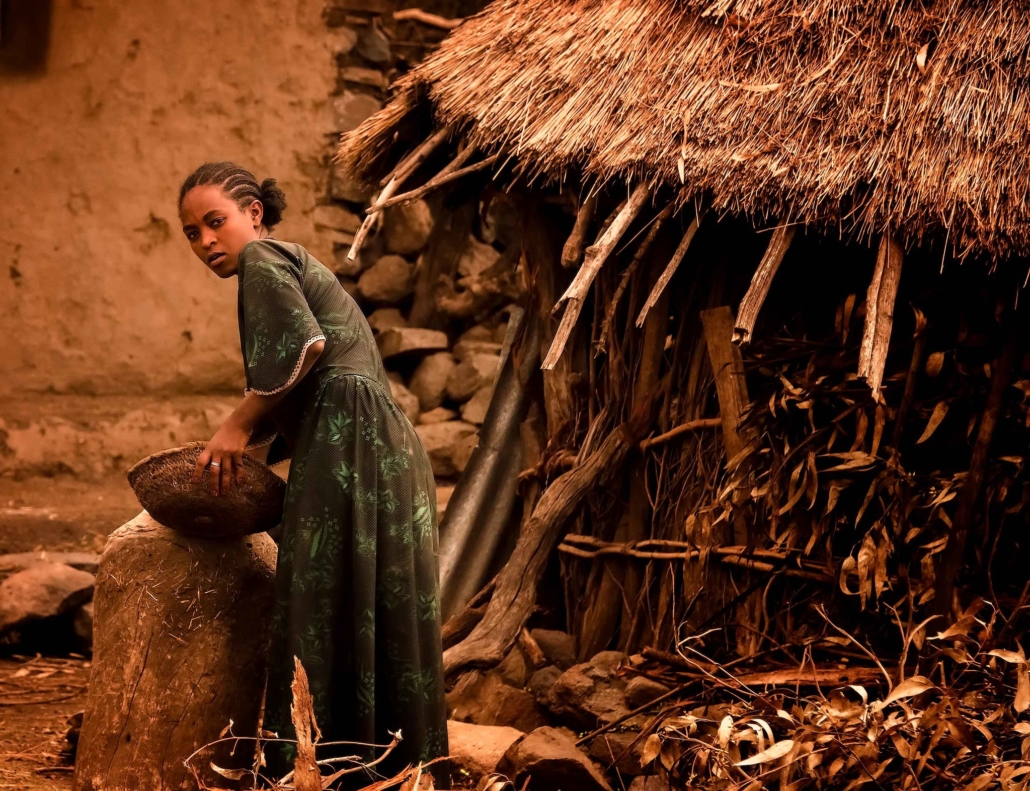
The United Nations (U.N.) defines “extreme poverty” as living on $1.90 a day or less. In 2018, roughly 9 percent of the world’s population lived in extreme poverty. However, global poverty reduction efforts are implementing successfully in some of the world’s poorest countries. By 2030, projections determine that extreme poverty should decrease to 6 percent. Here are some basic facts about global poverty levels today and examples of successful NGO projects that are achieving widespread global poverty reduction.
Facts About Global Poverty Levels
- Basic Needs: In 2017, three-quarters of the global population had safe sanitation facilities and 90 percent had access to potable water. Still, 2 billion people live in “high water stress.” This means that the demand for water exceeds the available amount. A U.N. survey of 172 countries found that 138 had some form of legal measure in place to provide equitable access to water. Additionally, around 70 percent of all states surveyed currently have procedures that supply rural areas with more water.
- Electricity: Ninety percent of the world is now supplied with electricity due to significant expansion to rural regions. Yet, rural rates still remain disparate at 78 percent compared to urban centers’ rate of 97 percent. Several countries remain below 20 percent electrification, most of which are in Sub-Saharan Africa. On the other hand, Kenya, Bangladesh, Myanmar and India have substantially increased electric services. India, for example, supplied 30 million households with power from 2010 to 2016.
- Unemployment: The global unemployment rate is now at 5 percent, returning to pre-2008 financial crisis levels. However, youth unemployment rates are three times that of adults (12 percent for youth vs. 4 percent for adults). In addition, rural communities experience three times as much poverty as urban centers. The employment sex ratio remains asymmetric, but the female labor market participation rose to 48 percent worldwide. On average, gender equality in the workplace is now at 1 percent.
- Social Services: In 2019, 45 percent of the global population benefited from at least one social service. Net school enrollment increased by half over the past 10 years, and over 90 percent of those aged 15 to 24 are literate. Still, gender equality in educational attainment has decreased. Additionally, primary school enrollment rates are four times higher in Europe and North America, where social services cover about 92 percent of all children. This is seven times higher than in Sub-Saharan Africa and South-East Asia.
NGO Initiatives
- Burkina Faso Cash Transfer Project: The International Development Association started the Burkina Faso Cash Transfer project in 2014. The project is an infrastructure development initiative that addresses three key areas: private-sector job growth, the improvement of the social safety net and vocational training. The cash assistance program is a need-based system. Additionally, the program provides the poorest groups with social services and three years of financial aid. So far, half a million people are in their respective national social safety nets, and 100,000 individuals received cash assistance. Approximately 35,000 recipients received additional funds for food, keeping many citizens from returning to poverty. Around a million people will benefit from the program by 2024.
- Sahel Women Empowerment and Demographic Dividend Project (SWEDD): SWEDD launched in countries like Burkina Faso, Chad and Mali in 2015. SWEDD addresses the ramifications of gender inequality on multiple fronts and informs and empowers women of all ages. Labor market preparedness, access to reproductive health care services and increased school attendance are the project’s primary objectives, even though it works a little differently in each country. For example, by subsidizing schooling for 13,000 girls in Chad, the dropout rate has been lowered by 50 percent.
- The Urban Youth Employment Project (UYEP): The World Bank and the Australian Department of Foreign Affairs and Trade fund UYEP. UYEP focuses on youth employment in Papua New Guinea. In 2010, three-quarters of those under the age of 24 had no bank account, did not attend high school and never had a paying job. The program has provided 18,500 youth with work-specific training, subsequent job placement and financial subsidies throughout the process.
Power of NGOs in Global Poverty Reduction
NGO funds are vital for global poverty reduction because they help low-income countries achieve durable change. In December 2019, the World Bank Group and the International Development Association committed $80 billion of funding for existing and proposed projects in the 76 poorest countries. Since 2000, there is notable progress in these fragile areas. Nonetheless, substantial challenges remain to alleviate poverty and achieve global poverty reduction.
– Annabel Fay
Photo: Flickr
