Food Systems in Russia: A Taste of Success
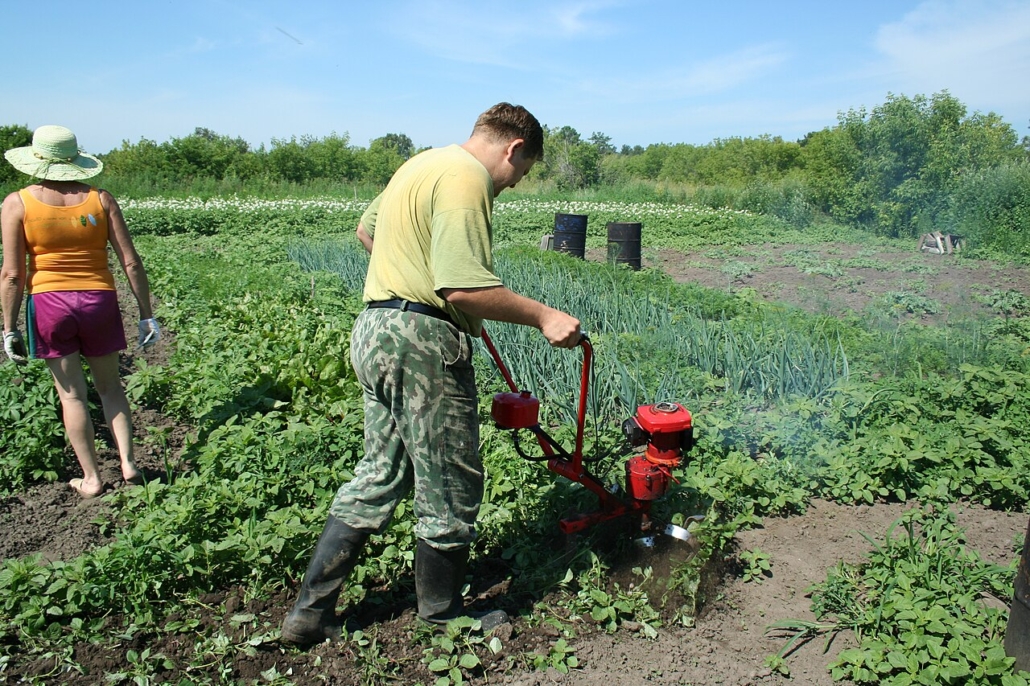 Russia has 11 time zones, 140.13 million people and 17.1 million km2 of territory, which is an incredible logistical challenge but one that the Russian people have faced with optimism and endeavor. Ensuring that people’s food needs are met is one of the core commitments of the state and Russia has enshrined this in a dedicated Food Security Doctrine (as of 2010). In a world of struggle and setbacks, take a look at these feats regarding food systems in Russia for inspiration and resolve.
Key Statistics Regarding Food Systems in Russia
- Russia covers 95% of its grain demand from homegrown produce.
- The state provides significant monetary and institutional support for agriculture; this has grown to R300 billion a year (2018 figures)!
- The ruble value of domestic food production has gone up in leaps and bounds since 2000, with roughly a 600% increase by 2018; output has matched economics, with domestic production showing significant success (e.g. meat has doubled).
- The focus is on sustainable development with a ban on all GMO products and seeds, except for research in the laboratory.
What’s the History?
Following the breakdown of the Soviet Union, Russia experienced a period of collapse internally. Mass poverty and malnutrition struck the population. When it came to food production, output declined in the organized farms sector and shifted to home production and imports: by the mid-1990s, Russia’s cities depended on foreign imports for more than 80% of all meat stocks, for instance.
People also became vulnerable to price increases in the international trading system. What happened is that as imports became progressively more expensive, so domestic producers became progressively more competitive. This was the germination of domestic advantage and recovery, but state aid hugely bolstered it following the falling out from 2014 events in Crimea. For the first time in post-Soviet history, Russia had the impetus and will to bring about change from within – on a massive scale. Investment had already started in 2000, with a strategy for agricultural development, but now it was a critical need.
The Russian Federation itself “[r]ecognizes that hunger and malnutrition are the perverse manifestations of persistent, structural poverty and inequality, and recognizes the need to end poverty and hunger in all their forms and dimensions.”
The Food Security Doctrine
Interwoven in all this is the Food Security Doctrine, which at its heart commits to self-sufficiency; quality of life through reliable provision of food; sustainable development and modernization of the agriculture and fisheries sectors, including infrastructure; good management of the environment; food safety, including adequate regulation, as well as sanitary, epidemiological, veterinary and phytosanitary surveillance; specialist skills and sector training. It presents extraordinary ambition and the results have followed: currently self-sufficiency measures show that Russia produces 165.6% of its necessary grains (making it an exporter); 100.1% of meat and meat products; 84% of milk and dairy products; and 97.4% on eggs.
The Food Bank Rus Charity
Where poverty does exist, NGOs are working to fill the gap. The Food Bank Rus charity is an organization that collects food and products and distributes them to people in need: people who have had to leave their homes, living in isolation, or simply going without. That includes families in difficult situations or pensioners. It also helps people in emergency situations such as those suffering natural disasters or accidents. About 673,000 kg of food and essential goods were donated to refugees from Donetsk and Lugansk in just a few months in 2022.
Looking Ahead
Food systems in Russia are protected through a highly organized institutional set-up, with action on assessment of food needs, the needs of farmers (especially large farms), and distribution networks to get food out there to people who need it. It is especially laudable in a country with challenging climatic conditions and a world where people profit from food. The key goals of “safe, quality and affordable” products are good news for the nation. So, whether it’s blini, pelmeni or beef Stroganoff, you know that food miles are minimal, food safety is paramount and the government is making sure you have food for the future.
– Gergana Manassieva
Gergana is based in Bristol, UK and focuses on Good News and Politics for The Borgen Project.
Photo: Wikimedia Commons
