UN Funding is Helping Farmers Fight Food Insecurity in Lebanon
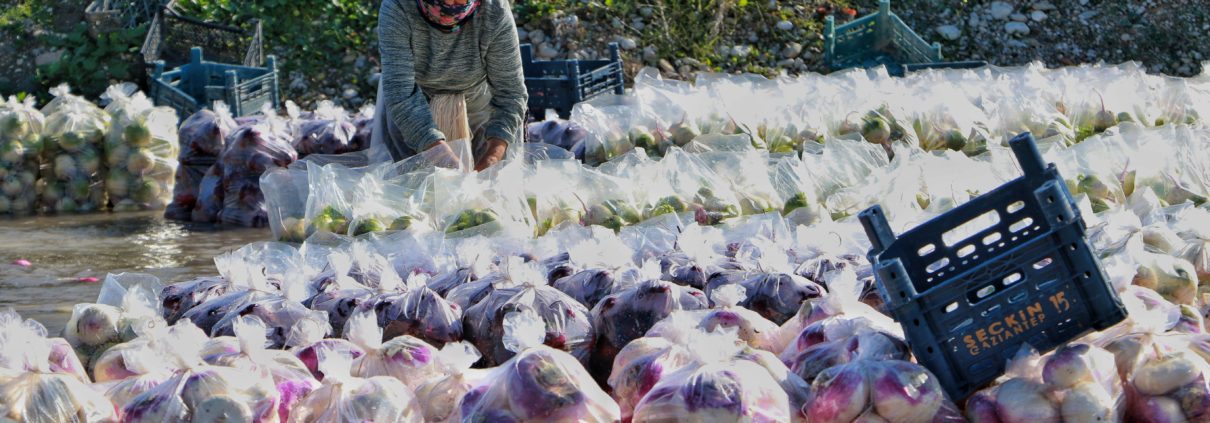 Since the onset of warfare in the Middle East, Lebanese farmers have noticed environmental consequences. These consequences worsened when Israel and Lebanon entered direct warfare in March 2026. Israeli forces have used white phosphorus munitions in areas of southern Lebanon, including the Tyre district, and Lebanese authorities have accused Israel of spraying glyphosate herbicide — banned in both Lebanon and the European Union — on farmland along the country’s southern border, calling it a violation of Lebanese sovereignty and an environmental and health crime.
War in Lebanon has subjected Lebanese land to munitions and other warfare tools that damage the land and its agricultural capacity. In total, approximately 56,264 hectares of agricultural land in Lebanon have been impacted, according to the Lebanese Ministry of Agriculture. This includes the destruction of 1,617 farms, 793 greenhouses, 26 packing centers, 38 produce collection centers, six carob presses, 57 olive presses, 85 food animal product processing facilities, 67 plant product processing facilities and 22 plastic shelters for fishermen.
Poverty in Lebanon
This agricultural devastation subjects more Lebanese people, especially farmers, to the consequences of poverty. People rely on the land for food, financial support, and their livelihoods, making its destruction a massive contribution to increasing global poverty. Lebanon faced high poverty rates before the conflict, but according to the World Bank, poverty has more than tripled over the past decade, and 44% of Lebanon’s population now lives in poverty.
Further, according to the World Bank’s “Lebanon Poverty and Equity Assessment 2024 – Weathering a Protracted Crisis,” 73% of Lebanese live in multidimensional poverty, and the growing food crises and insecurity from the war have only heightened this. Many households, when surveyed, admitted to adopting financial coping strategies such as cutting back on food expenses or reducing health expenditures, both of which are likely to have long-term bodily consequences. The persistence of militarism in and around Lebanon will only continue to worsen food insecurity and endanger the livelihoods of farmers like Haydar. However, efforts by certain aid organizations to protect and develop farmland offer a means to reduce the impacts of war.
The United Nations Emergency Assistance
Lebanon’s Ministry of Agriculture, the World Food Programme and the United Nations Food and Agriculture Organization have helped launch a program to assist with heightened food insecurity in Lebanon and reduce poverty. The program focuses on helping the 1.24 million Lebanese who face acute food insecurity by helping farmers recover from the effects of war. In its initial phase, the program aims to support 2,000 conflict-affected households through cash-based assistance, protecting both the farmers made vulnerable by war and those who rely on their produce for sustenance. The program will also work in cooperation with Lebanon’s governing systems, such as the National Farmers’ Registry and the Food and Agriculture Organization, to help reach farmers in need quickly, help rejuvenate the land and develop more effective agricultural techniques.
Looking to the Future
By placing agricultural resilience at the center of Lebanon’s national recovery, the program serves not only as an emergency response, but also as a strategic investment in long-term food security, rural economies and against future crises. It widens Lebanon’s shock-responsive net to help farmers and every person who needs food to survive, making the program both inclusive and future-oriented. In a nation where 44% of the population lives in poverty and suffers the consequences of war, this European Union-funded program offers hope and the potential to prevent food insecurity in Lebanon because helping farmers can help feed everyone.
– Aubrey Wallen
Aubrey is based in Alexandria, VA, USA and focuses on Good News for The Borgen Project.
Photo: Pexels
