5 Facts About Disability and Poverty In Colombia
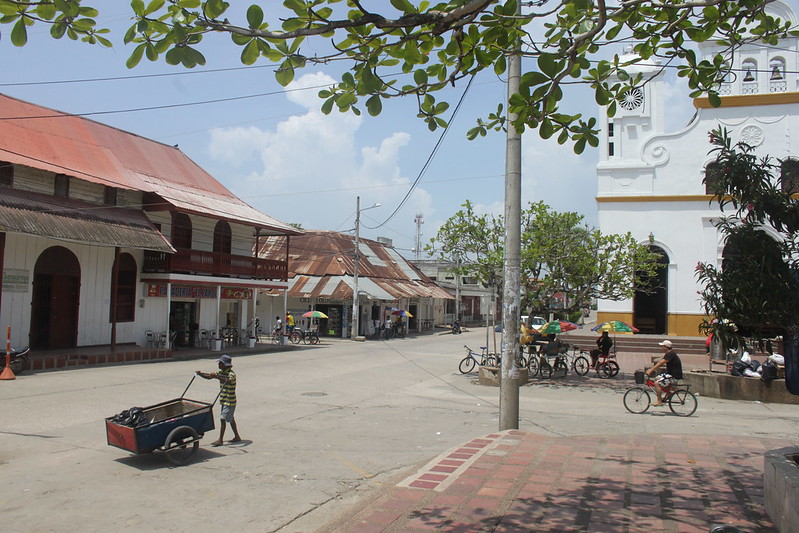 The number of Colombians who suffer from functional difficulty is around 41.8% of the population. The persons who suffer from a lot of functional difficulty and thus can be classified as disabled make up 12.5% of the population. Consequently, disabled persons have a multidimensional poverty headcount of 39% compared to 18% for persons without disability. While disability and poverty in Colombia are inextricably linked to each other, reforms enacted by NGOs and the government have eased the burden of multidimensional poverty for the disabled by a large margin. These five facts highlight the improvements enacted as well as needed concerning disability and poverty in Colombia.
Government Policy Geared Towards Inclusion of the Disabled
With the hardships of disabled Colombians in mind, the Colombian government passed Law 361 of 1997, which ensures protection from discrimination for any disabled individuals within Colombian borders. The Convention on the Rights of Persons with Disabilities ratified and incorporated in 2011, allows the government to pass policies concerning affirmative action and other social benefits for disabled persons.
These policies helped form the political framework for social inclusion policies such as the National Disability and Social Inclusion Policy, laying the groundwork for NGOs and governmental organizations to enhance social benefits for disabled persons. While progress has been slow, the government is consistently working towards providing more services (unemployment benefits such as 50% of the last job’s salary paid by the state, food security, etc.) for the disabled population to ensure their economic, physical and social well-being.
Barriers to Employment for the Disabled
Despite strides in the inclusion of disabled persons into the corporate labor force, many in the productive sector still consider them to be incapable and unproductive. In fact, a 2022 study by the National Administrative Department of Statistics (DANE) found that only one in five disabled persons had employment in Colombia.
IGOs and NGOs Work Within Local Communities to Provide Resources
Many organizations base themselves in various local communities to provide helpful resources specifically tailored to the needs of the disabled there. Japan International Cooperation Agency (JICA) provided peer counseling to individuals suffering from physical disabilities in five sites from 2016 to 2019 and is working with the Colombian government to develop a policy to introduce large-scale counseling for disabled persons. Corfrodis, a lesser-known NGO, is making education, health care and culture more accessible for disabled people by establishing micro-projects in local communities.
Disabled Persons Have Lower Literacy Rates
The 2015 National Demographic and Health Survey in Colombia found that the percentage of adults with less than primary schooling attained is significantly higher among disabled adults (38%) than adults with no difficulty (13%). Since most medium to high-paying jobs require the completion of lesser education, this statistic means that a significant portion of disabled persons work jobs that pay wages insufficient for maintaining a comfortable lifestyle.
How NGOs Lobby Government and Provide Educational Resources
Working within the framework established by the Colombian government, many NGOs establish themselves on a national scale to directly address problems that disabled persons face. Organizations such as Incluyeme help disabled people learn valuable skills within a certain field and seek employment that provides ample pay and growth opportunities. Meanwhile, lobbying organizations like the Disability and Human Rights Network have consistently succeeded at securing policy support that establishes disabled people’s rights and social welfare.
Conclusion
The rising availability of educational resources for the disabled and greater legislative efforts speak of a more prosperous future for disabled Colombians going forward. However, with international assistance, the Colombian government and NGOs based in Colombia would be able to address the plight of disabled Colombians much more effectively.
– Parth Mishra
Photo: Flickr
