Disability and Poverty in Malawi
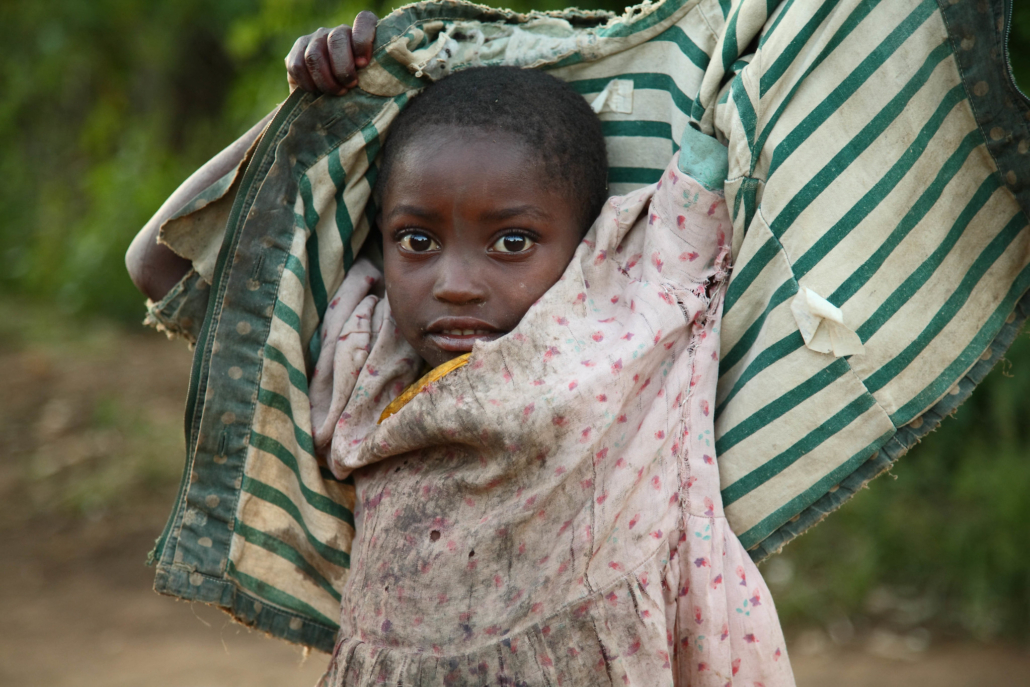
Disability in underdeveloped countries has an immense impact on those who are living in extreme cases of poverty as they consistently encounter barriers to employment, education, quality of life as well and access to basic amenities. Here is some information about disability and poverty in Malawi, including what different organizations are doing to address them.
The Situation in Malawi
Currently, 52% of Malawians are living in poverty and one in five of those people have a disability. Poverty and disability have a connection, as poor sanitation, malnutrition and lack of access to safe working conditions means that people living in underdeveloped countries such as Malawi are at a greater risk of developing a disability during their lifetime.
For those who already suffer from a disability, estimates indicated that they are far poorer than their nondisabled peers, as they struggle to benefit in an economy in which agriculture is a major component. In fact, 30.2% of Malawi’s GDP is agriculture.
Furthermore, as 86.5% of the population lives in rural areas, it is particularly challenging for these people to get access to the support they need, as many disabled students miss out on the opportunity to gain a good standard of education. Statistics state that 70% of those with disabilities are not in school, and according to other research “10.4% of Malawi’s population aged 5 years and older has at least one type of disability.”
Stigmas and Barriers
While those with disabilities face physical barriers to their lives, they also face social stigmas and alienation from society. This includes widespread beliefs and misconceptions that are spread throughout much of sub-Saharan Africa, where groups of individuals “have historically linked persons with disabilities with witchcraft as a component of a wider link between accusations of witchcraft and socially marginalized populations.”
Additionally, people who are “witch doctors promote beliefs that individuals and families can prosper if they perform rituals or sacrifice including abuse, mutilation and even killing children and adults with disabilities.”
Therefore, solutions must emerge in order for these disadvantaged people to get access to the help they need. For example, technological innovation and creating jobs that are easily accessible to disabled people is part of the solution that many charities have begun to investigate for those living in Malawi.
The Global Concerns Trust
An example of work that is occurring to help the disabled is through an organization called the Global Concerns Trust which has been active in the country since 2007.
The project’s aim is to contribute to the reduction of poverty through creating economic stability, whilst working to integrate disabled men and women into the community. In order to do this, the organization works in collaboration with the Malawi Council for the Handicapped (MACOHA) as well as the Kuthandiza Osayenda Disability Outreach (KODO).
Funded by the Scottish Government between 2007 and 2011, the trust was able to provide vocational training and tools for adults with disabilities as well as carpentry and tailoring clubs in schools. Volunteers are still donating and refurbishing the tools and sewing machines in Scotland, and upon completion, they then ship to Malawi for KODO and MACOHA to provide vital training in carpentry, chair making, tailoring and curios carving.
Outcomes of The Global Concerns Trust’s Work
The training has been very successful as graduate trainees have started successful businesses where they have an increased income of 543% since before the training. Hence this has enabled these people to buy materials to build stronger houses, as well as being able to purchase livestock, medicine, furniture and clothes for their families.
In addition, people in Malawian communities have begun to see disabled people as valuable and skilled people in society, which demonstrates the extent to which the Global Concerns Trust has had a huge impact on creating a fairer more inclusive society, as well as providing invaluable support to those that are disabled through giving them the confidence to become more self-reliant.
Therefore, this demonstrates that disability and poverty in Malawi have inextricable links and that if more support networks and systems are available, such as support from charities like the Global Trust, then more disabled people can access jobs that are suited to their needs.
About Waisanga Chakutanda
Waisanga Chakuntada is an example of someone who has benefitted from the Global Concerns Trust. As a divorced parent with three children and paralysis in her right leg, life, before she received vital support, was tough. Chakuntada earned just £9 a month through her fish-selling business where she had to walk long distances and had the constant burden of how she would put the next meal on the table.
Since then, life has become much improved for Waisanga, as through the MACOHA in the Nkhotakota district from January to July 2014 she received training to become a skilled tailor. Upon completing her training, she received a Singer sewing machine and the materials necessary to run her small business. Her speed at completing orders, combined with the good reputation she has gained from customers, has meant that her monthly earnings are now £60.
Working from the comfort of her front yard at home, she is now able to fully care for her children and has been able to buy new mattresses and provide them with clothes. The support therefore provided in terms of supporting Waisanga with her disability has been invaluable as poverty no longer restricts her way of life to the extent it did before.
Ripple Africa
Mobility issues across Malawi are still a very prominent issue, as its infrastructure fails to provide accessibility for disabled people, as the vast majority of those who are physically immobile do not even have access to basic equipment like a wheelchair or walking assistance due to the level of poverty they are suffering from.
Ripple Africa has been beneficial to those suffering from mobility issues and has been a vital service within the country. The organization does so by running a disability and rehabilitation program that helps approximately 140 children, adults and families experiencing disabilities in the Mwaya Beach area.
This occurs through the service of local carpenters who make made-to-measure devices that disabled people can use as walking aids. In more severe cases Ripple Africa has helped in terms of providing for life-saving operations, that families otherwise would not have been able to afford. Other successes of the organization also include helping children to sit up, walk and talk, as well as giving them the independence they need to be able to do day-to-day tasks.
The community-based rehabilitation coordination is able to provide the disabled people of the Mwaya beach area with this support through information from doctors, schoolteachers and other people in the local community. Then, the coordinator visits the disabled individual to assess the most suitable plan going forward to ensure that they receive the best quality care and support.
Overall, it is evident that more work is necessary to solve the issue of disability and poverty in Malawi, as, despite the help of several organizations, there are still many vulnerable individuals experiencing disabilities and cannot access the help they deserve and need in order to live a close to normal life.
– Megan Miley
Photo: Flickr
