5 Ways Demonetization in India is Affecting the Poor
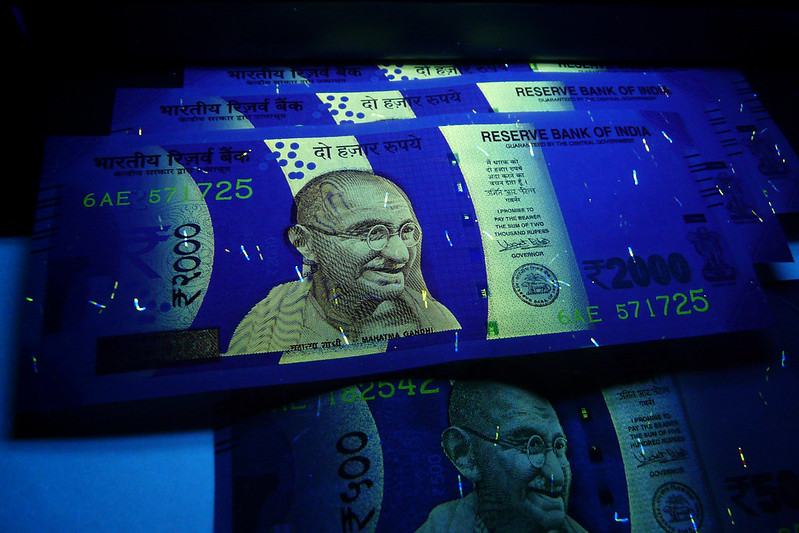
In 2016, India’s new government, run by Prime Minister Narendra Modi, launched an initiative that replaced all 500 and 1,000 rupee bills with the new 2,000 rupee bills. The initiative sought to eliminate illegal money, or “black money,” and prevent people from conducting illegal business deals. Unfortunately, the initiative also affected the poor the most. The replacement of bills brought on a massive disruption to the overall economy, especially due to the cash shortages experienced by many throughout the nation. Here are five ways demonetization in India has affected poor communities.
5 Ways Demonetization in India is Affecting the Poor
- Market vendors had to shut down their shops. Typically, market vendors farm on a daily basis and sell their production. The drop in customer traffic, however, forced the market vendors to shut down their shops. Since these laborers work without an official employment contract, they make up a part of an informal economy. As a result, without a regular flow of customers, it becomes hard for these people to survive. The majority of this informal economy depends upon cash transactions.
- The ban of the 500 and 1,000 rupee bills has tremendously affected migrant labor workers. Migrant labor workers are those who travel to find work every year. Similar to the informal economy, these laborers typically rely on cash transactions. Due to the fact that such cash transactions occur privately, without the interference of the banks, the demonetization policy makes it even more difficult for these migrant laborers who already travel far from home, leaving their families behind, in hope for a decent job.
- Demonetization has also negatively impacted small business owners who serve food on streets. Due to the fact that the citizens had only 50 days to exchange their notes, customer flow completed stopped for many businesses. Additionally, many of these small business owners could not afford to stand in the long lines outside of the banks. For a wealthy family, losing an income of a few days does not make a big difference. However, for the poor, losing the income of even two days has an impact. As a result, people began skipping meals to keep their businesses running.
- The low-income, working class people suffer from the new policy. Typically, working class people have basic jobs with fairly low wages. Due to the fact that there is a shortage of cash flow, many low-income workers are experiencing delayed salary payments. As a result, it becomes difficult to run households. This especially becomes a problem when there are children who are going to school with high fees, or if there is a wedding in the house. Additionally, young adults getting ready for college also faced difficulties, since their parents were unable to afford to pay high college tuition.
- Demonetization in India has also negatively affected daily-wage workers. Since the implementation of demonetization, daily-wage workers, such as maids and housekeepers, have found it increasingly difficult to manage their lives. Cash shortages makes it difficult for them to get paid on time, which leads to skipping meals or working twice as much but for low wages. It also becomes hard for these workers to buy basic necessities or even pay education fees for children. As a result of financial strain, some children might have to do small jobs in order to bring in more money.
While demonetization in India initially had a negative impact on the poor, this was caused mainly by the transition. The Modi government has described the policy as a “fight for the poor against the corrupt rich,” and the problems poor communities faced are alleviating now that the economy is rebounding. Despite the chaos demonetization created, Modi has high approval ratings in India. In the future, it is essential that the government put in place better protections for the poor when making such a significant change, to ensure Indians are not suffering.
– Krishna Panchal
Photo: Flickr
