Daisy Chain Fields Music Festival: Uplifting Communities
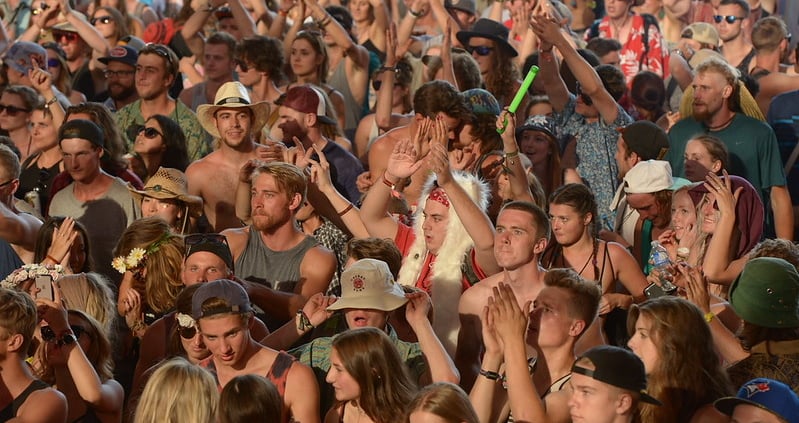 Inspired by Sarah McLachlan’s 1990s concert tour entitled Lilith Fair, Olivia Rodrigo announced the Daisy Chain Fields Music Festival on June 22, 2026, with its debut at the Great Park in Irvine, California, on Aug. 29, 2026. The lineup included a large range of female-led artists, including Rodrigo herself, Doechii, Katseye, Mitski, Chappell Roan, Stevie Nicks and many others.
Organizers planned a total of 14 performances across two stages for this one-day festival. In Rodrigo’s own words, “Daisy Chain Fields features an all-women lineup and 100% of the net proceeds will go to charities dedicated to advancing and advocating for women and girls.” She states that she believes that “joy, community and music can be the drivers of meaningful change,” which is evidenced by the festival’s proceeds going to organizations working to create innovative solutions to help the lives of women and young girls. The festival went on to raise $20 million for its charity partners.
Jhpiego Background
One of these organizations is Jhpiego, a global nonprofit active in more than 30 countries that works to develop health care solutions for women. Founded in 1973 as the Johns Hopkins Program for International Education in Gynecology and Obstetrics, Jhpiego is Johns Hopkins-affiliated and focuses on adolescent health, immunization and disease prevention. Countries that the organization is involved in include Chad, Guatemala and Pakistan. Working through regional hubs, the organization strives to be closely linked to all sorts of communities, learning about the individual needs of different places and building global expertise.
An example of a place where Jhpiego is working is Guatemala, where it has focused on improving quality health programs for vulnerable communities. These communities include Indigenous Mayan populations in the country’s rural areas, where nearly 50% of the total population of Guatemala resides. These citizens live in chronic poverty, unable to access reliable health care services due to government discrimination and societal inequities.
Improving Health Outcomes
Through technical assistance, human papillomavirus (HPV) self-sampling tests, and raising awareness about screwworm, the nonprofit has enabled thousands to improve their health outcomes. A key part of this initiative includes the SUCCESS project, which Ana María Barrios leads — a nurse working with Mayan communities in Guatemala’s Western Highlands. Having delivered more than 10,000 HPV kits in Quetzaltenango alone, this program has significantly helped treat cervical cancer, particularly as Barrios has trained facilitators in all 24 health districts she oversees.
By enabling self-sampling in rural areas, the program empowers Indigenous women to support their own health and improve their quality of life. Additionally, working with Guatemala’s Ministry of Health, Unitaid, and Expertise France, the SUCCESS project has steadily advanced cervical cancer prevention in underserved areas since it began in 2021. Between 2021 and 2024, health workers treated 96% of eligible cases and delivered more than 50,000 HPV tests in total across all 29 health regions.
Conclusion
While Guatemala is just one of the locations that Jhpiego has targeted, the impact on Indigenous women and children in these communities has been significant. Jhpiego is just one of the organizations that Rodrigo’s Daisy Chain Fields Music Festival worked to fund. Additional partners include Black Mamas Matter Alliance, the Johns Hopkins Center for Indigenous Health, the National Domestic Workers Alliance, the National Women’s Law Center and many others. By funding these life-changing initiatives, including Jhpiego, Rodrigo’s music festival has helped improve the health and lives of women throughout the world.
– Niamh Werner
Niamh is based in New York, NY, USA and focuses on Celebs for The Borgen Project.
Photo: Flickr
