8 Facts About COVID-19 in Romania
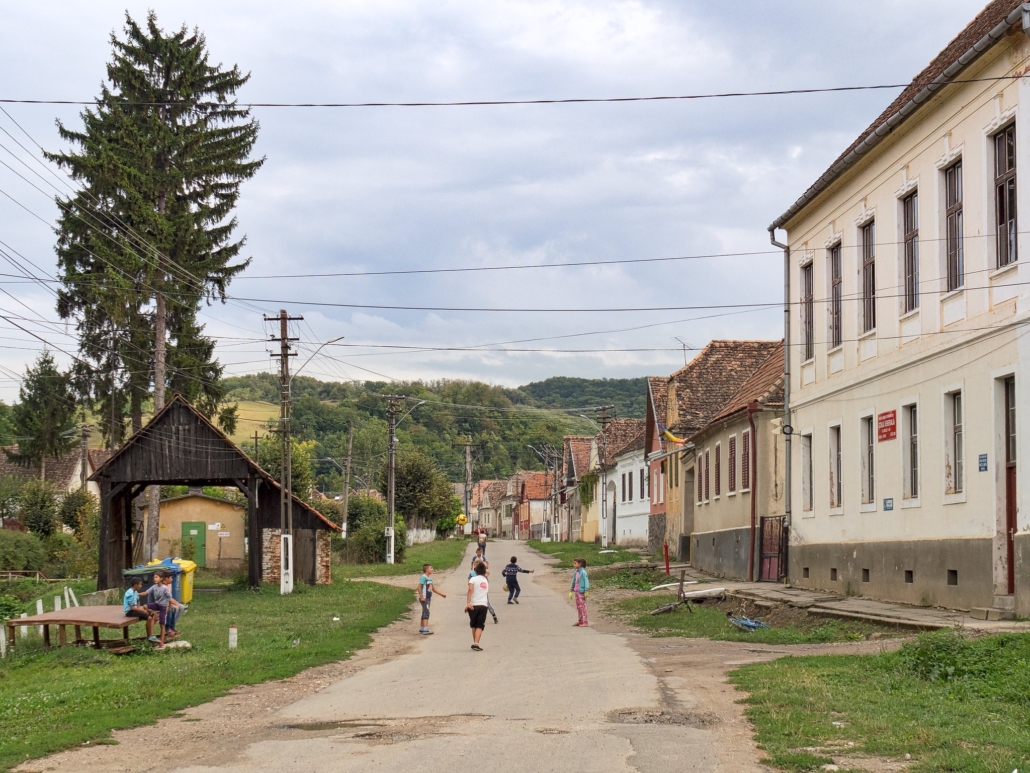
Romania, like the rest of the world, is currently dealing with the global outbreak of the virus, COVID-19. The pandemic has affected health services and the economy, disproportionately affecting the poor populations of Romania. In response to the growing pandemic, the government issued ordinances to prevent the spread of the virus. Here are some facts about how Romania is responding to COVID-19.
8 Facts About COVID-19 in Romania
- Romania issued strict stay-at-home orders. Romania’s government responded quickly to the COVID-19 outbreak. The Romanian government issued an ordinance on March 22, 2020 that requires people to stay at home. They can, however, leave home for essential goods or health care. The Romanian government also established a curfew from 10 p.m. to 6 a.m. These ordinances also closed retail stores and prohibited large gatherings. These orders are all part of Romania’s plan to limit person to person contact during the pandemic.
- Romania enforced travel restrictions for the elderly. The Romanian government also issued another ordinance on March 29, 2020, specifically allowing for those 65 years and older to leave their homes for medical reasons only. It also placed restrictions on certain times of the day. The Romanian government recognizes that this elderly age group needs medical care. The elderly are also a vulnerable age group and need to take further precautions when traveling outside their homes.
- Romania has provided hotel rooms for health care workers. The Romanian government secured hotel rooms for public health care workers. Public health care workers have an increased risk of spreading COVID-19 to family members in their home. The hotel rooms will help these health care workers protect their families. Health care workers can use these rooms in between calls and shifts.
- Utility bills cannot increase. The Romanian government is also ensuring that citizens’ utility bills do not increase due to economic hardships. Given the stay-at-home orders, utility bills could increase due to the increased use of electricity, heat and gas in their homes. However, the Romanian government is trying to prevent economic hardships by prohibiting the increase of utility bills.
- Less than 6% of COVID-19 patients have died. Romania has reported 1,137 deaths out of more than 17,191 COVID-19 cases as of May 19, 2020. Given that some countries have a COVID-19 death rate of 20%, Romania is providing excellent treatment and care for COVID-19 patients.
- Romania has plenty of room for new COVID-19 patients. The Romanian health care system has more than enough beds, currently over 29,000 available, for new COVID-19 patients. Having all the necessary resources is critical during a pandemic. These resources are necessary to treat COVID-19 symptoms and keep death rates down. Romanian health care facilities are currently only using about 750 beds. Romania has more than enough space for new COVID-19 patients.
- COVID-19 has adversely affected poor Roma families. According to UNICEF, the virus significantly impacts low-income families. This is true, especially for one of Romania’s largest minority groups, the Romas. The effects of the virus have created financial problems for many in the Roma community, who are day laborers. The virus also exacerbates many of the difficulties low-income families face, including health care services, access to education and decreased job opportunities.
- Romania established a free health advice hotline. In response to the COVID-19 virus, Romania established a hotline that provides free public health advice. The hotline provides a valid health information source for people who may not have access to the news via the internet or television. Romanians can call the hotline to receive information about COVID-19 tests, mask use and general health information regarding COVID-19.
The Romanian hotline is going to help lower-income communities in Romania, like the Romas. These communities do not have access to medical services or technology, like televisions and computers to receive health care information during the COVID-19 outbreak. The Romanian ordinances, along with the hotline, protect the Romanian people not only from the virus but also the economic issues surrounding a pandemic.
– Kaitlyn Gilbert
Photo: Flickr
